-
E-mail
15208203028@163.com
-
Phone
15208203028
-
Address
Carl Center, No. 388, Section 3, Chenglong Avenue, Longquanyi District, Chengdu City
Sichuan Zhiyan Technology Co., Ltd
Guidelines for Cleaning Requirements and Specifications for High Pressure Experimental Reactors
Date: 2025-09-25Read: 0
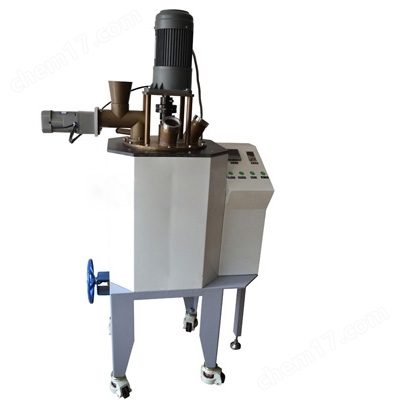
A high-pressure experimental reactor is a precision equipment for conducting high-temperature and high-pressure chemical reactions, and its cleanliness directly affects the accuracy of experimental results, equipment lifespan, and operational safety.A standardized cleaning process can not only effectively remove residues, but also prevent cross contamination and equipment corrosion.
1、 Core cleaning process
The cleaning of high-pressure experimental reactors must follow strict procedures to ensure safety.
1. Preliminary flushing and dissolution: After the reaction is complete, first fill the appropriate reaction solvent into the kettle through the exhaust valve, dissolve and clean most of the residue. This step can initially soften and remove a large amount of attachments.
2. Water injection, stirring and cleaning: After initial flushing, inject an appropriate amount of clean water into the kettle and stir and clean for about 10 minutes. This operation aims to further dilute and remove residual solvents and reactants before opening the kettle lid.
3. Internal and accessory cleaning: After opening the kettle cover, carefully clean all parts that come into contact with the material, such as the inner wall of the kettle body, the kettle cover, and the sampling valve. During the cleaning process, nitrogen can be slightly filled into the kettle with water to help disturb the cleaning solution and remove some oxygen.
4. Long term shutdown and maintenance: If the reaction kettle is temporarily idle, it is recommended to add about 70% volume of anhydrous ethanol to the kettle for soaking and maintenance after cleaning to prevent rusting and contamination. At this time, the screws do not need to be tightened.
2、 Cleaning methods and precautions
According to the nature of pollutants, different cleaning methods can be selected, and safety should always be prioritized.
1. Chemical cleaning method: For stubborn inorganic salt deposits or metal oxides, acid washing can be used, while for organic deposits, alkali washing can be used. During cleaning, it is necessary to strictly control the concentration, temperature, and soaking time of the reagents to avoid corrosion of the kettle material.
2. Physical cleaning method: including high-pressure water gun or steam flushing and manual scrubbing. When using, be careful to avoid scratching the inner wall mirror polishing layer.
3. Safety precautions:
① Before cleaning, it is necessary to confirm that the reaction kettle has been completely cooled, the internal pressure has been reduced to atmospheric pressure, and the power and gas sources have been cut off.
② Operators should wear necessary personal protective equipment, such as goggles, gloves, and protective clothing, to prevent chemical injuries.
③ For kettles that have undergone reactions with flammable, explosive, and toxic media, extra caution should be taken when cleaning. If necessary, they should be cleaned in a fume hood or under good ventilation conditions, and nitrogen can be used for replacement.
④ It is strictly prohibited to operate under overpressure and overtemperature conditions, and the volume of cleaning medium loaded should not exceed 2/3 of the volume of the kettle body.
3、 Establish cleaning standards and records
To ensure the repeatability and traceability of the cleaning effect, it is recommended to establish a standard operating procedure (SOP) and record in detail the key parameters of each cleaning, such as cleaning time, solvents used, abnormal situations, etc. Regularly conduct comprehensive inspections and maintenance of the sealing performance and stirring system of the reaction vessel, and promptly identify and address potential issues.
4、 Conclusion
A standardized high-pressure experimental reactor cleaning process is an important link in ensuring accurate scientific research data, extending equipment life, and ensuring operational safety. By following scientific cleaning procedures, selecting appropriate cleaning methods, and strictly adhering to safety regulations, it is possible to ensure that the reaction vessel is always in the best working condition, providing reliable assurance for subsequent experiments.