-
E-mail
info@auniontech.com
-
Phone
15601689581
-
Address
3rd Floor, Building 6, No. 2007 Hongmei Road, Xuhui District, Shanghai
Shanghai Haoliang Optoelectronic Equipment Co., Ltd
Ultra stable laser and ultra stable cavity technology: from basic to cutting-edge applications
Date: 2025-12-08Read: 0
Ultra stable laser and ultra stable cavity technology: from basic to cutting-edge applications
Introduction
Ultra stable laser is a core tool in the field of precision science, with a frequency stability of up to 10-16 Even higher in magnitude, it is widely used in fields such as atomic clocks, gravitational wave detection, quantum computing, and precision spectroscopy. This article combines the United StatesStable Laser Systems(SLS)And AustraliaLiquid InstrumentsThe company's technical proposal explores the design principles, technological breakthroughs, and experimental progress of ultra stable lasers and cavities, and cites the latest research results and data to provide references for related fields.
1、 Core principles and key technologies of ultra stable lasers
1. Basic architecture of ultra stable laser
Ultra stable lasers are typically composed of a laser source and a reference ultra stable cavity (Fabry Perot)-Pero cavity,FPComposed of a cavity and a feedback control system. Its core lies in locking the laser frequency toFPOn the resonant peak of the cavity, frequency drift is suppressed through active feedback. For example, the Gravity Center of Huazhong University of Science and Technology adoptsPound-Drever-Hall(PDH)Locking scheme, through electro-optic modulator(EOM)Generate sideband signals, combine the phase information of reflected light to generate error signals, and ultimately stabilize the laser frequency at the resonant frequency of the cavity.
2. Design and optimization of ultra stable cavity
FPThe performance of the cavity directly determines the stability of the laser.SLSThe company provides various cavity designs (Table)1), including cylindrical, concave, spherical, and cubic cavities, to meet different application requirements:
-Cylindrical cavity: suitable for line width>50 HzAtomic physics experiments;
-Concave cavity: low thermal noise limit, line width<50 HzAllen's deviationAchievable10-15;
-Spherical cavity: Compact design, low acceleration sensitivity, suitable for mobile scenes.
As shown in the figure below1Display various cavity requirements
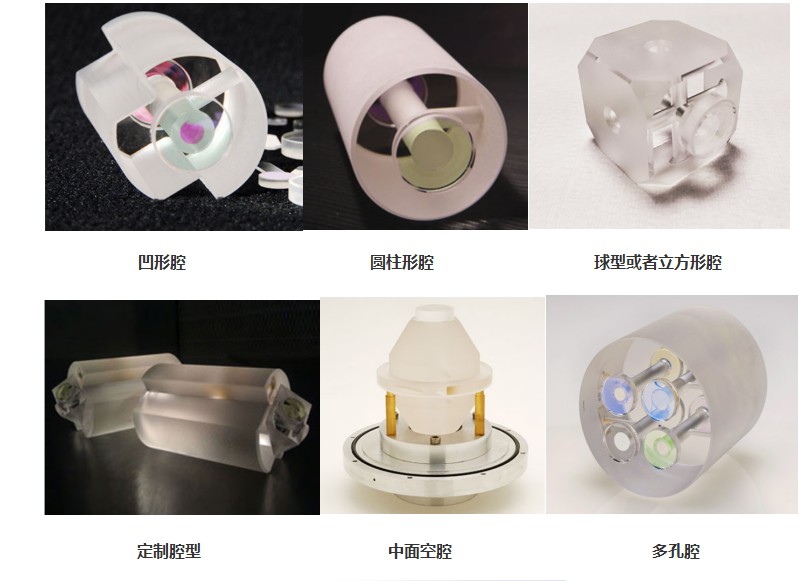
Figure 1 Various cavity types
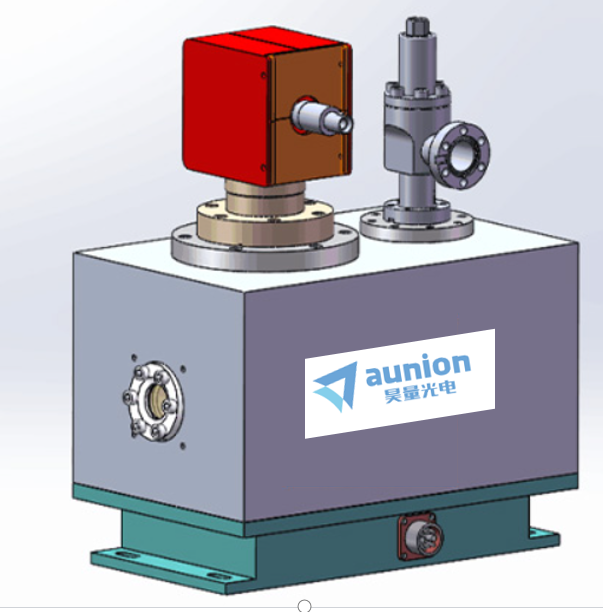
image2 Ultra stable cavity vacuum system (vacuum degree)<10-8BackTemperature control<±0.005℃)
In addition, material selection (such as ultra-low expansion glass)ULE)Further reduce the impact of thermal noise through temperature control technology.
Type of cavity |
Free spectral range(FSR)| |
Typical Applications |
Stability level |
cylindrical |
1.5 GHz |
Atomic clock, spectroscopy |
< 3×10-15 |
concave |
1.5 GHz |
Low frequency drift experiment |
< 1×10-15 |
spherical |
3 GHz |
Portable system |
< 2×10-14 |
table1:SLSFabry's-Pero cavity types and performance
2、 Stable Laser Systems' technology
1. Highly integrated frequency stabilization system
SLSof1HzStable frequency laser system(SLS-INT-1550-200-1)High precisionFPThe cavity, temperature controlled vacuum chamber, and electronic control system are integrated into19Inch chassis, line width<1 HzDay drift<20 kHzPower consumption is only25Wa. Its characteristics include:
One click locking function: Real time monitoring of chamber temperature and vacuum degree through touch screen interface;
Modular design: support1530-1565 nmWavelength customization, output power up to100 mW.
2. Low temperature and vibration suppression technology
SLSConcave cavity in low-temperature environment(14–40°C)Realize thermal noise limit, combined withULEMaterials and active isolation platform enable the system to perform in vibration sensitive scenarios such as gravitational wave detectionExcellent.
3、 Academic research progress and experimental data
1. Domestic research: The ultra stable cavity system of Huazhong University of Science and Technology
developed10 cmcompleteULECavity30 cmComposite cavity, low temperature6 cmSapphire cavity, spaceborne8 cmComposite cavity and other ultra stable cavities(adoptedStable Laser SystemsThe cavity)Multiple sets of ultra stable laser systems have been implemented using analog locking or fully digital locking, as shown in the figure3As shown. Conduct error assessment on the ultra stable laser system, design and complete multiple noise optimization experiments. Currently locked in10 cmcompleteULEThe frequency stability of the laser on the cavity can reach the thermal noise limit of the resonant cavity, which is currently the same type of ultra stable cavity internationallyExcellentLocking level; locked in30 cmThe frequency stability of room temperature composite cavity laser is best achieved1.3×10-16And committed to making it enter10-17magnitude; In low-temperature environments, the thermal noise limit of the optical ultra stable cavity system is further reduced, and it is independently designed and assembled6 cmLow temperature all sapphire cavity, currently achieving the best laser frequency stability1.9×10-16And committed to further reducing the impact of various noises such as vibration and temperature on frequency stability of the system; locked in8 cmThe spaceborne frequency stabilization system with an ultra stable cavity6 mHzThe frequency noise is3.6 Hz/Hz1/2, has already met the Tianqin Plan10 Hz/Hz1/2The requirements. The summary of frequency stability data for four sets of frequency stabilization systems is shown in the figure4shown
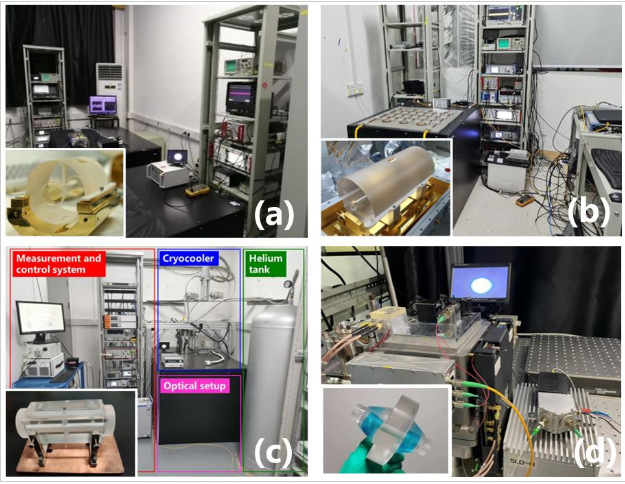
Figure 3: The ultra stable laser system of Huazhong University of Science and Technology. (a) 10 cm full ULE ultra stable cavity system, (b) 30 cm composite ultra stable cavity system, (c) 6 cm low-temperature sapphire ultra stable cavity system, (d) 8 cm spaceborne composite ultra stable cavity system
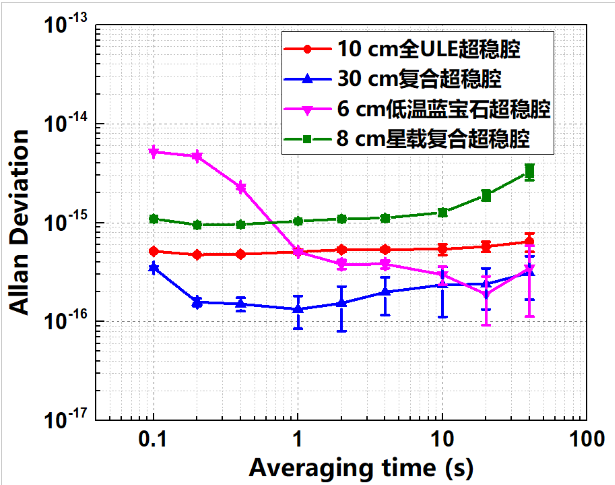
image4 Frequency stability level of various sets of ultra stable laser systems at Huazhong University of Science and Technology
2. International frontiers: Ytterbium ion optical clock and Strontium optical clock
SLSCustomized for Ytterbium Ion Optical Clock817 nmFrequency stabilization system, integrated frequency doubling module, daily drift<15 kHzIn addition, "Metrology Science and Technology"2021Research in [year] shows that ultra stable lasers have achieved sub hertz linewidth in strontium optical clocks, promoting breakthroughs in clock stability10-18Please refer to the following image for the source:
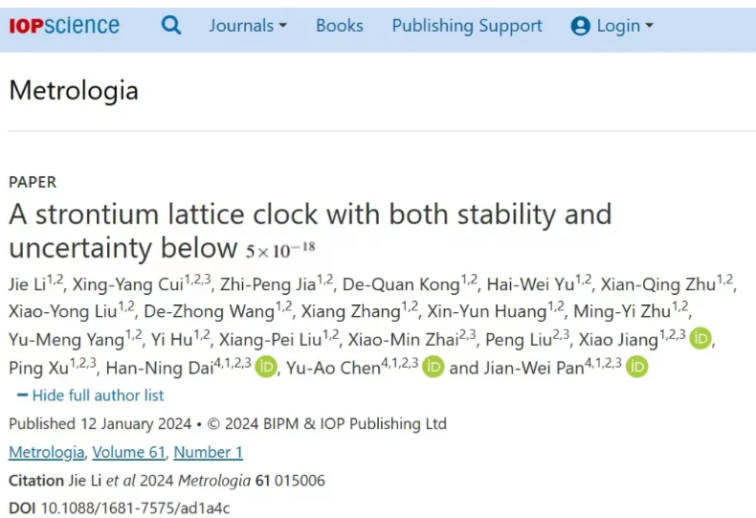
image5 Breakthrough in stability of optical clock 10-18reference article
4AustraliaLiquid InstrumentsCollaborative Innovation
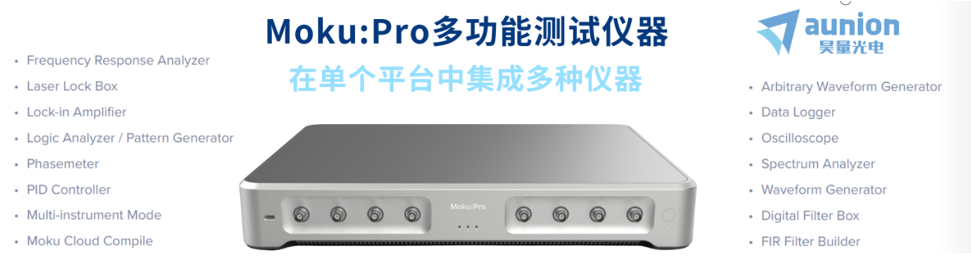

image6 LiquidLaser frequency locking operation interface and equipment characteristics
Liquid InstrumentsAlthough it has not directly produced ultra stable lasers, its high-precision measuring equipment (such as...)MokuSeries lock-in amplifier) andSLSThe system forms complementarity. For example:
Moku:Lab: IntegrationPIDController and spectrum analyzer, can be optimizedPDHLock the loop;
Moku:ProSupport multi-channel feedback, suitable for complex noise suppression scenarios.
As shown in the figure3As shown, although the customer used an ultra stable cavity system, the electrical control and feedback systems are very complex and require a lot of electrical equipment, estimated to be close to10Equipment. However, such a complex system only requires our one devicemoku:proorMoku:DeltaSuch complex signal processing and monitoring can be achieved. As shown in the figure7As shown.
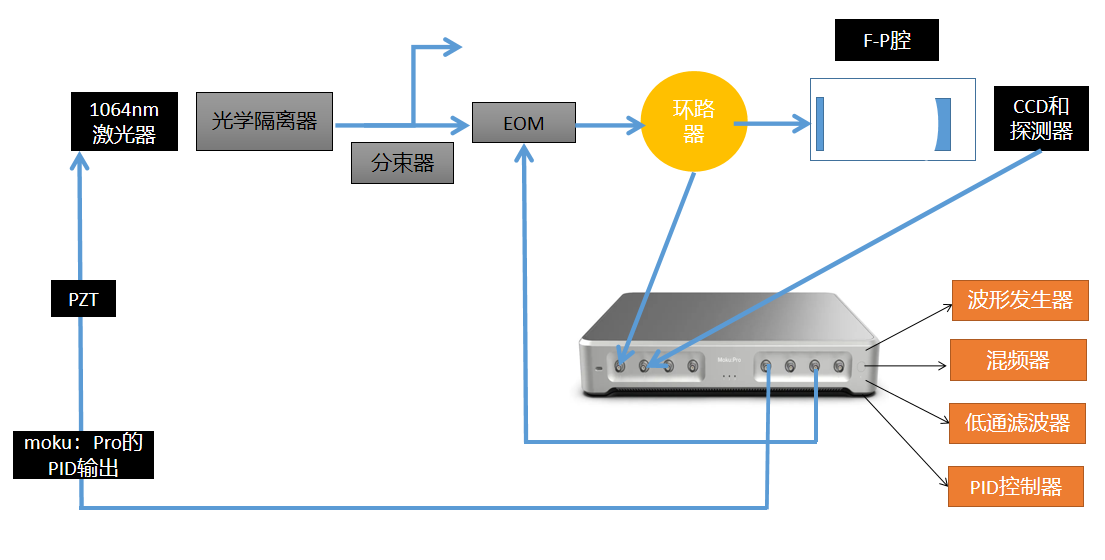
image7 useMokuTo achieve laser frequency locking
Experimental cases demonstrate that, combined withMokuequipment andSLSHyperstable cavityA certain laboratory will shorten the locking time30%Reduce frequency noise to0.8 HzIt can meet the needs of most laboratories.
5、 Challenges and Future Directions
1. Low temperature noise suppression: For example, Huazhong University of Science and Technology is developing a low-temperature sapphire cavity with a target stability of1.9×10-16;
2. Miniaturization and Commercialization:SLSof3HzPortable system(16kg)AndLiquid InstrumentsCompact equipment drives field applications;
3. Multi wavelength integration:SLSThe porous cavity supports multi laser common mode locking and is suitable for ion traps and quantum simulations.
Conclusion
Ultra stable lasers and ultra stable cavity technology are developing towards higher stability, lower power consumption, and a wider range of application scenarios. the United StatesSLSThe systematic solutions and in-depth research in academia are jointly driving progress in fields such as quantum precision measurement and space scienceLiquid InstrumentsThe electronic control technology provided crucial support for this process. In the future, with breakthroughs in materials science and feedback algorithms, ultra stable lasers are expected to become the core pillar of basic physics research and industrial applications.
Regarding Haoliang Optoelectronics:
Shanghai Haoliang Optoelectronic Equipment Co., Ltd. is a professional agent for optoelectronic products, including various types of lasers, optoelectronic modulators, optical measurement equipment, optical components, etc., covering applications such as material processing, optical communication, biomedicine, scientific research, national defense, quantum optics, biological microscopy, IoT sensing, laser manufacturing, etc; We can provide customers with complete equipment installation, training, hardware development, software development, system integration and other services.