-
E-mail
info@systec-lab.com.cn
-
Phone
15601635108
-
Address
Room D1-201, No. 6000 Shenzhuan Road, Songjiang District, Shanghai
Sai Strontium Titanium Krypton (Shanghai) Trading Co., Ltd
Beginner's must read: First time operation guide for fully automatic high-pressure sterilization pot
Date: 2025-11-21Read: 0
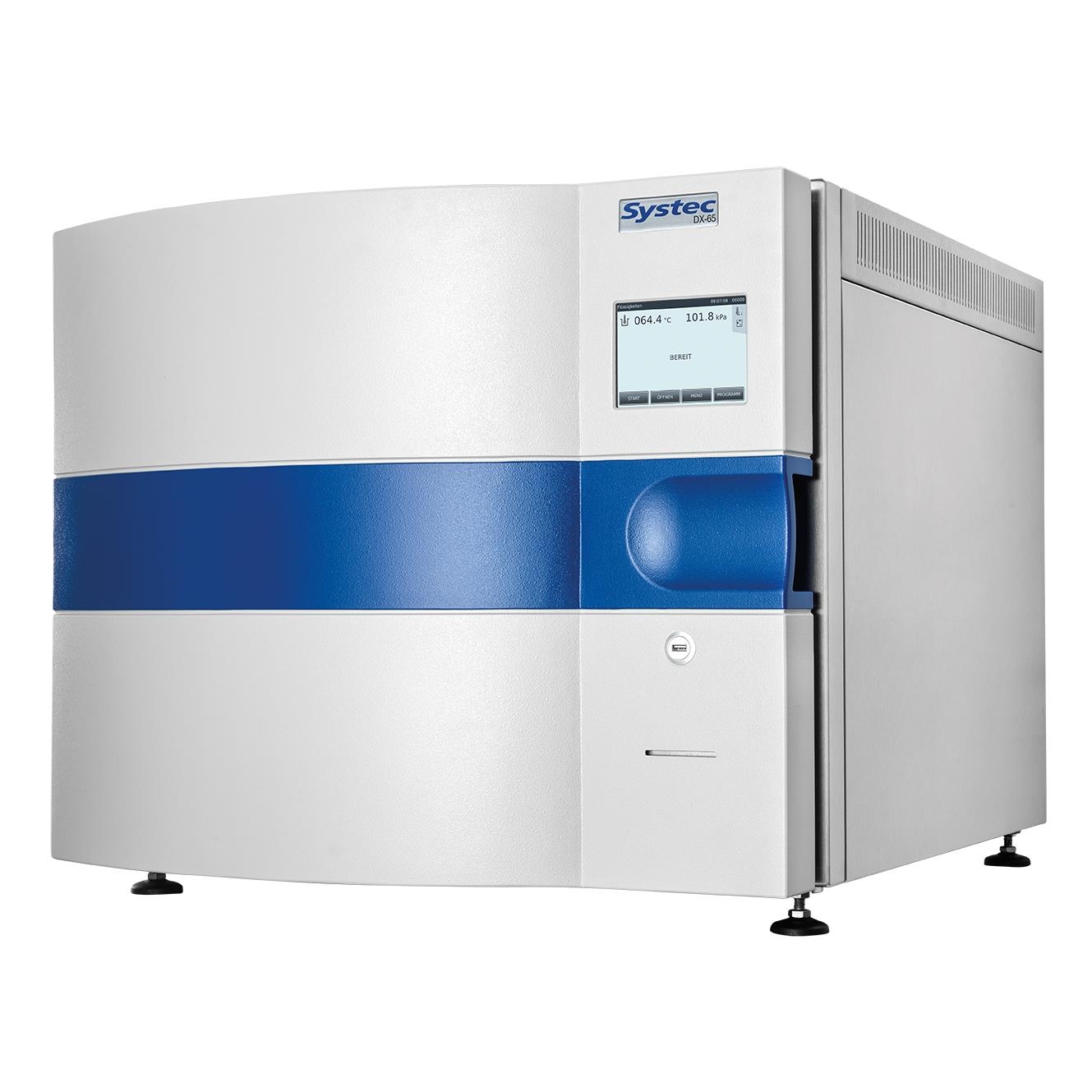
First useFully automatic high-pressure sterilization potMany beginners often experience alarms, wet bags, and even equipment damage due to improper operation. This article provides a concise and practical "seven step guide for first use" to help you safely and efficiently embark on your sterilization journey.
Step 1: Open box inspection and installation
Confirm that the equipment has no transportation damage and is placed on a well ventilated, dry, and load-bearing tabletop, with a reserved heat dissipation space of ≥ 30cm. Connect a dedicated grounding power supply (do not use a power strip), inject deionized water to the water level line (do not use tap water to prevent scaling).
Step 2: No load operation test
Before initial use, it is necessary to perform an "empty pot sterilization" (121 ℃, 15 minutes) to remove manufacturing residual odors and verify system sealing. This process can also activate the heating element, improving subsequent stability.
Step 3: Familiarize yourself with the control panel
Understand common options such as "rapid sterilization", "liquid mode", "fabric program", etc. Pay attention to distinguishing the positions of the "Start", "Pause", and "Emergency Stop" buttons to avoid accidental operation.
Step 4: Standardize the loading of items
There should be gaps in the placement of items, and liquid bottles should not exceed 2/3 of their capacity and have loose lids. Parcel items should be placed vertically without stacking. It is strictly prohibited to sterilize flammable, explosive, strong acid and alkali substances.
Step 5: Select the appropriate program and start it
For example, for sterilizing surgical instruments, select the "134 ℃, 5 minutes, vacuum drying" program; The sterilization medium should be selected as "121 ℃, 20 minutes, natural cooling". Start after confirming that all doors are closed.
Step 6: Wait for completion and safely retrieve the item
After the program ends, wait for the pressure to zero and the temperature to drop below 80 ℃ before opening the door. When opening the door, avoid sideways to prevent steam burns. Clean the condensation water in the chamber promptly after removing the item.
Step 7: Developing Daily Maintenance Habits
Wipe the inner cavity after each use, clean the water tank and drainage filter screen weekly, and check the elasticity of the door seal ring monthly. Establish usage logs for easy tracking and maintenance.
Following the above steps not only ensures personal safety, but also allows for full utilizationFully automatic high-pressure sterilization potPerformance advantages. Remember: Standardized operation is an important prerequisite for efficient sterilization.