-
E-mail
info@systec-lab.com.cn
-
Phone
15601635108
-
Address
Room D1-201, No. 6000 Shenzhuan Road, Songjiang District, Shanghai
Sai Strontium Titanium Krypton (Shanghai) Trading Co., Ltd
Replacement cycle and maintenance points of exhaust filter sterilizer filter element
Date: 2025-11-14Read: 0
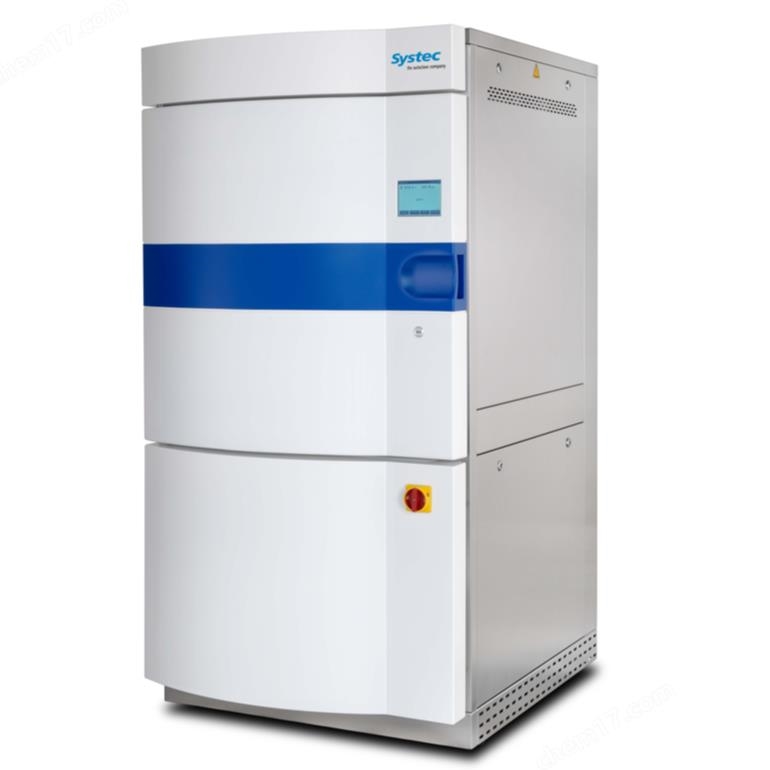
Exhaust filter sterilizerPlaying the role of the "last line of defense" in biosafety laboratories, its core lies in intercepting potential pathogenic aerosols emitted during the sterilization process through high-efficiency filters (HEPA/ULPA). As a key consumable, the replacement cycle and maintenance quality of the filter element are directly related to the overall protective efficiency of the machine.
There is no absolute standard for replacement cycle, but the following principles are usually followed:
It is recommended to replace the HEPA filter every 12-18 months during regular use (≤ 5 times per week) and when handling non high risk samples;
If the handling of BSL-2 and above level pathogens is frequent, or if the sterilization object contains a large amount of organic aerosols, it should be shortened to 6-12 months;
More importantly, based on the integrity test results, DOP/PAO leak detection should be performed before and after each replacement. If the penetration rate is greater than 0.01%, it should be replaced immediately even if the cycle has not yet arrived.
In terms of maintenance points, three points should be noted:
Moisture protection: The filter element must not come into contact with condensed water. After the sterilization process is completed, it should be ensured that the chamber is fully dried before exhaust. Some models are equipped with a "hot air blowing" function to effectively extend the life of the filter element.
Correct installation: When replacing, be sure to install in the direction of the arrow, ensure that the sealing ring is not twisted, and tighten the buckle to prevent bypass leakage.
Record management: Establish a filter cartridge usage file to record installation dates, frequency of use, and test results for easy traceability and auditing.
In addition, do not clean or reuse disposable filter cartridges by yourself. Poor quality substitutes may have excessive pore size, leading to filtration failure and posing serious biosafety risks.
In short,Exhaust filter sterilizerThe protective ability highly depends on the status of the filter element. Only by strictly implementing replacement cycles and standardizing maintenance operations can we ensure the dual safety of laboratory personnel and the environment.