-
E-mail
info@systec-lab.com.cn
-
Phone
15601635108
-
Address
Room D1-201, No. 6000 Shenzhuan Road, Songjiang District, Shanghai
Sai Strontium Titanium Krypton (Shanghai) Trading Co., Ltd
Complete Guide to Thermal Distribution and Thermal Penetration Testing of Pulsating Vacuum Sterilizer
Date: 2025-12-12Read: 0
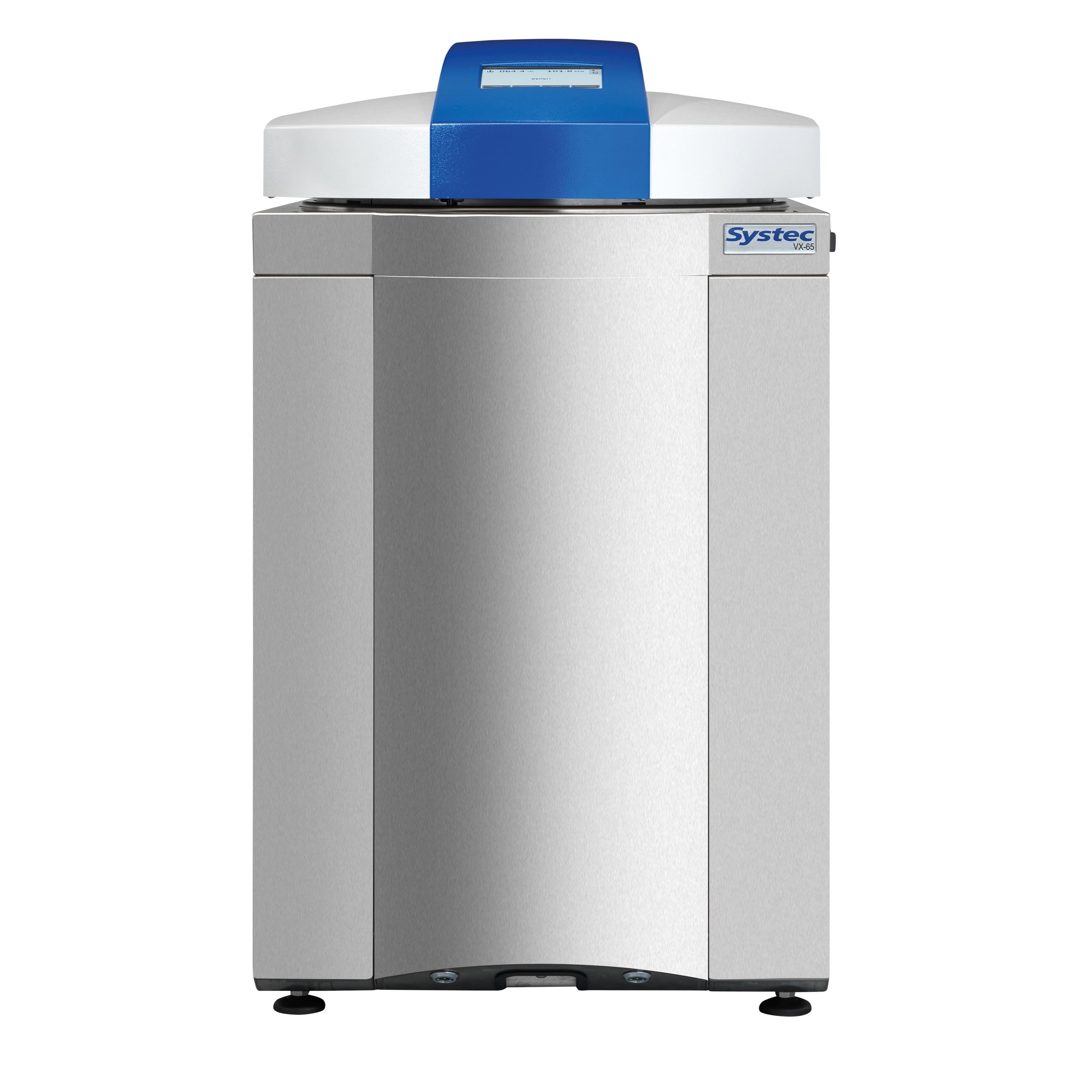
Pulse vacuum sterilizerThrough multiple vacuum pumping and steam cycles, air is efficiently removed to achieve sterilization of porous and tubular objects with saturated steam. To demonstrate its reliable performance, it is necessary to complete thermal distribution testing (chamber temperature uniformity) and thermal penetration testing (the ability of the product to reach sterilization conditions internally).
The thermal distribution test is divided into two states: no-load and full load. Use at least 10-16 calibrated thermocouples to cover every corner, center, upper and lower shelves, and near drainage outlets of the sterilization room. Run the standard program (such as 134 ℃, 3 minutes) to confirm that all temperature fluctuations at all points are ≤ ± 0.5 ℃ and there are no sustained low temperature areas. This stage is used to identify the "cold spots" of the device itself.
The thermal penetration test is conducted under simulated actual loads. Insert thermocouples into product units that are difficult to sterilize, such as the center of longer conduits or larger volume liquid bottles, and monitor their temperature rise curves. Key indicators include:
Time to reach the set temperature (lag time);
Whether the cold point F ₀ value meets the standard (usually ≥ 15 for medical devices);
Temperature stability during the sterilization maintenance phase.
Special attention: The placement of the load greatly affects steam penetration. Excessive stacking of items should be avoided to ensure free circulation of steam. At the same time, each test requires the simultaneous placement of a biological indicator (such as Geobacillus stearothermophilus) at the cold spot location for microbial challenge validation.
The test data should form a complete report, including point plot, temperature curve, F ₀ calculation and conclusion, as an important basis for equipment revalidation and FDA/EMA inspection. Regularly (usually annually) repeat testing to ensure long-term process robustness.