-
E-mail
530615044@qq.com
-
Phone
18804317875
-
Address
Sunshine Xintiandi Building
Huaxia Anjian IoT Technology (Qingdao) Co., Ltd
Working principle and technological innovation of online water quality traceability instrument
Date: 2025-11-13Read: 0
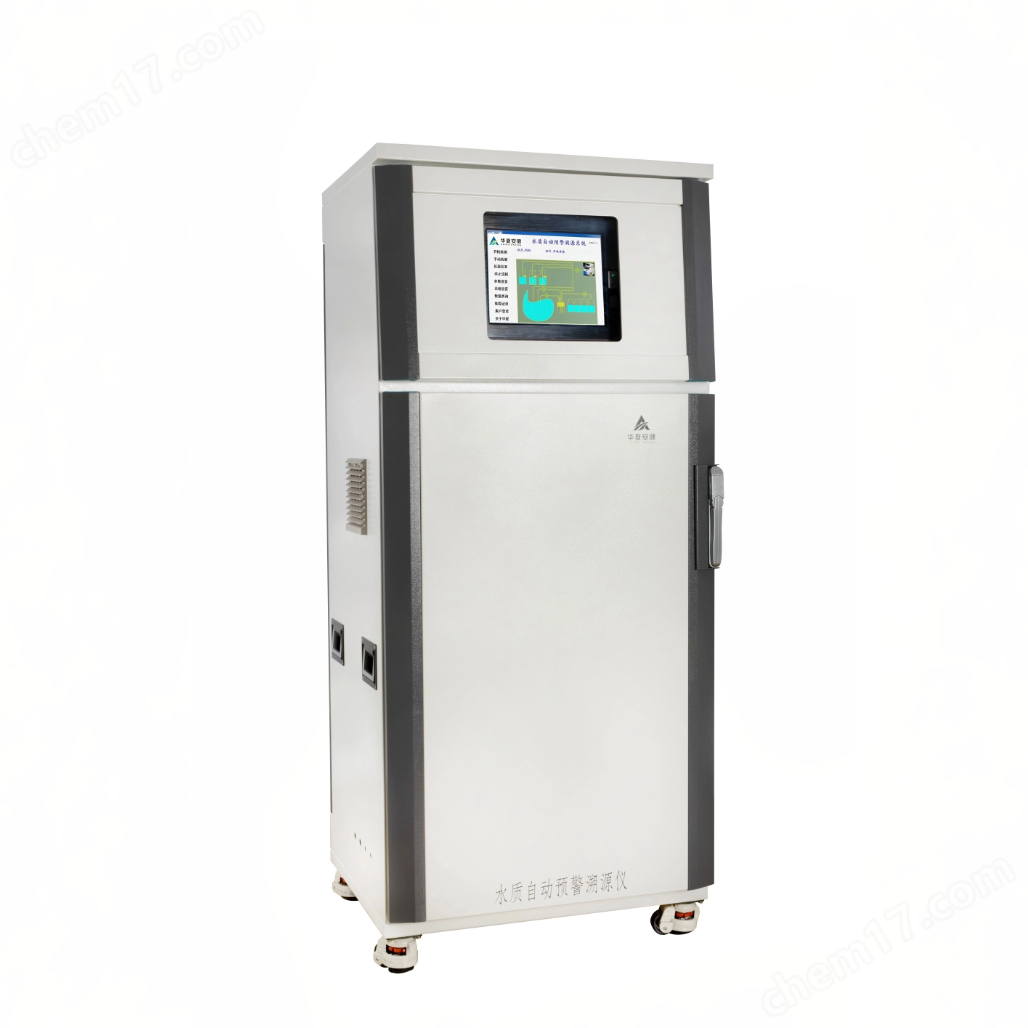
With the increasingly serious problem of water pollution, water quality traceability has become an important research topic in the field of environmental protection. The online water quality traceability instrument, as a real-time monitoring tool for water quality and tracing pollution sources, is widely used for monitoring industrial wastewater, urban water bodies, and environmental water bodies. Its core function is to quickly identify the source of pollutants through online detection of water quality changes, providing scientific basis for water quality management. This article will introduce its working principle and technological innovation.
1、 Working principle
Online water quality traceability instrumentMainly through real-time monitoring of pollutants in water, combined with data analysis techniques, to identify pollution sources. Its working principle usually includes the following steps:
1. Water quality sampling and sensor detection
Usually set at water bodies or discharge outlets, water samples are collected in real-time through sensors. These sensors are capable of detecting various physical, chemical, and biological indicators in water, such as temperature pH、 Dissolved oxygen, turbidity, heavy metal concentration, organic pollutants, etc. There are various types of water quality sensors, including optical sensors, ion selective electrodes, chemical sensors, etc. Sensors obtain real-time water quality information through technical principles such as spectroscopy, electrochemical reactions, and mass spectrometry analysis.
2. Data transmission and remote monitoring
The collected data is converted into electrical signals through sensors and transmitted to the central control system. It usually has wireless transmission and remote monitoring functions, and data can be transmitted to the cloud or monitoring platform through wireless networks, Bluetooth, Internet of Things (IoT) technology, and other means. Monitoring personnel can obtain real-time water quality data, detect pollution changes in the water body in a timely manner, and adjust monitoring strategies as needed.
3. Identification of Pollution Sources and Data Analysis
By combining big data analysis, machine learning and other technologies, multi-dimensional water quality data can be analyzed and compared to identify possible locations of pollution sources. By tracking the spatiotemporal changes in water quality and combining historical data, it is possible to determine the type and intensity of pollution sources. Usually, it is also possible to connect with data from environmental monitoring stations and conduct traceability analysis through regional water quality monitoring networks.
2、 Technological innovation
With the continuous advancement of technology, the performance of online water quality traceability instruments has been significantly improved. Here are several main directions for technological innovation:
1. Innovation in Sensor Technology
Sensors are its core components, and their technological innovation directly affects the performance of instruments. With the application of nanotechnology, microelectromechanical systems (MEMS), fiber optic sensors, and other technologies, water quality sensors have significantly improved in sensitivity, selectivity, and stability. For example, sensors based on nanomaterials can more accurately capture trace pollutants in water, especially some difficult to detect organic pollutants and heavy metals, greatly improving the accuracy of water quality monitoring.
2. Multi parameter integration and multimodal detection
By integrating multiple sensing technologies and analysis methods, multiple water quality parameters can be monitored simultaneously, improving the accuracy of traceability. For example, by combining multimodal technologies such as spectroscopy, mass spectrometry, and electrochemical sensing, it is possible to comprehensively detect organic pollutants, inorganic pollutants, and microorganisms in water quality, thereby providing more comprehensive water quality data. In addition, multi parameter monitoring of instruments can also reduce the impact of complex interference factors in the environment on detection results.
3. Big Data and Artificial Intelligence (AI) Technology
Combining big data analysis and artificial intelligence technology can enhance the intelligence level of pollution source tracing. By analyzing a large amount of historical monitoring data and real-time water quality data, artificial intelligence algorithms can quickly identify potential trends in pollution sources and predict the probability of pollution events. The introduction of machine learning technology enables it to self optimize and continuously improve its sensitivity and recognition accuracy to different water quality changes. In addition, big data technology can help analyze the pollution characteristics of different water bodies and provide more accurate pollution source localization.
As an important tool for modern water quality monitoring, online water quality traceability instruments have gradually developed into multifunctional, high-precision, and highly intelligent systems. By continuously innovating sensor technology, big data processing capabilities, and intelligent analysis algorithms, it is possible to monitor water quality changes in real time, accurately trace pollution sources, and help environmental management personnel and relevant decision-makers quickly respond to water pollution issues.