-
E-mail
530615044@qq.com
-
Phone
18804317875
-
Address
Sunshine Xintiandi Building
Huaxia Anjian IoT Technology (Qingdao) Co., Ltd
Performance evaluation and accuracy improvement of domestic water quality traceability instrument
Date: 2025-11-10Read: 0
With the gradual increase of environmental awareness and the increasingly severe problem of water pollution, water quality monitoring and pollution source tracing have become important issues in environmental protection. As an important water quality monitoring tool, domestic water quality traceability instruments have been widely used in various water quality monitoring work due to their low cost and increasingly improved performance. To ensure its effectiveness in practical applications, it is particularly important to evaluate its performance and improve its accuracy.
1、 Performance evaluation
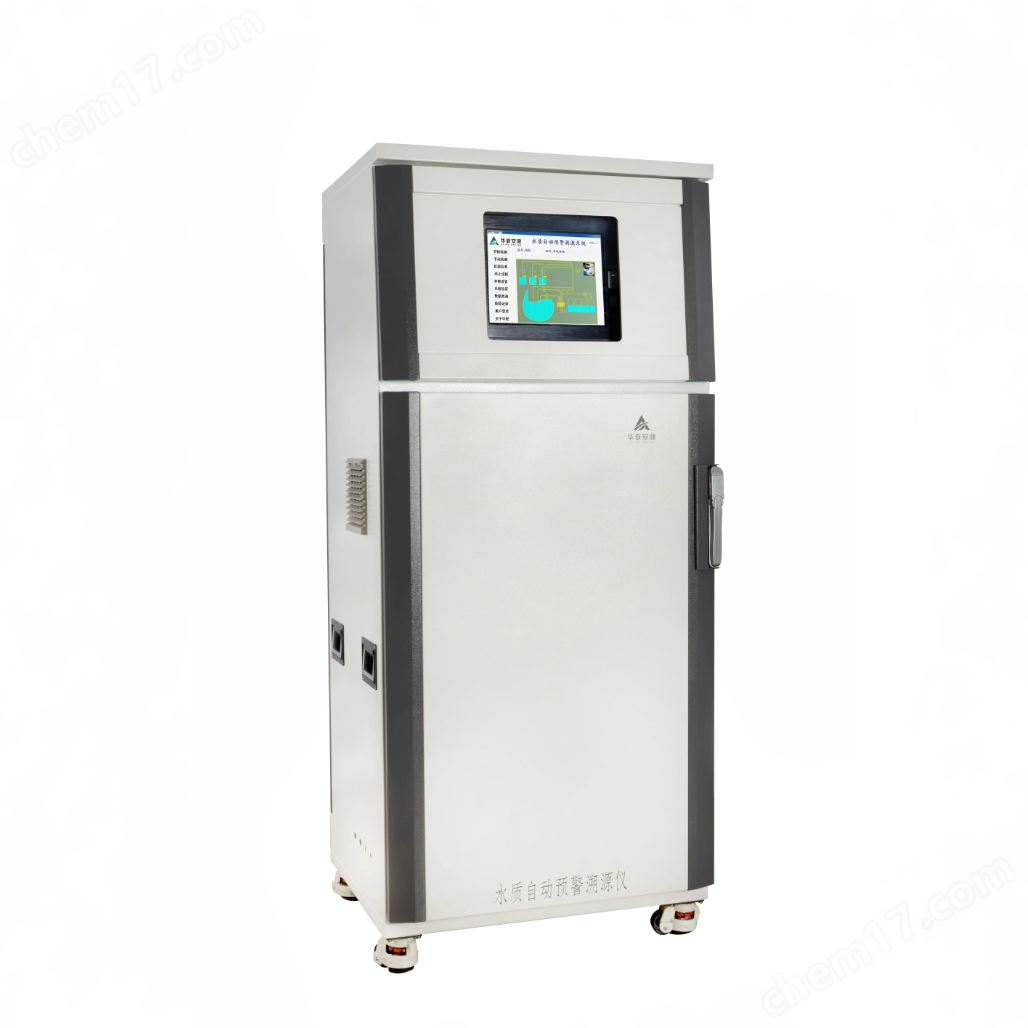
Domestic water quality traceability instrumentThe performance evaluation mainly involves aspects such as detection accuracy, stability, sensitivity, and response time.
1. Detection accuracy
Detection accuracy is one of the core performance indicators. By analyzing the pollutant components in the water sample, provide a basis for tracing the source of pollution. Its accuracy directly affects the judgment and treatment decisions of pollution sources. It usually uses standard substances for calibration in this regard and combines multiple analytical techniques to ensure the accuracy of measurement results. When evaluating, the error range can be checked by conducting comparative experiments with known pollution sources.
2. Sensitivity and response time
Sensitivity and response time are key factors affecting its effectiveness in field applications. The concentration of water pollutants may vary in different locations and times, especially when the concentration of pollutants in the water is low, requiring high sensitivity to accurately detect the presence of trace pollutants. At the same time, the short response time requires a quick response and timely provision of pollution detection results.
3. Stability and repeatability
Stability and repeatability are another important dimension for evaluating its long-term reliability. Stable performance should be maintained during long-term use to avoid data bias caused by long-term operation. Therefore, when evaluating, it is necessary to test the consistency of the results after multiple tests of the same water sample.
2、 Accuracy improvement
1. Optimize sensor technology
Sensors are one of its core components, and their performance directly determines the detection accuracy of the instrument. Although the sensor technology of domestic water quality traceability instruments has made significant progress, there is still room for improvement. For example, by introducing more advanced sensor materials such as nanomaterials, fiber optic sensors, etc., the detection sensitivity of low concentration pollutants can be improved, and the influence of interference factors on the results can be reduced.
2. Multi technology integration
A single detection technology may not be able to meet the monitoring needs in complex water quality environments. To improve accuracy, various analytical techniques can be combined, such as spectroscopy, mass spectrometry, ion chromatography, etc. This multi technology fusion approach can effectively compensate for the shortcomings of a single technology in certain water quality indicators and enhance the comprehensive detection capability of instruments. For example, combining spectroscopy and mass spectrometry can more accurately analyze trace organic pollutants and heavy metals in water.
3. Artificial Intelligence and Big Data Analysis
With the continuous development of artificial intelligence (AI) technology, the combination of AI and big data provides a new way to improve accuracy. By introducing machine learning and data mining techniques, it is possible to optimize detection algorithms based on analyzing large amounts of water quality data, automatically identify potential pollution sources in water samples, and improve the accuracy of traceability. In addition, big data technology can also help establish more accurate pollution source models, thereby improving the overall accuracy of water quality monitoring.
4. Real time calibration and automatic correction
To ensure accuracy during long-term use, real-time calibration and automatic correction mechanisms can be introduced. Regular calibration of standard substances, combined with the built-in automatic calibration system, can effectively reduce errors caused by drift. In addition, the measurement parameters can be automatically adjusted by detecting external environmental factors such as temperature, humidity, etc., to ensure the accuracy of the test results.
As an important tool in the field of water quality monitoring, domestic water quality traceability instruments play a crucial role in water pollution prevention and control. Through a comprehensive evaluation of its performance, the advantages and disadvantages of the instrument in practical applications can be identified. Through technological innovation and optimization, such as improving sensor performance, integrating multiple detection technologies, and introducing artificial intelligence, its accuracy will be significantly improved.