-
E-mail
530615044@qq.com
-
Phone
18804317875
-
Address
Sunshine Xintiandi Building
Huaxia Anjian IoT Technology (Qingdao) Co., Ltd
Data analysis and warning function of algae monitoring system
Date: 2025-11-16Read: 0
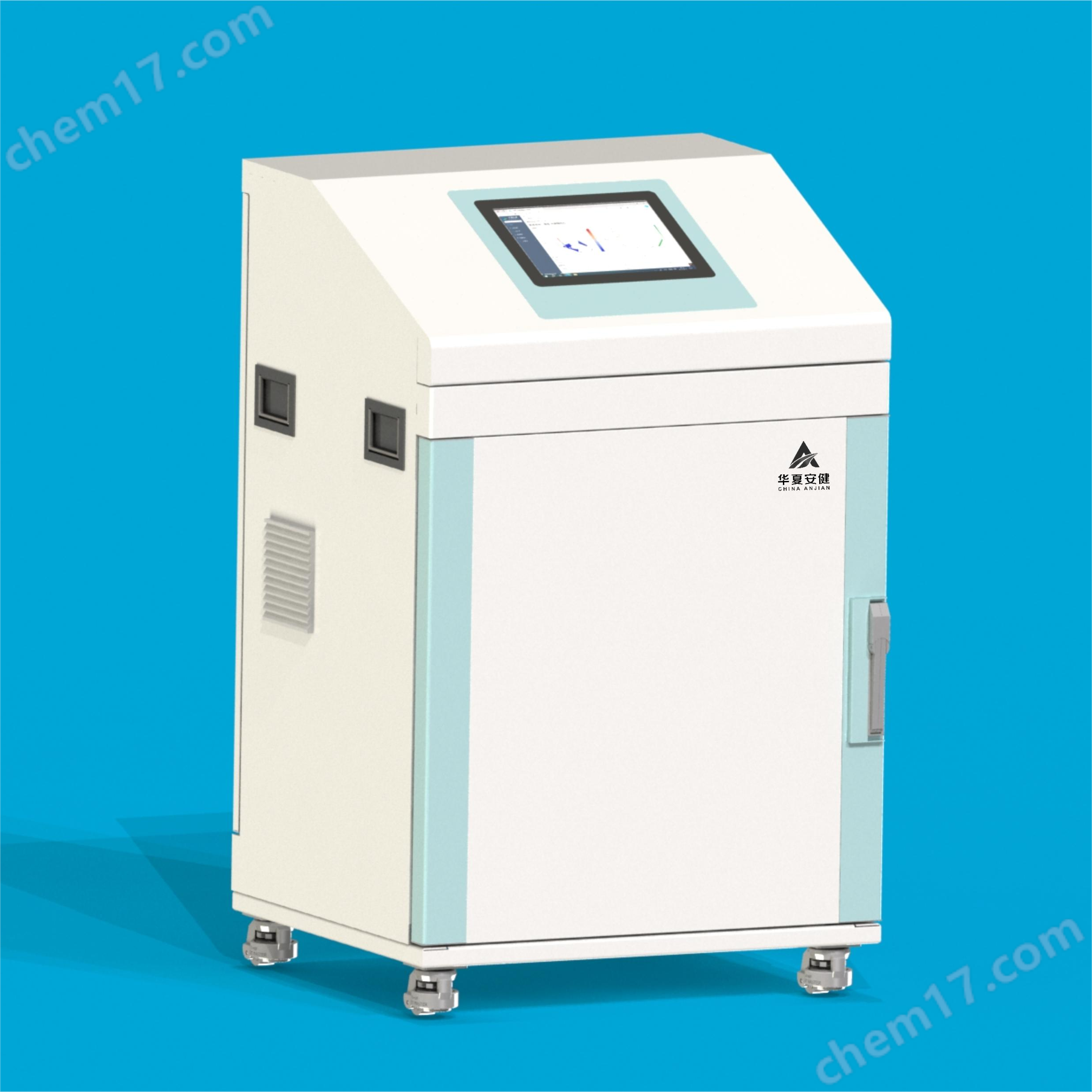
With the intensification of eutrophication in water bodies, algal blooms have become a serious problem of water pollution worldwide. Algal blooms not only affect water quality and lead to water pollution, but may also pose a threat to the ecological environment and human health. Therefore,Algae monitoring systemThe role of water quality management is becoming increasingly important. It combines data analysis and warning functions to monitor the growth status of algae in real time, predict the occurrence of algal blooms, and provide scientific basis for water quality protection and treatment.
1、 Data analysis
The core function of an algae monitoring system is to monitor in real-time the types, quantities, and distribution of algae in water bodies. This system typically relies on various sensing technologies, such as spectroscopy, fluorescence, image analysis, and microscopic observation, to collect algae data in water bodies. The following are several main methods for monitoring algae:
1. Spectral analysis method: Spectral sensors can detect the absorption characteristics of algae at different wavelengths by detecting changes in reflected and transmitted light. The pigments of different algae have different spectral characteristics, and the system uses these characteristics to estimate the concentration of algae in water. By analyzing spectral data, the number and distribution of algae in water can be detected in real-time.
2. Fluorescence method: By detecting the fluorescence signal emitted by algal pigments under specific excitation light through a fluorescence sensor, the biomass of algae in water can be accurately estimated. Fluorescent sensors have high sensitivity for monitoring certain harmful algae, especially blue-green algae, red tide and other algae, and can provide real-time data support for water quality management.
3. Image analysis method: With the development of image processing technology, dynamic monitoring of algae in water can be achieved by capturing images of the water surface with high-definition cameras and combining them with image analysis algorithms. This method can provide more intuitive information about algae by analyzing the distribution of algal communities in water surface images, especially suitable for monitoring and identifying algal blooms.
2、 Warning function
The algae monitoring system can not only provide real-time monitoring data, but also provide decision support for water quality control by analyzing historical data, meteorological data, and water characteristics, combined with warning models, to predict the occurrence of algal blooms in advance. The occurrence of algal blooms is often related to multiple factors, including environmental variables such as water temperature, light, nutrient concentration, water flow rate, pH value, etc. By combining data analysis with warning models, the following functions can be achieved:
1. Prediction of algal bloom occurrence
The occurrence of algal blooms is usually influenced by factors such as excess nutrients, rising temperatures, and meteorological changes. By collecting and analyzing various parameters in the water body, combined with machine learning and prediction algorithms, it is possible to identify potential risk areas and times for algal blooms in advance. For example, certain algae can rapidly reproduce at specific temperatures, and by monitoring temperature changes in real-time, the outbreak trend of algal blooms can be predicted in advance.
2. Dynamic risk assessment
Dynamic risk assessment can also be conducted based on changes in algal populations and water quality in the water body. For example, when the algae density in a certain water body approaches a certain threshold, the system will evaluate the potential risks of algal blooms through data analysis and issue warning signals. By establishing a risk level model, it can provide managers with varying degrees of risk assessment to help them take timely response measures.
3. Automated warning and alert functions
Based on real-time data analysis, alarm thresholds can be automatically set and alerts can be triggered when anomalies are detected. For example, when the concentration of algae exceeds the set threshold, the system will automatically issue an alarm to notify relevant departments. By connecting with the water quality management platform, management personnel can receive real-time alarm information and take measures such as water quality control or pollution source control based on the alarm.
The application of algae monitoring systems is of great significance for water quality protection, especially in predicting and warning of harmful algal blooms. With the continuous advancement of technology, it will become more intelligent and precise, providing stronger support for the governance of water environment and water quality protection.