-
E-mail
530615044@qq.com
-
Phone
18804317875
-
Address
Sunshine Xintiandi Building
Huaxia Anjian IoT Technology (Qingdao) Co., Ltd
Principle and Performance Analysis of Automatic Water Quality Early Warning Tracer
Date: 2025-12-08Read: 0
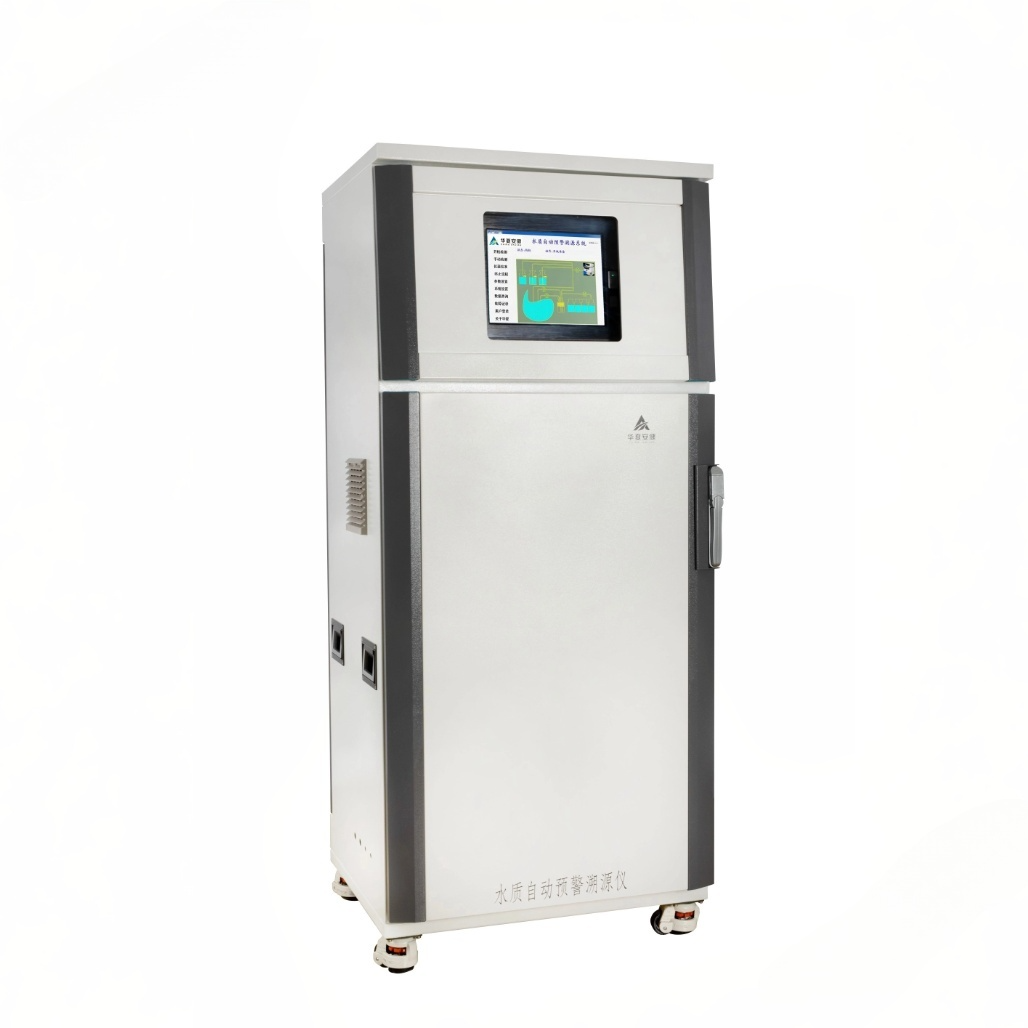
The automatic water quality warning traceability device is a key equipment used in modern environmental monitoring technology for water quality monitoring and pollution traceability. It automatically collects and analyzes water quality data through real-time monitoring of water bodies, issues timely warnings when abnormal water quality is detected, and helps analyze the specific location of pollution sources through traceability functions. This instrument is widely used in water pollution control, environmental protection, urban water source management and other fields, playing an important role in ensuring water health and ecological balance.
1、 Basic principles
1. Real time water quality monitoring
Automatic water quality warning traceability deviceRelying on advanced sensing technology, real-time monitoring of various key water quality parameters in water bodies can be achieved. These water quality parameters include but are not limited to dissolved oxygen, pH value, temperature, turbidity, chemical oxygen demand, ammonia nitrogen, nitrate nitrogen, total phosphorus, etc. Sensors directly contact water bodies to obtain real-time water quality data, and transmit the data to a data processing system for analysis and storage.
2. Data collection and analysis:
Usually equipped with multiple high-precision sensors, these sensors can automatically collect data at predetermined time intervals. The collected data not only includes basic indicators of water quality, but also evaluates the comprehensive pollution status of water bodies through multi parameter analysis. Through real-time analysis of collected data, the system can identify water quality anomalies and quickly determine whether they exceed the safe range.
3. Warning system
One of its core functions is to issue warning signals when water quality is abnormal. This warning function is based on pre-set water quality standards. When the system detects an abnormal water quality parameter, it automatically compares it with the warning value. If water quality parameters are found to exceed the prescribed safety range, the system will trigger an alarm mechanism and notify relevant personnel in real time through sound and light alarms, text messages, emails, and other means. At the same time, abnormal data can also be recorded for subsequent analysis and investigation.
4. Pollution source traceability function
The traceability function plays a crucial role in water pollution. It combines water flow monitoring data, geographic information systems, and pollutant diffusion models to analyze the distribution and flow trajectory of pollutants, helping to determine the specific location of pollution sources. This process usually involves the comparison of time series data and the integration of multi-point data, which can track the path of pollution sources and the concentration changes of pollutants, providing accurate basis for environmental governance and pollution control.
2、 Performance analysis
1. High precision and real-time performance
The performance of the automatic water quality warning traceability instrument is first reflected in its high-precision data collection and analysis capabilities. Due to the influence of various factors on the changes in water quality data, sensors are required to have high sensitivity and stability. It adopts multi-point and multi parameter sensor integration technology, which can simultaneously monitor multiple key indicators in water quality, thus achieving comprehensive monitoring of water quality status. Real time performance is also one of its important features, which can collect and analyze data in minutes or even seconds to ensure that pollution problems can be detected in the first time.
2. Pollution traceability capability
The traceability function is of great significance in water quality monitoring. It can accurately locate the pollution source through the flow trajectory and diffusion path of pollutants, and even determine the source time, type, and concentration of pollutants. By combining with GIS systems, it is possible to track pollution sources in different water bodies and at different time points, and help environmental management departments develop scientific governance plans.
3. Automation and Intelligence
Another major advantage is its high degree of automation and intelligence. It can also independently collect, process, analyze, and alert data without the need for manual intervention. This feature not only improves work efficiency, but also reduces the interference of human errors. The intelligent data analysis and warning system can automatically adjust monitoring standards based on the water quality characteristics of different water bodies, achieving personalized warning settings. In addition, with the development of artificial intelligence and big data technology, more accurate predictions and optimization suggestions can gradually be achieved.
4. Multi functional and adaptable
It has multifunctionality and can adapt to different environments and needs. For example, it can not only be applied to the monitoring of natural water bodies such as lakes, rivers, and reservoirs, but also widely used for the detection of industrial wastewater, drinking water, and other water sources. Its functions include but are not limited to water quality warning, pollution source location, environmental monitoring, data analysis, and report generation, which can meet the water quality monitoring needs of different fields and scenarios.
The automatic water quality warning traceability instrument has become an important tool in water quality management due to its precise monitoring, real-time data analysis, intelligent warning mechanism, and powerful pollution traceability function. It can not only timely detect water pollution problems, but also help quickly locate pollution sources, providing scientific basis for environmental protection and water quality control.