-
E-mail
ethan@lab-tester.com
-
Phone
13926824844
-
Address
Room 601, Building 2, R&D Building, Lihe Zijing Science and Technology Innovation Center, No. 55 Qinghu East Road, Qingxi Town, Dongguan City, Guangdong Province
Dongguan Hongtu Instrument Co., Ltd
Full analysis of safety helmet testing methods: a key link in safeguarding life safety
Date: 2025-09-29Read: 0
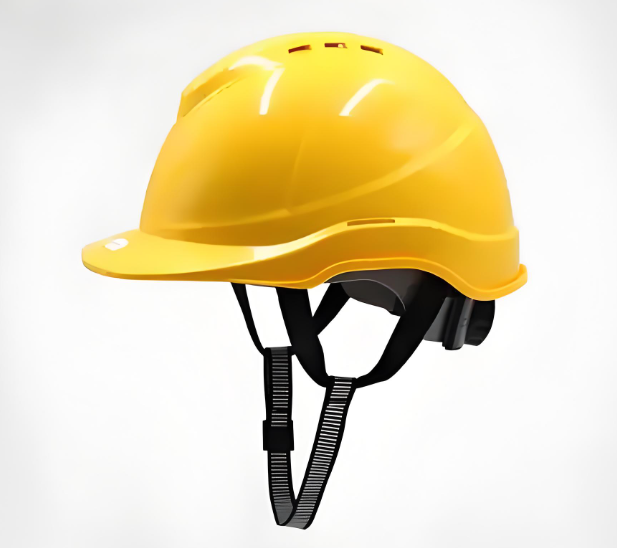
Safety helmets are used in high-risk scenarios such as industrial production, construction, and electrical operationsEssential Personal Protective Equipment (PPE)Its core purpose is to effectively buffer impact force, resist sharp object punctures, reduce head injuries, and ensure the safety of users in case of accidents. However, a qualified safety helmet is not judged solely by its appearance, and its protective performance must be verified through rigorous testing. This article will provide a detailed breakdown of the testing methods for safety helmets, leading you to understand how the "invisible defense line" that safeguards safety is constructed.
1. Preparation before safety helmet testing
Before conducting formal testing, it is necessary to make basic preparations to ensure that the testing environment, samples, and equipment meet the standard requirements and avoid external factors affecting the accuracy of the results.
Selection and pretreatment of test samples
Sample QuantityAccording to national standards (such as GB 2811-2019 "Head Protection Helmet"), each test must selectAt least 5 topsThe same model and batch of safety helmets ensure that the samples are representative.
Preprocessing conditionsSome tests need to simulate the environmental impact of safety helmets in actual use and require pre-processing. Common conditions include:
High temperature pretreatmentPlace the sample in a constant temperature chamber at (50 ± 2) ℃ for (4 ± 0.5) hours to simulate a high temperature environment in summer;
Low temperature pretreatmentPlace the sample at (-10 ± 2) ℃(-20±2)℃The(-30±2)℃Place it in a low-temperature chamber for (4 ± 0.5) hours to simulate a low-temperature environment in winter;
Immersion pretreatmentImmerse the sample in water at (23 ± 2) ℃ for (24 ± 1) hours, simulating rainy or humid conditions.
Testing equipment and environmental requirements
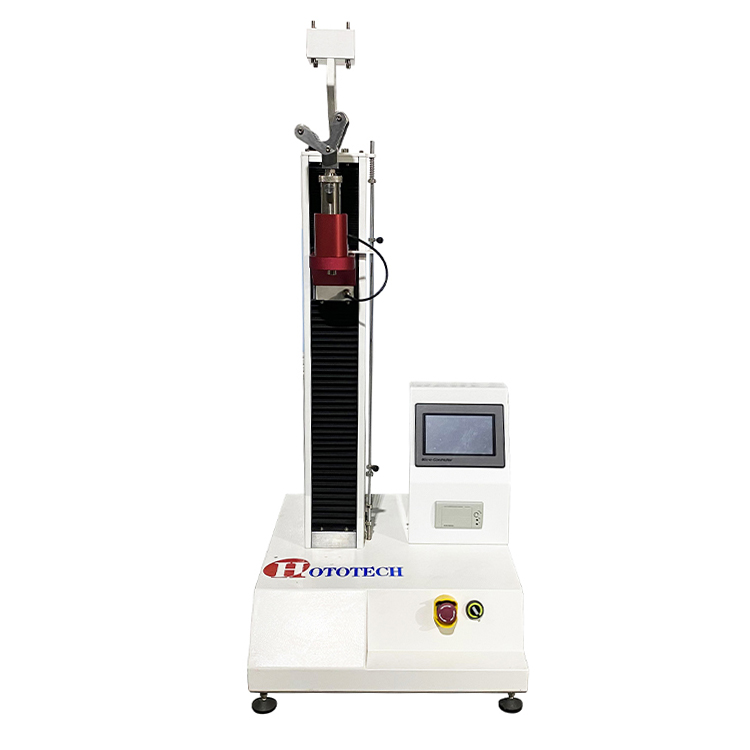
core equipment: Need to prepareImpact testing machine、Puncture testing machine、Mandibular Band Strength Testing DeviceProfessional equipment is required, and the equipment needs to be regularly calibrated with accuracy in accordance with standard regulations.
Environmental RequirementsThe temperature of the testing environment should be controlled at (23 ± 5) ℃, with a relative humidity of (50 ± 20)%, to avoid interference factors such as strong light and vibration.
2. Core performance testing method for safety helmets
The protective performance of safety helmets is mainly verified through key tests such as impact absorption performance, puncture performance, and chin strap strength, which directly determine the protective effect of safety helmets in dangerous scenarios.
Impact absorption performance test
This test simulates the protective ability of a safety helmet when it is hit by a blunt object, with the core being to detect the impact on the headMaximum impact forceIs it within the safe range.
Test steps:
Wear the preprocessed safety helmet on the standard head mold, and install a force sensor inside the head mold;
Adjust the mass (usually 5kg) and drop height (1m) of the impact hammer to allow it to fall freely and hit the top or side of the safety helmet;
Record the impact force data collected by the sensor, with a duration of no less than 6ms.
Qualification StandardAccording to GB 2811-2019, the maximum impact on the headThe stress should not exceed 4900 N,During the impact process, the safety helmet must not break or fall off.

Puncture performance test
This test simulates the penetration ability of sharp objects (such as steel bars and gravel) when they hit a safety helmet, preventing direct contact with the head.
Test steps:
Similarly, the safety helmet should be worn on the standard head mold, and the surface of the head mold should be covered with a conductive layer (for detecting punctures);
Using a 3kg puncture cone (cone tip hardness HR45), freely fall from a height of 1000mm and puncture the top or side of the safety helmet;
Observe whether the puncture cone penetrates the safety helmet and detect whether it is in contact with the head mold through the conductive layer.
Qualification Standard:The steel cone shall not touch the surface of the head mold, and there shall be no fragments falling off the cap shell.
Mandibular Band Strength Test
The chin strap is a crucial component for securing a safety helmet. If its strength is insufficient, the helmet may come loose and lose its protective function in the event of an accidental impact.
Test steps:
Wear a sample that has undergone high-temperature puncture on the head mold normally:
Tighten the cap and thread the chin strap through the two axis systems of the artificial chin:
Load at a speed of 150 N/min ± 10N/min to 150N, and record the position of the bracket:
Apply a continuous load at a speed of 20 N/min ± 2N/min until the chin strap breaks or relaxes, and record the maximum force value.
Qualification Standard:The force value when the chin strap is damaged should be between 150N and 250 N.
Other auxiliary performance tests
In addition to core performance, some scenarios also require testing of the safety helmetlow-temperature resistance、flame resistanceWait:
low-temperature resistanceAfter low-temperature pretreatment, the safety helmet needs to undergo repeated impact and puncture tests, and its performance must still meet the qualified standards;
flame resistanceThe ignition time should not exceed 5 seconds, and the cap shell should not burn through.
3. Determination and application of test results
After the test is completed, the results need to be comprehensively judged according to the standards to ensure that each factory safety helmet meets the safety requirements.
Result judgment rules
Single item qualifiedEach test item (impact, puncture, mandibular band strength, etc.) must be individually qualified. If any of them fails, the batch of samples must be resampled for testing;
Batch qualifiedAfter resampling, if all test items of all samples are qualified, the batch of safety helmets is judged to be qualified; If there are still non-conforming items, the batch of products needs toRework or scrap all items.
The practical significance of test results
Strict testing not only meets the requirements of national standards, but also directly relates to the safety of users' lives. For example, in construction, if the safety helmet fails the impact test and the worker's head is hit by a falling object, the impact force may exceed 4900N, which may lead to serious consequences such as skull fractures and brain injuries; A qualified safety helmet can cushion the impact force to a safe range, significantly reducing the risk of injury.
How to choose a safety helmet that has passed formal testing?
For ordinary consumers or corporate procurement personnel, after understanding the testing methods, they can determine whether the safety helmet is qualified through the following methods:
View identificationQualified safety helmets must be labeledNational standard number (such as GB 2811-2019)Be cautious when selecting products without identification or with unclear identification, such as manufacturer, production date, product model, etc;
Check appearanceThe surface of the safety helmet should be smooth without cracks or bubbles, the chin strap should be undamaged, and the buckle should be secure;
Request for testing reportRequest the third-party inspection report of this batch of safety helmets from the supplier to confirm that key items such as impact and puncture are qualified.
The testing method of safety helmets is the core link to ensure their protective performance. From sample pretreatment to core performance testing, every step must strictly follow the standards to ensure that safety helmets truly play a "protective shield" role in dangerous scenarios. Both production enterprises and users should attach great importance to the testing and quality of safety helmets to ensure that safety protection is implemented effectively.