-
E-mail
841475174@qq.com
-
Phone
13921008373
-
Address
No. 29 Jinhu Road, Jintan District, Changzhou City, Jiangsu Province
Changzhou Dingxin Experimental Instrument Co., Ltd
Briefly describe the periodic maintenance methods for powerful constant speed electric mixers
Date: 2025-12-15Read: 1
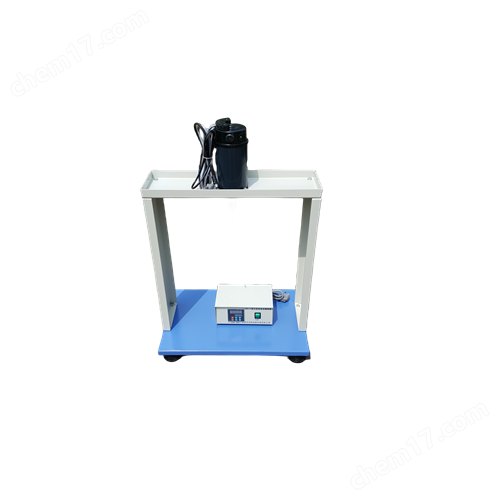
The powerful constant speed electric mixer is widely used in fields such as chemical synthesis, biopharmaceuticals, material dispersion, and laboratory research and development. With high torque, stepless speed regulation, and long-term stable operation ability, it has become a powerful assistant for processing high viscosity and large capacity samples. However, its core components are susceptible to wear, contamination, or aging under high-frequency and high load operation. Only through systematic and periodic maintenance of the powerful constant speed electric mixer can its constant speed accuracy, long-lasting power, extended service life, and guaranteed experimental safety be ensured.
1、 Daily cleaning
After each use, immediately turn off the power and remove the mixing blade. Dip a soft cloth in neutral detergent to wipe the surface of the motor housing, speed control knob, and bracket. It is strictly forbidden to rinse the body directly with water or solvents to prevent infiltration into the internal circuit. The residue of the stirring blade and container should be cleaned appropriately according to the properties of the medium (acid, alkali, organic solvent) to avoid corrosion or crystal adhesion. For high viscosity materials, it is recommended to use a scraper to remove them before cleaning.
2、 Lubrication of transmission system
The motor output shaft and gearbox (if any) are key to power transmission. Check the lubrication status of the transmission parts every 3-6 months: if it is a closed maintenance free structure, no refueling is required; If it is a maintainable type, high-temperature lithium based grease or factory specified lubricating oil should be added, and the amount should be sufficient to fill 1/2-2/3 of the bearing chamber. Excessive lubrication can cause heating, while insufficient lubrication can accelerate wear.
3、 Motor and carbon brush inspection (brushed motor models)
Some equipment uses carbon brush motors, and it is necessary to regularly (every 500 hours of operation) open the back cover to check the length of the carbon brush. When the carbon brush wears down to less than 1/3 of its original length or sparks are too large or the speed is unstable, the same type of carbon brush should be replaced in a timely manner, and the carbon on the surface of the commutator should be cleaned. Although brushless motors are maintenance free, it is still necessary to check whether the cooling fan is blocked.
4、 Maintenance of fixtures and lifting mechanisms
The mixing blade clamp, universal joint, and lifting rod are prone to loosening or rusting under long-term stress. Check the fastening screws for looseness every month, and apply a small amount of silicone grease to the lifting guide rail to keep it smooth. If the clamping is not firm or the lifting is stuck, it should be disassembled, cleaned, and replaced with worn gaskets.
5、 Electrical and Safety Protection
Regularly check whether the insulation layer of the power cord is aging and whether the plug is loose; Test whether the grounding is reliable. Store in a dry, non corrosive gas environment and avoid direct sunlight. When not in use for a long time, it is recommended to run the motor with no load for 10 minutes every month to prevent it from getting damp.