- Phone
-
Address
West Development Zone, Dacheng County, Langfang City, Hebei Province
Product Categories
Langfang Xinhong Sealing Materials Co., Ltd


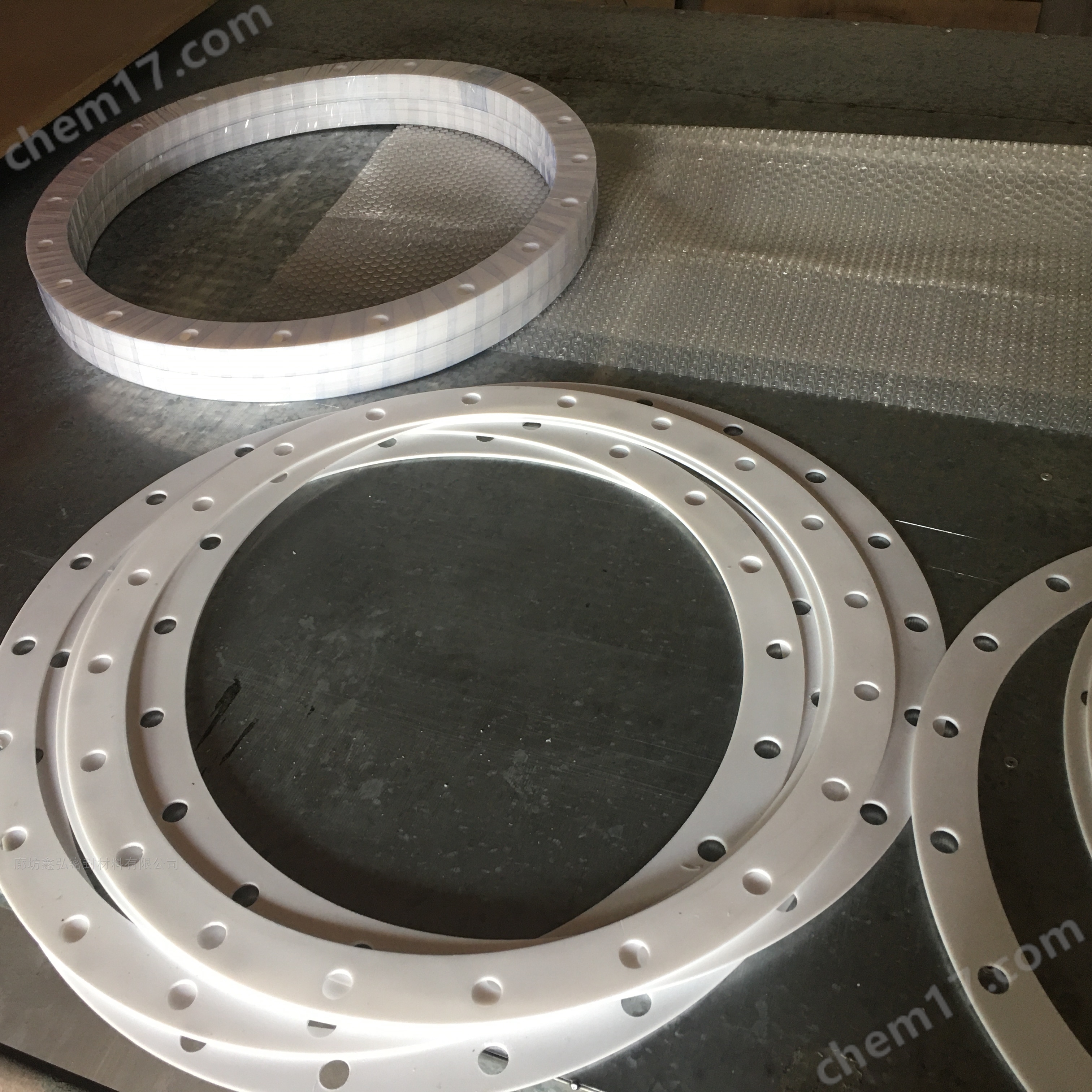
Wholesale manufacturer of modified PTFE gaskets and PTFE sealing gaskets
NegotiableUpdate on 05/06
- Model
- Nature of the Manufacturer
- Producers
- Product Category
- Place of Origin
Overview
Modified PTFE gasket PTFE sealing gasket wholesale manufacturer PTFE gasket is corrosion-resistant and high-temperature resistant, but has low mechanical strength. Modified PTFE gasket improves performance by reinforcing materials and is suitable for high-pressure environments. When making a choice, it is necessary to weigh the cost and operational requirements to ensure stable operation of the equipment.
Product Details
Wholesale manufacturer of modified PTFE gaskets and PTFE sealing gasketsPTFE gaskets are corrosion-resistant and heat-resistant, but have low mechanical strength. Modified PTFE gaskets enhance performance by reinforcing materials and are suitable for high-pressure environments. When making a choice, it is necessary to weigh the cost and operational requirements to ensure stable operation of the equipment. The selection of sealing materials is crucial for the normal operation of equipment in the industrial and engineering fields. PTFE gaskets and modified PTFE gaskets are two commonly used sealing materials, which have certain differences in performance and application. This article will explore in detail the characteristics, advantages and disadvantages, and applicable scenarios of these two types of gaskets to help readers better understand the differences between them.
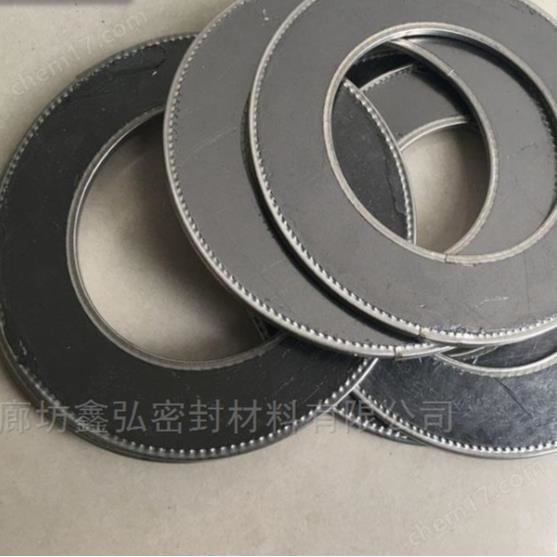
Wholesale manufacturer of modified PTFE gaskets and PTFE sealing gasketsLet's take a look at the PTFE gasket. PTFE gaskets are mainly made of polytetrafluoroethylene (PTFE), which is a material with excellent corrosion resistance and high temperature resistance. The main advantages of PTFE gaskets include: 1. Chemical resistance: PTFE has resistance to almost all chemicals, especially acids, bases, and solvents. This has made PTFE gaskets widely used in industries such as chemical and petroleum.2. High temperature resistance: PTFE gaskets can operate at higher temperatures, typically within a temperature range of -200 ° C to+260 ° C. This makes its performance stable in high temperature environments. 3. Low friction coefficient: The friction coefficient of PTFE is very low, which can effectively reduce wear and prolong the service life of equipment. However, there are also some shortcomings: 1. Low mechanical strength: Pure PTFE has relatively low mechanical strength and is prone to deformation, especially in high-pressure environments. 2. Easy to climb: In some cases, PTFE materials may experience climbing, leading to seal failure. Next is the modified PTFE gasket. Modified PTFE gaskets are based on traditional PTFE gaskets, and their performance is enhanced by adding other materials or improving manufacturing processes. The characteristics of modified PTFE gaskets include: 1. Enhanced mechanical properties: By adding glass fiber, carbon fiber, or other reinforcing materials, the mechanical strength of modified PTFE gaskets is significantly improved, which can better withstand high-pressure environments. 2. Improved sealing performance: Modified PTFE gaskets typically outperform pure PTFE gaskets in terms of sealing performance, especially exhibiting greater stability under high temperature and pressure conditions. 3. Creep resistance: The formula of modified PTFE gasket has been optimized to effectively reduce climbing phenomenon and improve the reliability of sealing. Although modified PTFE gaskets have improved performance, there are also some limitations: 1. High cost: Due to the addition of other materials, the production cost of modified PTFE gaskets is relatively high, which may affect their use in some cost sensitive applications. 2. Relative decrease in chemical resistance: Although modified PTFE gaskets still have good chemical resistance, certain added components may affect their resistance to specific chemicals, so attention should be paid when selecting. In practical applications, the selection of PTFE gaskets and modified PTFE gaskets should be based on specific working environments and requirements. For example, in some low-pressure and low-temperature environments, pure PTFE gaskets may be sufficient to meet sealing requirements. In situations where high temperature, high pressure, or sealing performance is required, modified PTFE gaskets are more suitable. In addition to these two types of gaskets, there are many other types of sealing materials on the market, such as rubber gaskets, graphite gaskets, etc. Each material has its specific advantages and disadvantages. For example, rubber gaskets have good elasticity and sealing properties, but poor temperature and chemical resistance, making them suitable for medium to low temperature and low pressure applications. Graphite gaskets are suitable for high-temperature environments, but may corrode in certain chemical media. Overall, PTFE gaskets and modified PTFE gaskets have their own advantages in sealing performance, chemical resistance, and high temperature resistance. Choosing the appropriate sealing material requires comprehensive consideration of various factors such as working environment, cost, and performance requirements. By comparing the characteristics of these two types of gaskets, users can better make choices that meet their needs, thereby ensuring the safe and stable operation of the equipment. I hope this article can provide valuable information for readers and help them make informed decisions on the selection of sealing materials.
Similar Product Recommend