-
E-mail
info@np17.cn
-
Phone
15802289629
-
Address
10th Floor, Door 1, Building 3, No.1 Huading New Area, No.2 Haitai Innovation Sixth Road, Huayuan Industrial Park (Outer Ring Road), Binhai New Area, Tianjin
Product Categories
Tianjin Nengpu Technology Co., Ltd

Thermogravimetric Infrared Spectrometer Combined System
NegotiableUpdate on 01/08
- Model
- Nature of the Manufacturer
- Producers
- Product Category
- Place of Origin
Overview
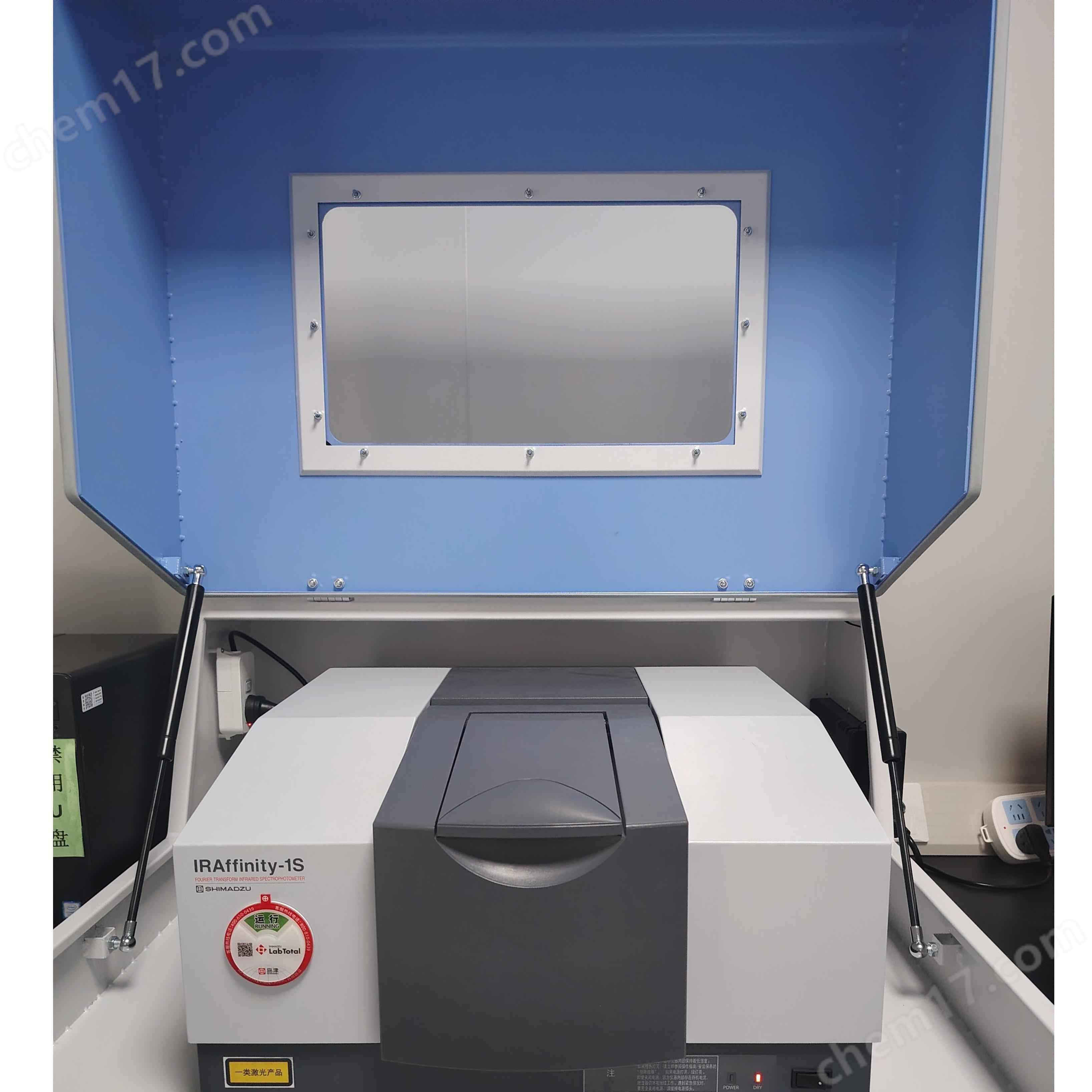
The Thermogravimetric Infrared Spectrometer Combined System (TGA-FTIR) is an instrument that combines thermogravimetric analysis (TGA) and infrared spectroscopy (FTIR) techniques. It can simultaneously monitor the mass changes of samples during heating and the chemical composition of released gases, providing key data for material thermal decomposition mechanism, reaction kinetics, and component analysis.
Product Details
1、 Main functions:
Thermogravimetric Infrared Spectrometer Combined System(TGA-FTIR)It is an instrument that combines thermogravimetric analysis (TGA) and infrared spectroscopy (FTIR) techniques, which can simultaneously monitor the mass changes of samples during heating and the chemical composition of released gases, providing key data for material thermal decomposition mechanism, reaction kinetics, and component analysis.
IIThermogravimetric Infrared Spectrometer Combined System(TGA-FTIR)instrumentfeature:
uThis instrument mainly measures the physical and chemical changes of substances related to heat, such as the melting point, melting heat, crystallization and crystallization heat, phase change reaction heat, thermal stability, glass transition temperature, adsorption and desorption, analysis of component content, decomposition, combination, dehydration, additives and other changes for research.
uTemperature control method: using dualPID temperature control, achieving cyclic step control of rise, fall, and constant temperature.
udisplay mode7-inch color Chinese character large screen LCD display, real-time display of instrument status and data, two sets of temperature measuring thermocouples, one set of thermocouples displays furnace temperature in real time (regardless of whether the heating furnace is working), and the other set of thermocouples displays sample temperature, gas flow rate, and real-time data during operation.
uThe software has a horizontal axis that can select temperature or time as a ruler; The vertical axis is optional Choose absolute weight or percentage as the ruler; can be completedTG, DTG, DTA, DSC and other conventional data processing, equipped with a 64 bit core workstation processor.
uHeating furnace body, mechanical balance, atmosphere control system, circuit control system, achieve integrated design, the host comes with its own7-inch large color LCD display screen. Implement automated collection and analysis. The body shell is heat-resistant, flame-retardant, non-conductive, corrosion-resistant, and resistant to electromagnetic interference
3、 Test case(Analyze unknown aqueous samples
Perform thermogravimetric analysis under programmed temperature control to raise the temperature of the sample at the set rate. The gas generated by the decomposition of the sample during thermogravimetric analysis is transferred to the gas cell of the infrared spectrometer, which can have a heating zero gravity effect and features automatic identification, low capacity, and high density. The infrared spectrometer continuously analyzes the gas emitted from the thermogravimetric analyzer at different temperatures, collecting data at intervals of approximatelyCollect a series of spectra every 8 seconds, and analyze these spectra to obtain relevant gas composition information.
IIIInstrument connection and parameter setting
Our company can provide a complete set of mature integrated solutions, effectively transferring heat and weight through the use of dedicated transmission pipelines -Connect the infrared instrument. Take a portion of the processed sample (e.g. 20 milligrams) and place it in a thermogravimetric analyzer connected to an infrared spectrometer. Heat it from 20 degrees Celsius to 850 degrees Celsius at a certain heating rate (20 ° C/min) under a nitrogen atmosphere. During the thermal separation process of the thermogravimetric analyzer, the gas released from the sample is transported in real-time to the Fourier transform infrared spectrometer for infrared data acquisition. The thermogravimetric infrared data includes a series of spectra collected every 8 seconds. The infrared spectra of the gas emitted from the sample are collected at a density of approximately one set every 2 degrees Celsius. Thermogravimetric infrared combination can simultaneously display the relationship between thermogravimetric and infrared curves with time, temperature, and wave number, making it easy for users to intuitively understand the changes in thermogravimetric infrared data of the sample throughout the entire temperature platform.

Similar Product Recommend