- Phone
-
Address
Room 303, Building 4, No. 450 Jiye Road, Songjiang District, Shanghai
Product Categories
Shanghai Hengshui Electric Co., Ltd


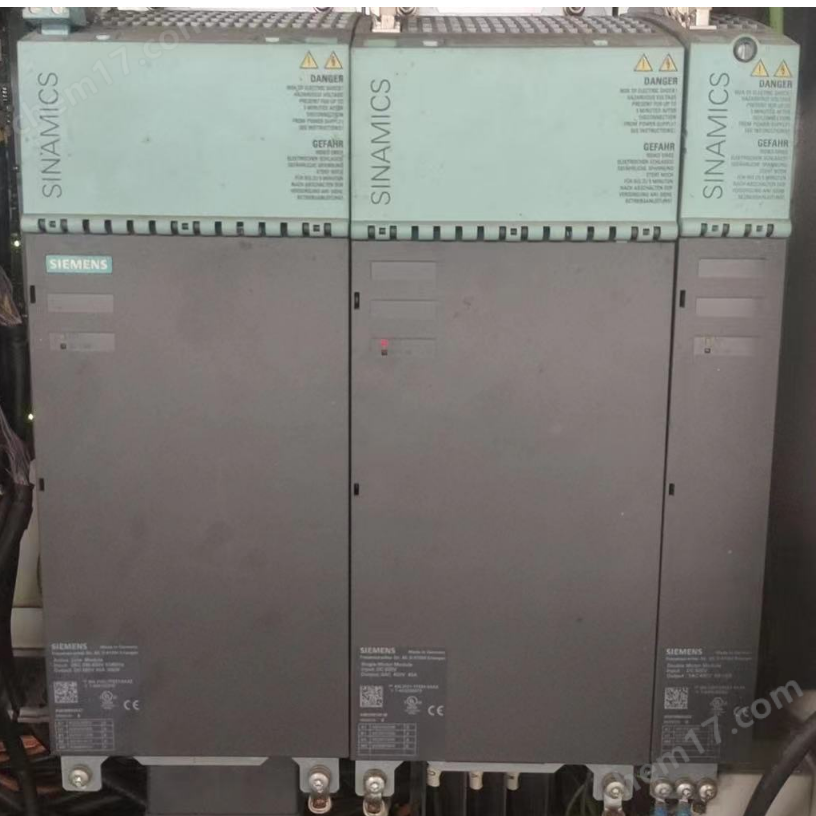
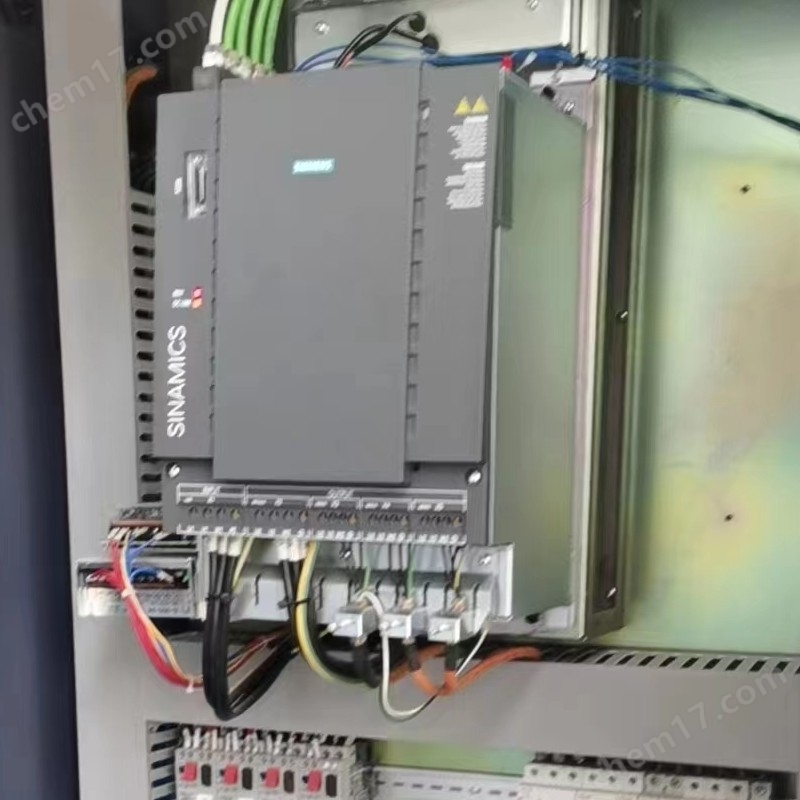

Siemens driver reported 207801 overcurrent and was repaired on the same day
NegotiableUpdate on 05/14
- Model
- Nature of the Manufacturer
- Producers
- Product Category
- Place of Origin
Overview
Siemens driver reported 207801 overcurrent, which was repaired on the same day. Siemens server repair, Siemens power module repair and sales, Shanghai Hengshui Electric Co., Ltd. Your choice is correct. Since its establishment, the company has been selling and repairing frequency converters and servo drives, as well as touch screens, PLC, We have accumulated rich maintenance experience in DC speed controllers and established maintenance records for the machines we repair. We have parameter backups for all the machines we repair to ensure that they can be used immediately upon installation.
Product Details
Siemens driver reported 207801 overcurrent and was repaired on the same daySiemens server repair, Siemens power module repair sales
Driver overcurrent is a common fault phenomenon that can be caused by various reasons. Here are some possible reasons that may cause overcurrent in the drive:
Overloading: When the output current of the servo drive exceeds its rated current, an overcurrent fault occurs. This may be due to the heavy load exceeding the rated load capacity of the servo drive by 3.
Short circuit fault: Short circuit fault can cause a rapid increase in current, exceeding the rated current of the servo drive. A short circuit may occur at the winding or cable connection inside the motor.
Unstable power supply voltage: If the voltage of the power supply fluctuates or is unstable, it may cause the output current of the servo drive to exceed the rated value by 3.
Drive failure: The malfunction of the servo drive itself may also cause overcurrent. For example, circuit board damage, current detection circuit failure, etc.
Overheating: The servo drive may overheat during prolonged high load operation, causing the current to exceed the rated value. This may be caused by poor heat dissipation or high ambient temperature.
Control logic error: Incorrect control system settings or control logic errors may also cause driver overcurrent alarm 1.
Hardware malfunction: including whether the power components and current detection circuit inside the driver are working properly. Hardware malfunction may require professional repair.
Parameter setting error: Ensure that the parameters of the servo drive, such as electronic gear ratio, gain of speed loop and position loop, are set reasonably according to the actual load situation. Incorrect parameter settings may result in excessive output current.
External interference: Power fluctuations, strong magnetic field interference, etc. can all affect the normal operation of the driver, leading to overcurrent fault 1.
Siemens driver reported 207801 overcurrent and was repaired on the same daytechnological process;
Firstly, inquire about the fault symptoms and on-site situation of the damaged electrical equipment from the user.
Step 2: Analyze the causes of such faults based on the user's fault description.
Step 3: Thoroughly clean the machine, identify damaged components, and analyze the feasibility of repair and restoration.
Step 4: Based on the location of the damaged component, identify the cause of the damage to avoid similar malfunctions in the future.
Step 5: Provide a detailed inspection report and repair quotation, and after Party A confirms the quotation, carry out the repair.
Step 6: Conduct a load test on the device after repair, notify Party A of normal operation, and ship upon payment
No payment will be made for the faulty repair parts that have not been repaired
Similar Product Recommend

