- Phone
-
Address
101-102, Lane 666, Xianing Road, Jinshan District, Shanghai
Product Categories
Shanghai Yanzheng Experimental Instrument Co., Ltd

Provided by laboratory microreactor manufacturer
NegotiableUpdate on 05/06
- Model
- Nature of the Manufacturer
- Producers
- Product Category
- Place of Origin
Overview
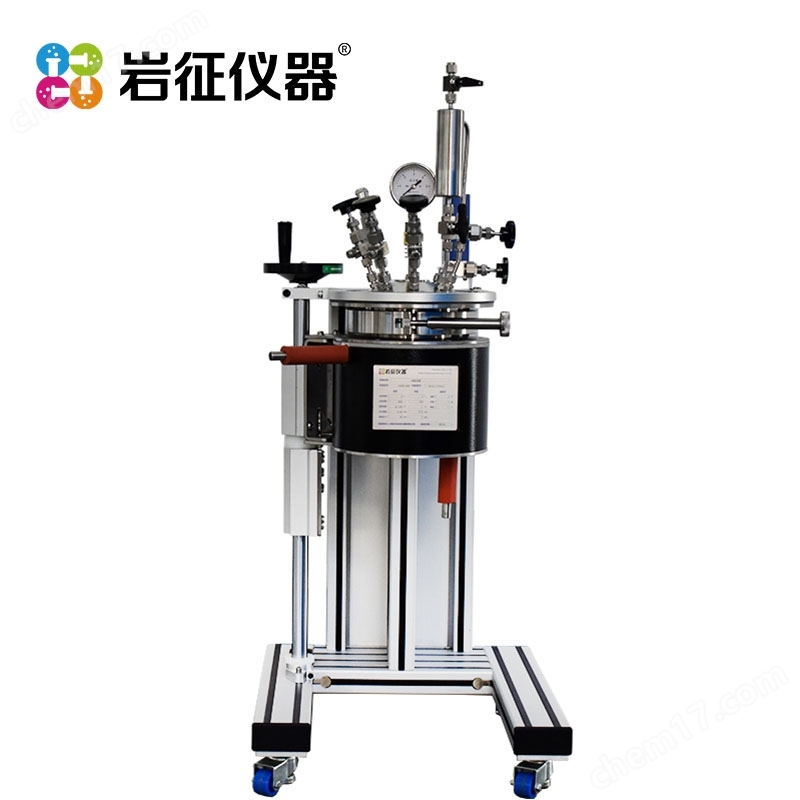
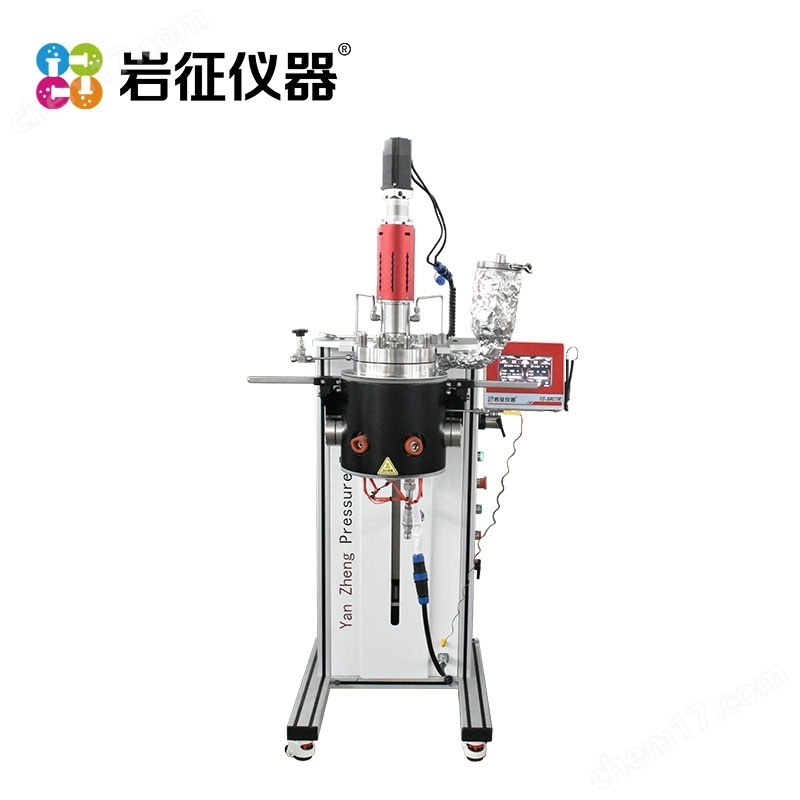
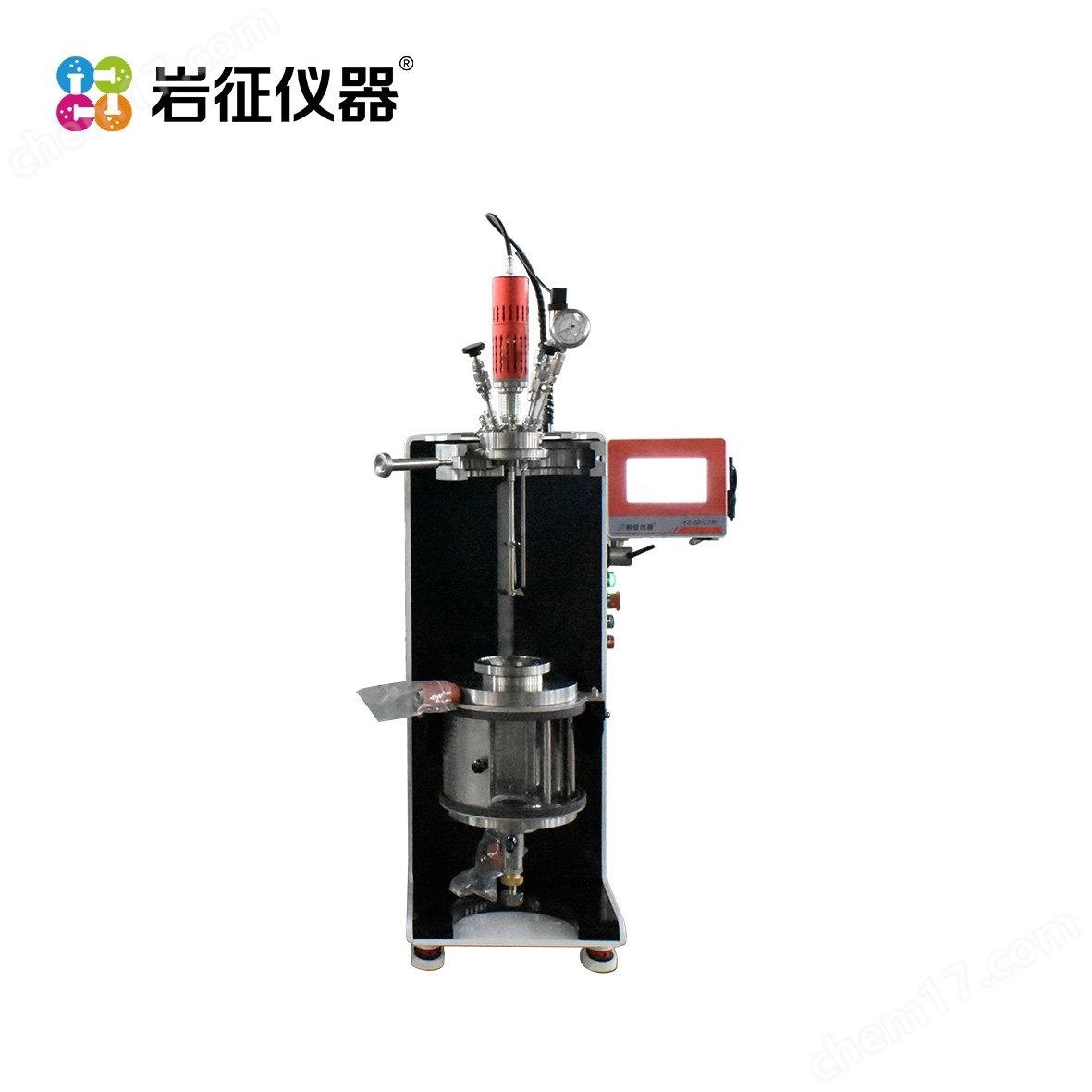
Laboratory microreactors are widely used for various evaluations of catalysts and reaction process conditions under gas-solid or droplet flow conditions, including catalyst screening, composition screening and optimization of multicomponent catalysts, reaction condition and process optimization, catalyst life investigation, etc.
Product Details
Introduction to Laboratory Microreactors
Laboratory microreactors are widely used for various evaluations of catalysts and reaction process conditions under gas-solid or droplet flow conditions, including catalyst screening, composition screening and optimization of multicomponent catalysts, reaction condition and process optimization, catalyst life investigation, etc.


A laboratory microreactor is a miniaturized reaction vessel commonly used for small-scale chemical synthesis and reaction research in the laboratory. Micro reactors have smaller volumes and higher surface area to volume ratios, which can effectively control reaction conditions and heating rates, providing higher reaction efficiency and accuracy.
Micro reactors are typically made of corrosion-resistant materials such as glass, stainless steel, or special alloys, and have a well sealed design to prevent reactant leakage or gas escape. They are usually equipped with temperature control systems, stirring devices, and gas inlet and outlet functions to meet different experimental needs.
Laboratory microreactors are widely used in fields such as organic synthesis, catalytic reactions, biochemistry, and drug development. Its advantages include saving reactant and reagent usage, accelerating reaction speed, improving yield, and facilitating high-throughput experiments and rapid optimization of reaction conditions. In addition, microreactors also help reduce waste generation and chemical usage, meeting the requirements of sustainable development.
Similar Product Recommend