-
E-mail
819630446@qq.com
-
Phone
13073301868
-
Address
Building 4, Listed Science and Technology Innovation Park, No. 19 Yong'an Road, Huqiu District, Suzhou City
Product Categories
Suzhou Langsheng Scientific Instrument Co., Ltd
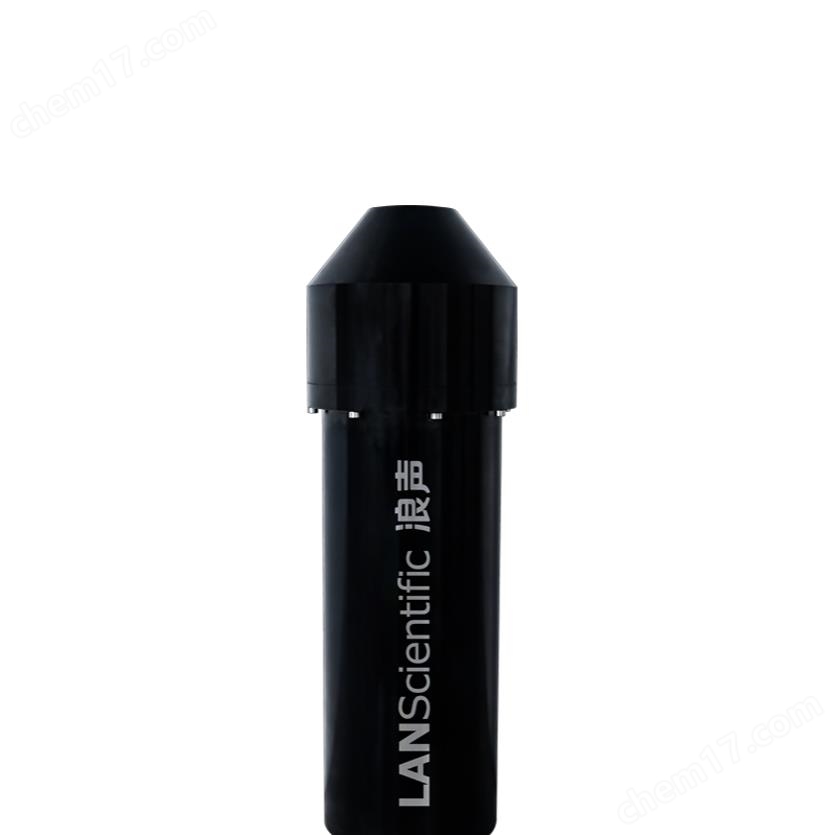
Portable underwater multi-element detector
NegotiableUpdate on 12/25
- Model
- Nature of the Manufacturer
- Producers
- Product Category
- Place of Origin
Overview
Working at a depth of 10 meters, breaking through spatial limitations, precise and efficient, multi scenario application, assisting in underwater element analysis
Product Details
IP68Portable underwater multi-element detectorWith its IP68 waterproof performance, it can achieve high-precision real-time element analysis in complex underwater environments,Obtain accurate data directly without sampling or preprocessingSignificantly improve detection efficiency and save homework time. It is compact in size, easy to operate, and can be flexibly used even in small spaces. The interface is intuitive and does not require professional training to get started.
IP68Portable underwater multi-element detectorWidely used in marine geology and mineral exploration, underwater archaeology, cultural relic protection, environmental monitoring, emergency response, and underwater infrastructure testing and maintenance. Its emergence not only improves on-site detection efficiency and reduces operating costs, but also provides efficient and reliable technical support for underwater scientific research and resource development, ushering in a new era of underwater detection and injecting strong power into exploring the unknown underwater world.
·Working at a depth of 10 meters, breaking through spatial limitations
·IP68 waterproof rating,High precision real-time detection
·Real time data feedback
·Multi scenario applicability
Advantages of use
Extreme IP68 waterproof, working at a depth of 10 meters
Adopting high standard sealing design, the whole machine can operate stably for a long time in deep water environment, with the highestUp to a depth of 10 metersTo meet diverse underwater detection needs and provide strong support for ocean exploration and underwater engineering.
No need for sampling, precise non-destructive testing in situ
No need to remove the sample from the water surface or pre treat itDirectly conducting testing underwater avoids possible contamination and compositional changes during the sample extraction process, truly achieving in-situ measurement underwater and ensuring the authenticity and accuracy of the test results.
High precision detection, simultaneous analysis of multiple elements
By using XRF technology, the content of various elements in underwater samples can be accurately detected with extremely low detection limits. Even in complex underwater environments, trace elements can be detected, helping users discover more hidden information and effectively meeting the needs of rapid exploration of marine resources and real-time analysis of archaeological sites.
Real time data transmission, supporting remote monitoring
Equipped with a data transmission system, the detection results can be transmitted in real-time to the control terminal, allowing users to obtain data in a timely manner and make decisions, greatly improving work efficiency. Supporting remote monitoring and operation, users can control and view instruments in a secure environment, reducing the risk of personnel in underwater environments and making operations more convenient.
Compact design, portable and easy to operate
Compact instrument design,Compact size, easy to carryIntegrated with various types of underwater equipment such as sinking, handheld, and ROV/AUV, it has no narrow space or irregular terrain, meets the requirements of rapid deployment in multiple scenarios, and is suitable for use in different underwater environments. The user interface is user-friendly, the operation process is simple and easy to understand, and there is no need for complex training to get started. Even non professionals can quickly master it.
Stable and reliable, with strong adaptability
Made of high-quality materials, the casing is sturdy and durable, capable of withstanding complex underwater environmental conditions such as water flow impact and changes in water pressure, ensuring long-term stable operation of the instrument.
Application scenarios
|
It can directly achieve rapid non-destructive testing of elemental composition of manganese nodules, hydrothermal sulfides, rare earth minerals and other resources on the seabed, avoiding sample loss and pollution caused by traditional sampling, improving exploration efficiency and accuracy, and assisting in the precise assessment and development of mineral resources.
|
It is applicable to the detection of pollutants in Rivers and Lakes and offshore waters, and the analysis of harmful elements in bottom sediments, which can respond to emergencies such as heavy metal leakage in the first time, and help rapid decision-making and governance. |
Through non-destructive in-situ element analysis, it helps to identify cultural relics of different materials and ages, avoid damage caused by sampling, and provide scientific basis for cultural relic protection and restoration, improving the accuracy and protection level of archaeology. |
|
Suitable for material corrosion monitoring and pollutant detection of underwater structures such as bridges, docks, pipelines, and cooling systems of nuclear power plants, achieving early warning and regular maintenance, effectively ensuring the safe operation and extending the service life of underwater infrastructure. |

Similar Product Recommend