-
E-mail
674338455@qq.com
-
Phone
18611900152
-
Address
18 Qinghe Anningzhuang East Road, Haidian District, Beijing
Product Categories
- Solid moisture online measuring instrument
- Solid moisture analyzer
- Wall mounted mouth poison alarm
- Fog concentration detector
- Handheld oil mist analyzer
- Air radioactive monitoring device
- Portable odor analyzer
- gas detector
- Moisture detector
- Online water mist monitoring device
- UV fluorescence oil analyzer
Beijing Beidouxing Technology Co., Ltd
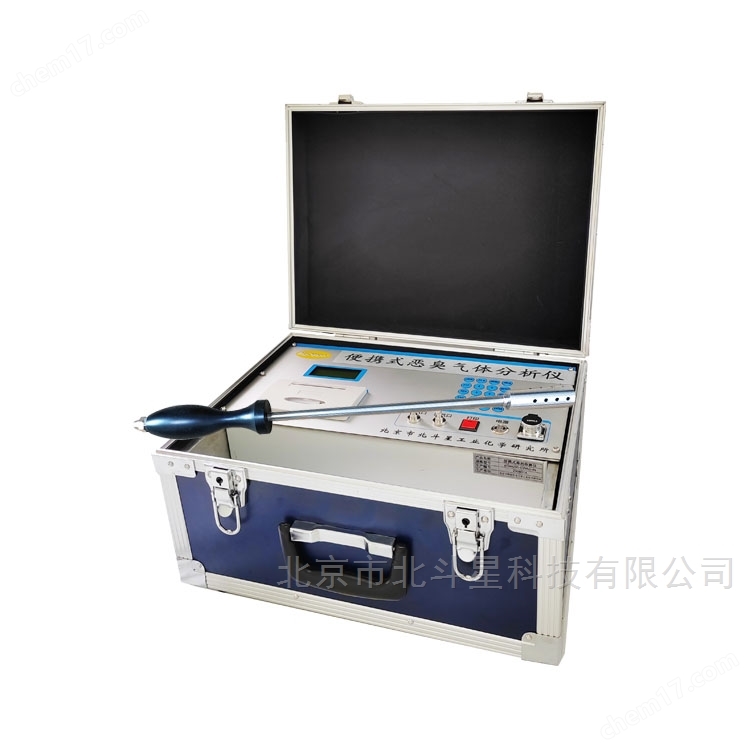
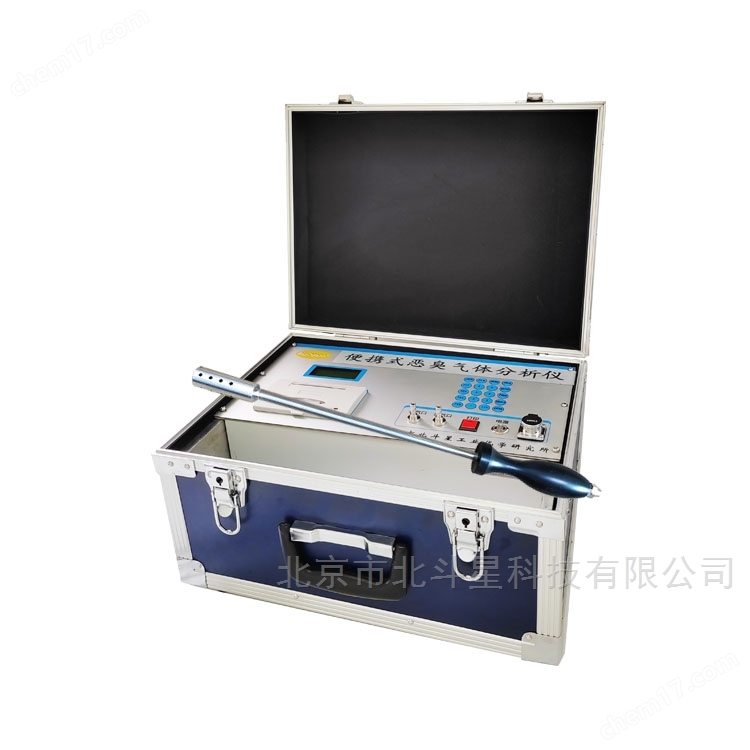

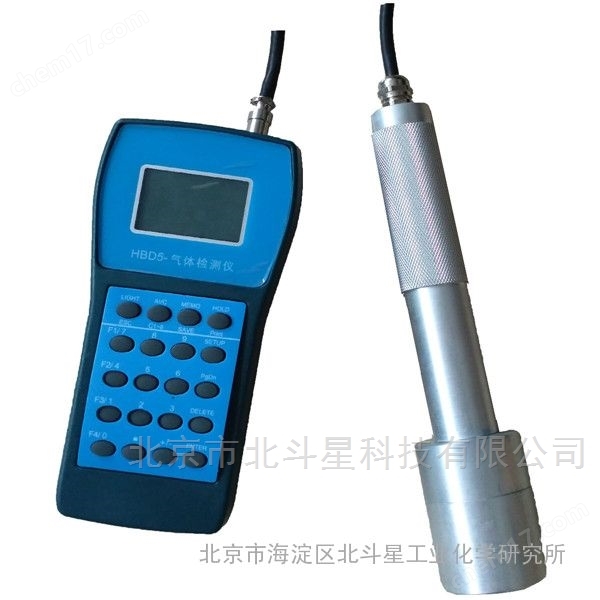
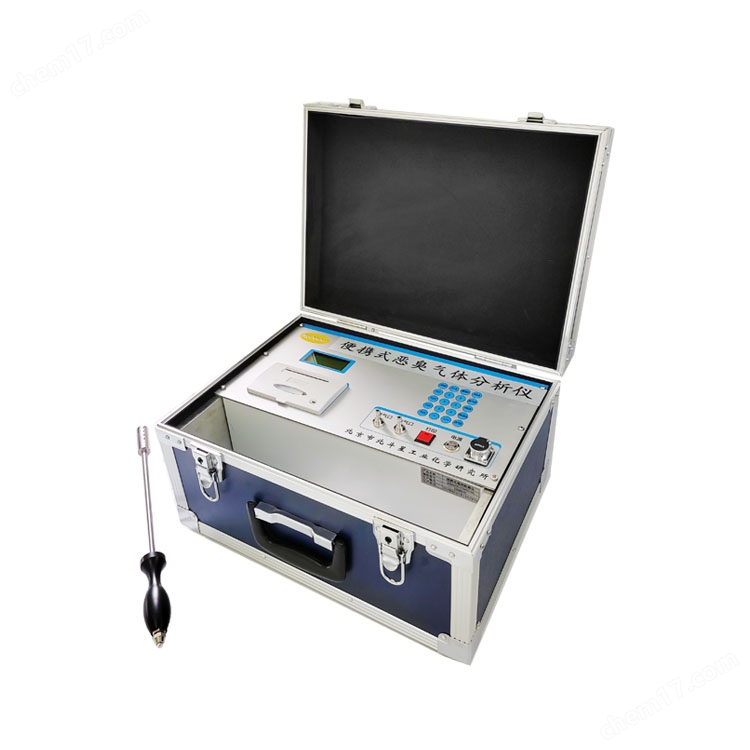
Portable multi parameter odor gas analyzer/odor detector
NegotiableUpdate on 01/08
- Model
- Nature of the Manufacturer
- Producers
- Product Category
- Place of Origin
Overview
Portable multi parameter odor gas analyzer/odor detector can be used for internal self-control in chemical plant monitoring, sewage treatment, landfill sites, petroleum refining, cement fertilizer and other enterprises or departments, to quickly and effectively monitor and prevent odor gas leaks caused by other emergencies.
Product Details
Portable multi parameter odor gas analyzer/odor detectorCharacteristics:
-Portability: Small in size, light in weight, easy to carry and move, can be handheld or in car, can be tested anytime and anywhere, suitable for different scenarios.
-Quick detection: It can quickly sample and analyze odorous gases in the environment, obtain detection results in a short period of time, and respond promptly to sudden odor pollution events.
-Multi parameter detection: can simultaneously detect multiple odor gas components, such as hydrogen sulfide, ammonia, methyl mercaptan, methyl sulfide, etc VOC、 Wait, it can also measure comprehensive indicators such as odor concentration.
-Easy to operate: usually equipped with intuitive and simple operation buttons, user-friendly interface, and can be easily operated without complex training.
-Data processing and transmission: With data storage function, it can store a large amount of detection data and transmit the data to management platforms and other devices.
The working principle of the odor gas analyzer is to use different types of sensors, such as electrochemical sensors, semiconductor sensors, photoionization sensors, etc., to convert the perceived concentration of odor gases into electrical signals, which are then processed and analyzed by the internal circuits and software of the instrument.
Portable multi parameter odor gas analyzer/odor detectorFunction:
1) The gas sensor adopts sensing technologies such as electrochemical method, gas sensing method, infrared method, catalytic combustion method, semiconductor method, PID photoionization method, etc.
2) Gas detection parameters can be selected according to the actual situation, and multiple gases can be detected simultaneously on one instrument.
3) Equipped with printing, capable of completing on-site and laboratory testing needs.
4) Pump sampling and sampling.
5) The sensor operates in real-time and continuously detects the working mode.
6) Power undervoltage and power failure alarm.
7) Quickly detect parameters and temperature values, and perform temperature correction and cross correction.
8) Inert gas software zeroing, standard sample or substitute calibration.
9) All operation keyboard settings, window prompts.
The application fields of odor gas analyzers are extensive, covering multiple scenarios such as environmental protection, industry, and municipal engineering. They are mainly used for monitoring and controlling odor pollution, ensuring environmental quality and public health. The following is an introduction to specific application areas:
Environmental supervision field
-Environmental quality monitoring: Regularly monitor the odor gases in urban air, suburban and rural environments, grasp the distribution and changing trends of regional odor pollution, and provide data support for environmental governance.
-Pollution source supervision: Conduct supervisory monitoring of discharge outlets and surrounding environments for industrial pollution sources such as chemical parks, pharmaceutical factories, fertilizer factories, as well as key odor emitting units such as landfills and sewage treatment plants, to ensure that they meet emission standards.
-Complaint verification through letters and visits: In areas where residents have reported odor and odor problems, quickly detect gas composition and concentration, determine the source of pollution, and provide a basis for resolving environmental disputes.
Industrial production field
-Production process control: In industries such as petrochemicals, coal chemicals, rubber manufacturing, and food processing, real-time monitoring of odor gas leaks or emissions in production workshops, reaction devices, and waste gas treatment facilities is necessary to adjust process parameters in a timely manner and reduce pollutant generation.
-Assessment of exhaust gas treatment facilities: used to evaluate the operational effectiveness of enterprise exhaust gas treatment equipment, detect changes in odor gas concentration before and after treatment, and ensure that the treatment facilities operate in compliance with standards.
Municipal and public service sectors
-Related to garbage disposal: Monitor the odor gases in landfills, incineration plants, garbage transfer stations, and other places to avoid the spread of odors affecting the lives of surrounding residents, while guiding the optimization of garbage removal and landfill operations.
-Sewage treatment related: Monitor odorous gases such as hydrogen sulfide and ammonia in the inlet, sedimentation tank, sludge treatment area, and other areas of the sewage treatment plant to ensure the health of operators and prevent odor disturbance to the public.
-Public health places, such as public toilets, agricultural markets, and other places that are prone to producing odors, should be monitored and deodorized in a timely manner to improve the public environment.
Emergency and scientific research fields
-Emergency monitoring: In sudden environmental incidents such as chemical leaks and factory explosions, quickly detect the types and concentrations of odorous gases on site, assess the scope and degree of pollution, and provide data support for emergency rescue and evacuation command.
-Research experiment: Used for the study of the formation mechanism, diffusion law, and treatment technology of odor pollution, providing experimental data for the development of more effective deodorization technology and the formulation of environmental standards.
These application areas have achieved full process control of odor pollution through precise odor gas detection, helping with environmental pollution control and sustainable development.
Similar Product Recommend