- Phone
-
Address
3rd Floor, No. 7, Lane 1, Huishi Street, Songhe Community, Longhua Street, Longhua District, Shenzhen City
Product Categories
Ikeda House Industrial (Shenzhen) Co., Ltd


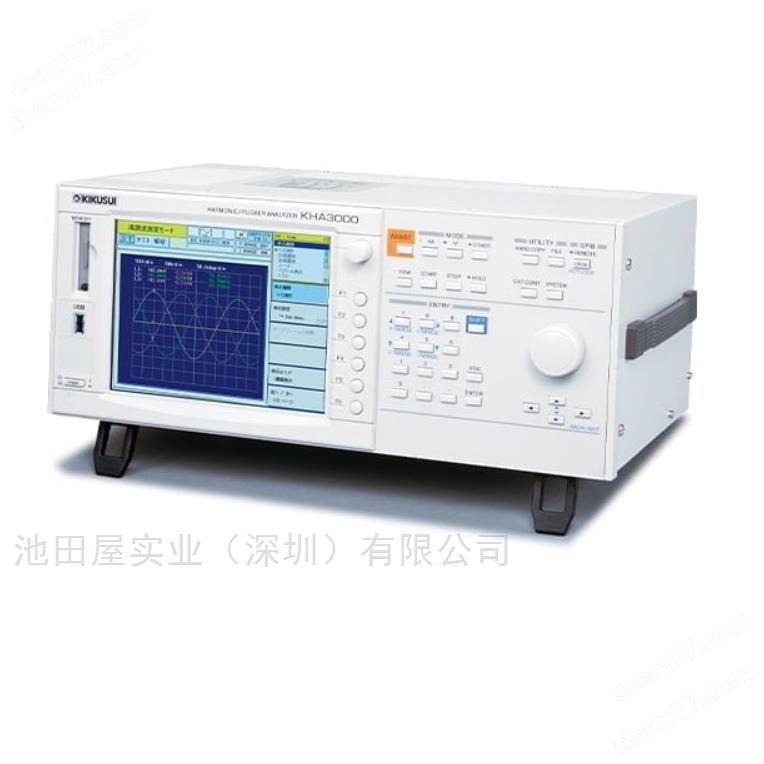
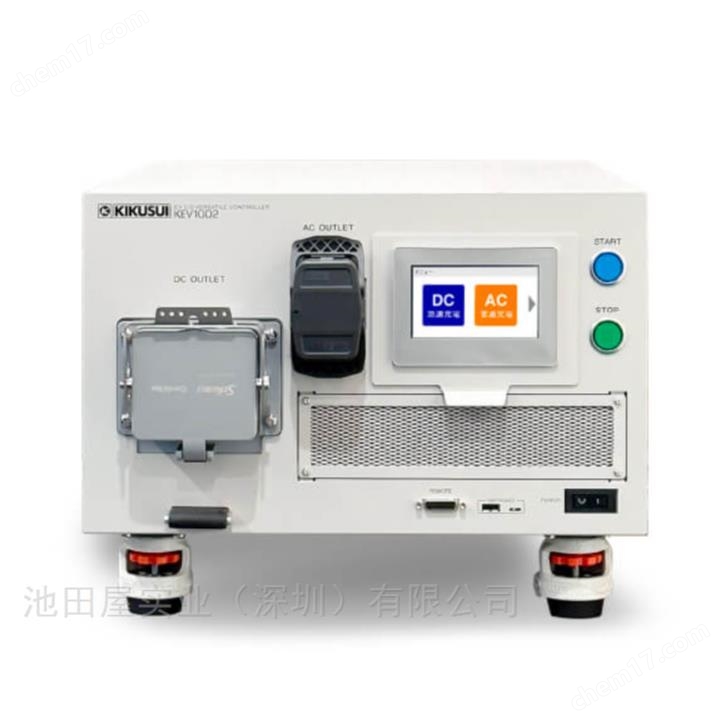

Original Japanese stock Kikusui DC power supply
NegotiableUpdate on 05/06
- Model
- Nature of the Manufacturer
- Producers
- Product Category
- Place of Origin
Overview
The original Japanese stock Kikushi KIKUSUI DC power supply $r $n Kikushi KIKUSUI's PWR-01 series is a small, high-performance, wide range DC power supply designed for testing scenarios that require a wide range of voltage and current combinations. It provides a rich selection of 12 models through a combination of 4 output voltages (L, ML, MH, H) and 3 output powers (400W, 800W, 1200W).
Product Details
Original Japanese stock Kikusui DC power supply
Original Japanese stock Kikusui DC power supply
Product Overview
Kikusui's PWR-01 series is a small, high-performance, wide range DC power supply designed specifically for testing scenarios that require a wide range of voltage and current combinations. It provides a rich selection of 12 models through a combination of 4 output voltages (L, ML, MH, H) and 3 output powers (400W, 800W, 1200W).
The core advantage of this series lies in its "power type action" design, which can achieve seamless switching of voltage/current range within 3-4 times the rated power. For example, a 1200W PWR1201ML model can smoothly adjust its output range from 80V/15A to 20V/60A, covering the range that traditional multiple power supplies can only achieve, significantly saving space.
Functionally, the PWR-01 series comes standard with LAN (LXI), USB, and RS232C communication interfaces required for building automated testing systems. Its "timing function" allows for the pre-set of complex voltage/current change programs and the synchronous operation of multiple devices through trigger signals, making it very suitable for scenarios such as battery charging and discharging tests that require precise timing control. In addition, it also has the function of variable internal resistance, which can simulate changes in battery internal resistance; The ON/OFF function of the discharge circuit can safely release the accumulated charge at the load end
The PWR-01 series products are connected to a capacitor at the output end and equipped with a discharge circuit to release the charge in the capacitor when the output is turned off. For example, if the output terminal is connected to a battery or other device, even if the output is turned off, if the discharge circuit is in a conducting state, it will discharge the battery or other device. In this case, closing the discharge circuit can prevent excessive discharge. Therefore, when charging batteries or other types of batteries, diodes required to prevent reverse current can be omitted.
Similar Product Recommend