-
E-mail
info@enboso.com
-
Phone
18676688185
-
Address
Building D, Donghua Zhiyuan Garden, No. 5003 Bao'an Avenue, Shenzhen
Product Categories
- Infrared gas telemetry
- Fixed biochemical harmful factor monitoring system
- Chemical Toxic Gas Online Monitoring System
- Nuclear, biological and chemical detector
- Gas cloud imaging
- Online monitoring system for harmful biological factors
- Fumigation gas detector
- Fixed Microclimate Monitor
- Sulfuric fluoride detector
- Ethylene oxide concentration monitor
- Ethylene oxide residue detector
Shenzhen Yingbaoshuo Technology Co., Ltd

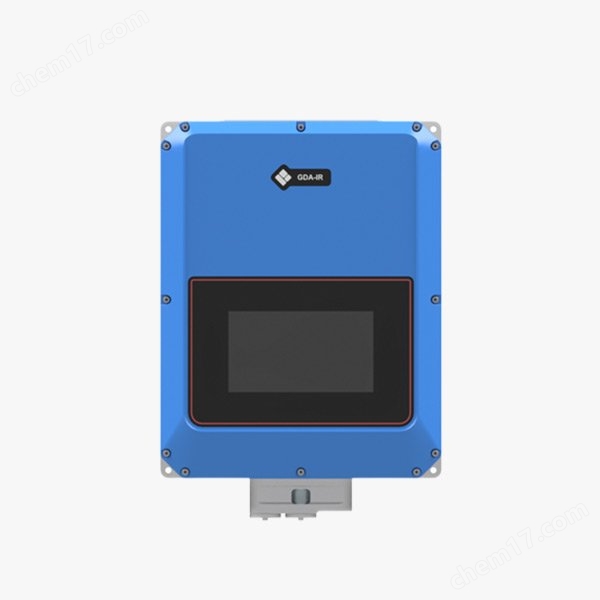
Nuclear, biological and chemical detector
NegotiableUpdate on 01/14
- Model
- Nature of the Manufacturer
- Producers
- Product Category
- Place of Origin
Overview
The nuclear, biological and chemical detector is an online real-time monitoring system for chemical warfare agents and high-risk industrial toxic gases. It uses IMS sensor+PID sensor+EC sensor array technology to provide high sensitivity for rapid online detection and identification of chemical harmful factors.
Product Details
Nuclear, biological and chemical detectorIt is a comprehensive device that integrates multiple detection technologies, aimed at real-time monitoring of nuclear radiation, chemical pollutants, and biological hazards in the environment. It is widely used in fields such as public safety, emergency management, and industrial production. The following is a comprehensive analysis of the key technologies and functions of such devices:
Nuclear, biological and chemical detectorCore Technologies and Functions:
1. Biological factor detection
-Quick identification technology: Using CANDAY technology developed by MIT Lincoln Laboratory, combined with a large capacity aerosol sampling system, it can efficiently capture biological threats such as bacteria, viruses, spores, and toxins in the air.
-Multi target synchronous analysis: supports simultaneous identification of up to 12 harmful biological factors, with PCR level sensitivity and specificity, suitable for anti biological attack and public health event warning.
-Automated operation: Built in automatic decontamination and cleaning function, triggering sound and light alarms after detection, reducing the need for human intervention.
2. Detection of radioactive substances
-Dose rate monitoring: such as the ARM6103 equipment of the Beidou satellite instrument, it can detect X and gamma ray dose rates in the air, with a range covering extremely low to high doses, suitable for nuclear facilities, hospitals, and environmental monitoring.
-Multi point deployment and alarm: supports connecting multiple detectors to achieve regional monitoring; Equipped with dose rate threshold alarm function, linked with sound and light alarms or external devices in case of abnormalities.
-Environmental adaptation: It can operate stably in high temperature, low temperature, and high humidity environments, meeting the needs of complex scenarios such as nuclear industry maintenance and customs cold chain inspection.
3. Detection of chemical agents and particulate matter
-Aerosol and volatile organic compound analysis: The concentration of particulate matter such as PM1.0 and PM2.5 is detected by laser scattering technology, and real-time air quality assessment is achieved by combining optical particle counters.
-Surface contamination detection: The alpha and beta surface contamination detectors use composite scintillation probes that cover a large detection window and can quickly locate radioactive drug residues or industrial contamination.
Similar Product Recommend