-
E-mail
li.fu@perkinelmer.com
- Phone
-
Address
1670 Zhangheng Road, Zhangjiang High tech Park, Shanghai
Product Categories
- gas chromatography
- GC-MS (Gas Chromatography-Mass Spectrometry)
- infrared microscope
- Liquid chromatography-mass spectrometry (LC-MS) instrument
- Thermogravimetric Analyzer
- Differential scanning calorimeter
- Atomic absorption spectrometer
- Synchronous thermal analyzer
- Plasma mass spectrometry
- Headspace sampler
PerkinElmer Enterprise Management (Shanghai) Co., Ltd


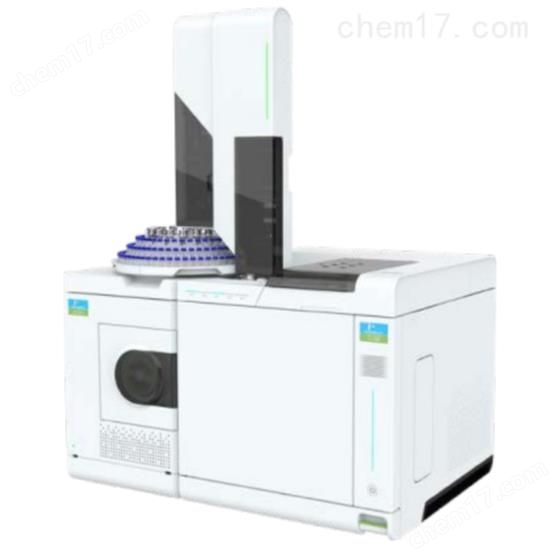
New generation synchronous thermal analysis system
NegotiableUpdate on 12/22
- Model
- Nature of the Manufacturer
- Producers
- Product Category
- Place of Origin
Overview
The modular design of the Pyris STA 9 next-generation synchronous thermal analysis system host ensures the convenience of troubleshooting and maintenance. Its testing is supported by a unified electronic module and the same gas system, making operation simpler and performance more reliable.
Product Details
Pyris STA 9New generation synchronous thermal analysis system,Comprehensively improve thermal analysis performance
Whether it is raw materials or composite materials, researchers and QA/QC analysts need to use high-resolution data to explain the subtle complexity of material changes. They often face the challenges of complex instruments and unreliable data, while also having to deal with the pressure brought by fast and accurate detection cycles and strict regulatory requirements to ensure that thermal analysis instruments can provide consistent and reliable results.
PerkinElmer has been deeply involved in the field of thermal analysis for over 60 years, utilizing his extensive professional knowledge to change the current state of the industry and launch the new Pyres STA 9 system. The new generation system is compact and durable, which can make your experimental work more efficient. The intuitive touch screen interface simplifies instrument operation and significantly improves work efficiency.
With temperature control and rapid heating technology, our instrument has high precision and control performance. A comprehensive and reliable integrated solution allows you to experience simplified workflows and deeper data analysis.
The modular design of the Pyris 9 series host ensures the convenience of troubleshooting and maintenance. Its testing is supported by a unified electronic module and the same gas system, making operation simpler and performance more reliable. The new balanced design reduces gas consumption, ensures low maintenance costs, and improves ESG.
Pyris STA 9New generation synchronous thermal analysis systemmain advantages
Stable furnace body
Interchangeable furnace body
Sensitive balance
Intuitive touch screen
Unmanned operation
More realistic temperature and heat
Synchronous thermal analyzer can ensure high stability and efficiency in both routine testing and user scientific research. STA 9 is equipped with PerkinElmer's SaTurnA ™ Sensor technology can measure sample and reference temperatures, ensuring high precision and accuracy.
The all-new STA 9 combines the functions of furnace temperature control and sample temperature/heat testing sensors, ensuring that the detected temperature and heat signals are the temperature and heat changes of the sample itself. This not only minimizes the proportion of loss/undetected heat signals caused by adverse factors such as thermal radiation and convection, but also significantly reduces thermal hysteresis problems caused by temperature gradients inside the furnace, such as peak broadening, etc.
The temperature control range of STA 9 has been expanded to 10-1100 ℃. The forced air cooling module has been upgraded to an inert gas forced cooling module, and the hardware structure of the ceramic furnace heating wire has been optimized, greatly enhancing the reliability and durability of the furnace body. In addition, inert cooling gas can reduce the waiting time for gas replacement before and after sample loading, and improve overall testing efficiency. Equipped with DSC calorimeter module as standard, it has an advantage in calorimeter indicators compared to competitors.
Excellent thermal balance performance
The thermal balance used in STA 9 is Provectus, independently developed and produced by PerkinElmer Corporation ™ 6500 Ultra Microbalance, It can ensure a background weight temperature drift of less than 25 μ g within the range of room temperature to 1100 ℃; Under isothermal conditions, the self drift of background weight time is less than 2 μ g/hour, which fully ensures the accuracy of sample weight testing and improves testing efficiency (conventional weight samples do not need to measure the background multiple times, and then deduct the weight background drift).
Ballistic temperature control technology
Thanks to STA 9's support for instantaneous heating of platinum heating wires under high current/high power, the furnace body can provide ballistic heating technology with a maximum linear heating rate of 450 ℃/min and a maximum nonlinear heating rate of 500 ℃/min (instantaneous maximum heating rate), which are currently strong indicators in the industry. Corresponding to specific application scenarios, fields such as dynamic model construction, cracking experiment simulation, fire and explosion testing, and rapid dynamic simulation are all very suitable choices.
The cooling rate of the furnace body is also unique in the industry, which can achieve ultra fast cooling from 1100 ℃ to 100 ℃ in less than 12 minutes under the condition of using low-cost high-purity nitrogen gas; For the temperature range with the slowest cooling from 100 ℃ to 30 ℃, only an additional 10 minutes are needed to prepare the next sample for injection. For customers, especially those with high-throughput testing requirements, using an automatic sampler can greatly improve the throughput of daily sample testing. By not using expensive helium gas for cooling, it is possible to maintain lower operating costs.
Gas tightness of furnace body at mass spectrometry level
The airtightness of the furnace structure determines whether the external atmosphere of the equipment will affect the test results, and it is also one of the important factors determining the signal sensitivity of mass spectrometry in the low mass number range in the STA/MS combined platform. Poor airtightness can cause ambient gases to diffuse into the furnace, thereby reducing the signal-to-noise ratio. In addition, a good airtight structure allows the thermal balance to use a smaller gas flow rate to blow the sample chamber and balance chamber, thereby reducing the background weight drift of the thermal balance.
The core sealing component of STA 9 furnace body adopts integrated stamping technology, while optimizing the matching of the self expansion coefficient of the peripheral assembly structural components, which can fully ensure the maintenance of good airtightness structure under severe temperature changes of the furnace body.
Similar Product Recommend