-
E-mail
15900517856@163.com
-
Phone
15900517856
-
Address
No. 168 Dongshe Road, Songjiang District, Shanghai
Product Categories
Shanghai Pinkui Electromechanical Technology Co., Ltd


Multi position friction and wear testing machine
NegotiableUpdate on 01/08
- Model
- Nature of the Manufacturer
- Producers
- Product Category
- Place of Origin
Overview
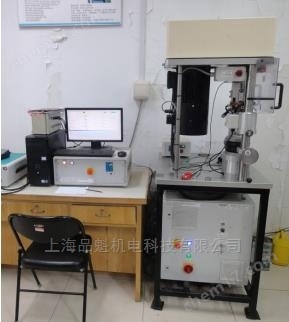
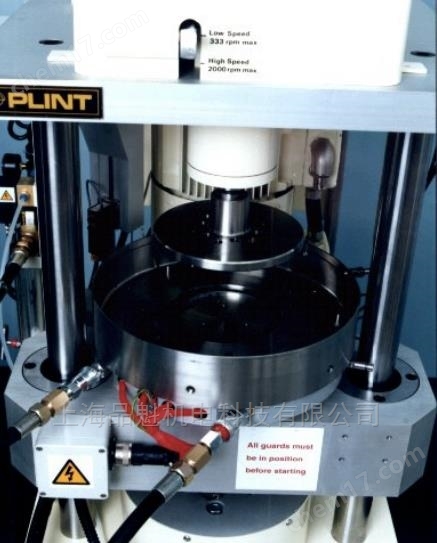
Multi station friction and wear testing machine is a universal testing equipment used to evaluate the friction coefficient, wear amount, and wear resistance of materials. It is widely used in fields such as mechanical manufacturing, automotive industry, aerospace, and new material research and development. Compared to single station equipment, it can simultaneously test samples of different materials and working conditions through multiple testing units operating in parallel, greatly improving experimental efficiency. It is the core equipment for enterprise quality control and material research in scientific research institutions.
Product Details
Multi station friction and wear testing machine is a universal testing equipment used to evaluate the friction coefficient, wear amount, and wear resistance of materials. It is widely used in fields such as mechanical manufacturing, automotive industry, aerospace, and new material research and development. Compared to single station equipment, it can simultaneously test samples of different materials and working conditions through multiple testing units operating in parallel, greatly improving experimental efficiency. It is the core equipment for enterprise quality control and material research in scientific research institutions.
From a general construction perspective, the device core consists ofMultiple independent testing units、Loading and transmission system、Environmental control moduleandData Collection and Analysis Systemform. The number of testing units is usually 4-12 workstations (can be customized as needed), and each unit is equipped with replaceable friction pair fixtures (such as pin disks, ball disks, block rings, etc.), suitable for various material samples such as metal, plastic, rubber, ceramics, etc; The loading system adopts servo motors or hydraulic drives, which can accurately apply static or dynamic loads of 0.1-1000N with a loading accuracy of ± 0.01N. The transmission system can achieve speed adjustment of 0.1-5000r/min to meet different friction speed requirements; The environmental control module can simulate environments such as room temperature, high temperature (-60 ℃ -1000 ℃), low temperature, humidity, and corrosive media (oil, water, acid-base solutions) to restore the actual working environment of the sample; The data acquisition system records real-time parameters such as friction coefficient, wear amount, temperature, and load, with data errors controlled within 3%, ensuring accurate and reliable detection results.
Its core advantages are concentrated in "efficiency" and "universality". Multi station parallel design enables equipment to conduct multiple parallel experiments or different parameter comparison experiments simultaneously, improving testing efficiency by 3-10 times compared to single station equipment, significantly shortening the material research and development and product verification cycle; The flexible fixture and working condition adjustment function enable it to adapt to various testing modes such as pin disc friction, ball disc friction, reciprocating friction, etc., meeting the testing needs of different industries. In addition, the device supports a combination of standardization and customization, and can adjust parameters and adaptability according to national standards (such as GB/T 3960), industry standards, or special needs of enterprises.
In practical applications, device functions cover a wide range: in the automotive industry, it is used to test the wear resistance of brake pads and bearing materials; In the field of mechanical manufacturing, evaluate the friction loss of gear and shaft components; In the development of new materials, compare the wear resistance coefficients of composite materials with different formulations; In the field of medical devices, testing the frictional compatibility between implant materials and human tissues.
As a key equipment for multi domain material performance testing, the multi station friction and wear testing machine provides scientific data support for material screening, product quality improvement, and technological innovation, promoting the development of various industries towards more efficient and durable material applications.
Similar Product Recommend