-
E-mail
2213832271@qq.com
-
Phone
18761897960
-
Address
Zhenjiang City, Jiangsu Province
Product Categories
Jurong Tiandao Instrument Co., Ltd
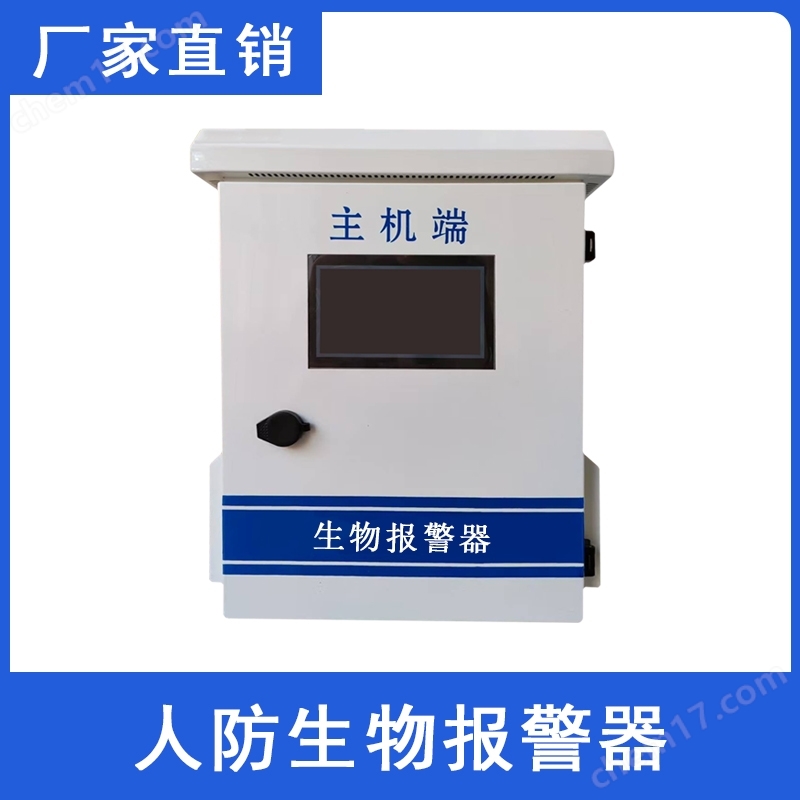


Mingxi County Commercial Building Civil Air Defense Biological Alarm
NegotiableUpdate on 02/05
- Model
- Nature of the Manufacturer
- Producers
- Product Category
- Place of Origin
Overview
A biological alarm is a monitoring device that converts biological signals into identifiable electrical or optical signals based on the sensitivity response of organisms (or their active ingredients) to specific environmental pollutants, pathogens, or biological threats. Mingxi County Commercial Building Civil Air Defense Biological Alarm
Product Details
1、 Definition and Core Principles of Biological Alarm Devices
A biological alarm is a monitoring device that converts biological signals into identifiable electrical or optical signals based on the sensitivity response of organisms (or their active ingredients) to specific environmental pollutants, pathogens, or biological threats. The core principle is to use biomolecules (such as enzymes, antibodies, nucleic acids), cells, tissues, or the entire organism (such as microorganisms, algae, small animals) as biometric recognition elements. When the target analyte interacts specifically with the recognition element (such as binding, inhibition, metabolic changes, etc.), it will cause changes in biological activity, physiological indicators, or metabolites. These changes are then converted into quantitative or qualitative detection results through sensors, achieving rapid warning of the target substance.Mingxi County Commercial Building Civil Air Defense Biological Alarm
2、 Key components of a biological alarm
1. Biometric element
oMolecular level componentsEnzymes such as acetylesterase (used for detecting organophosphate pesticides), antibodies (used for immune recognition of pathogens or toxins), and aptamers (specifically binding to target molecules through nucleic acid folding) have high specificity and sensitivity.
ocell/Organizational level componentsMicroorganisms (using their metabolic activity changes to detect toxic substances), mammalian cells (expressing fluorescent proteins through gene editing in response to specific stimuli), plant tissues (such as algae's fluorescence response to heavy metal ions), etc., can simulate the overall toxic effects of organisms.
oIntegrated biological componentsModel organisms such as Caenorhabditis elegans and zebrafish reflect environmental stress by observing their behavioral changes (such as abnormal movement and mortality) or physiological indicators (such as heart rate and fluorescence intensity).
2. Signal conversion unit (sensor)
Convert the biological signals generated by biometric components, such as electrochemical changes, optical changes, thermal changes, and mass changes, into physical signals. Common types include:
oElectrochemical sensorQuantitative analysis is achieved by detecting electron transfer in biological reactions (such as the current generated by enzyme catalyzed reactions), which is suitable for rapid on-site detection.
ooptical sensorBased on fluorescence, colorimetry, and surface plasmon resonance(SPR)The principle, such as immunofluorescence method for detecting pathogens, has high sensitivity and visualization advantages.
opiezoelectric sensorUtilizing the mass changes caused by the binding of biomolecules to alter the vibration frequency of piezoelectric crystals, suitable for trace substance detection.
3. Signal Processing and Output System
Including signal amplification, data acquisition, analysis, and display modules, the weak signals output by sensors are amplified and converted into digital signals through circuits or chips, and finally presented in the form of numerical values, images, or alarm sounds. Some devices can be connected to the Internet of Things for remote monitoring.Mingxi County Commercial Building Civil Air Defense Biological Alarm
3、 Main application areas
1. environmental monitoring
oWater quality safetyDetect heavy metal ions (such as mercury and lead), pesticide residues (such as organic phosphorus), and industrial pollutants, and quickly evaluate water quality toxicity using the toxicity response of algae or microorganisms.
oair qualityMonitoring volatile organic compounds through biosensors(VOCs)Real time warning of air pollution using plant cell-based biochips, such as formaldehyde, sulfur dioxide, etc.
osoil pollutionAssessment of Persistent Organic Pollutants in Soil Using Metabolic Activity Changes of Soil Microorganisms(POPs)The concentration.
2. Public Health and Food Safety
opathogen detectionIf antibody based biosensors are used for rapid detection of foodborne pathogens (Escherichia coli, Salmonella) or viruses (influenza virus), the response time can be shortened to10-30minute
oToxic WarningDetect biological toxins (such as aflatoxin and botulinum toxin) and chemical toxins in food to ensure food safety.
oOccupational exposure monitoringUsed in chemical plants, laboratories, and other places to monitor harmful gases (such as ammonia and chlorine) in real time and protect personnel health.
3. Biosafety and National Defense
oBiological warfare agent detectionRapid identification of biological factors such as anthrax bacilli and smallpox virus, portable devices based on nucleic acid aptamers or immune sensors can be deployed on the battlefield or in public places.
oBiological threat warningBy monitoring abnormal microbial community changes in the air or water, early warning of biological attacks or large-scale outbreaks of infectious diseases can be provided.
4. medical diagnosis
oInstant detection(POCT): (Electrochemical sensor based on glucose oxidase), COVID-19 antigen detection test paper (immunochromatography) to achieve rapid bedside diagnosis.
oDisease biomarker monitoringDetecting tumor markers (such as carcinoembryonic antigen) in blood or salivaCEA)Virus antibodies assist in early disease screening.
5. Agriculture and Food Industry
oCrop safetyMonitor pollutants in soil or irrigation water to optimize the planting environment; Detect pesticide residues and fungal toxins in agricultural products to ensure supply chain security.
oFermentation process monitoringReal time monitoring of metabolites (such as ethanol and lactic acid) in microbial fermentation to optimize production efficiency.
Similar Product Recommend