-
E-mail
info@enboso.com
-
Phone
18676688185
-
Address
Building D, Donghua Zhiyuan Garden, No. 5003 Bao'an Avenue, Shenzhen
Product Categories
- Infrared gas telemetry
- Fixed biochemical harmful factor monitoring system
- Chemical Toxic Gas Online Monitoring System
- Nuclear, biological and chemical detector
- Gas cloud imaging
- Online monitoring system for harmful biological factors
- Fumigation gas detector
- Fixed Microclimate Monitor
- Sulfuric fluoride detector
- Ethylene oxide concentration monitor
- Ethylene oxide residue detector
Shenzhen Yingbaoshuo Technology Co., Ltd
Gas cloud imaging
NegotiableUpdate on 01/14
- Model
- Nature of the Manufacturer
- Producers
- Product Category
- Place of Origin
Overview
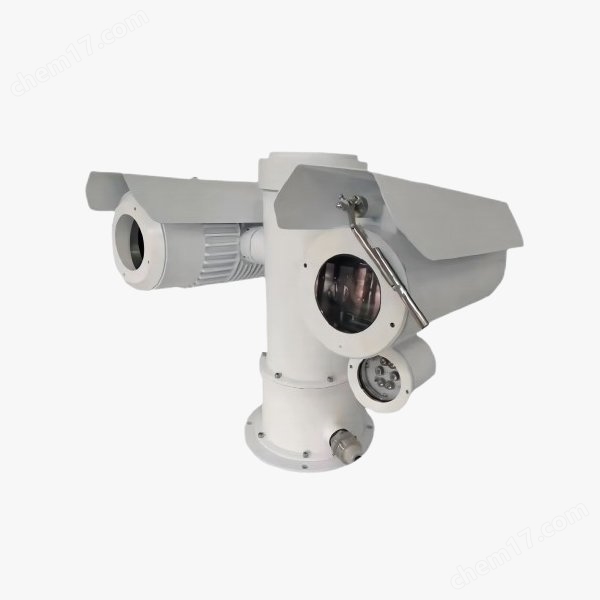
The integrated design of gas cloud imaging module and visible light monitoring dual module can simultaneously meet the needs of infrared and visible light gas monitoring. It has remote, non-contact, visual, and dual light path monitoring functions, which can visually monitor the gas in real-time, locate the leakage position, and eliminate safety hazards.
Product Details
Gas cloud imagingIt is a gas detection technology based on the principle of infrared spectroscopy absorption. By capturing the absorption characteristics of gases towards specific wavelengths of infrared radiation, a visual image is formed to identify the location and diffusion situation of hazardous gas leaks. Here is a detailed introduction to it:
Gas cloud imagingCore technical principles
1. Basic Theory
-Infrared absorption spectroscopy: Different gas molecules have absorption characteristics towards specific wavelengths of infrared radiation.
-The application of Bill's law: absorbance is proportional to gas concentration and absorption path length, but in practical environments, it is difficult to accurately quantify due to the lack of thickness data.
2. Technical branches
-Heat source imaging technology: detects gas leaks by collecting infrared radiation information from the scene, with a simple structure and low maintenance costs.
-Spectral imaging technology: utilizing the differential absorption of gases at specific infrared wavelengths for precise identification, resulting in higher accuracy.
-Fourier transform infrared spectroscopy (FTIR): Combining two-dimensional images from multiple devices with GPS/gyroscope data to reconstruct three-dimensional gas cloud distribution and achieve three-dimensional quantitative analysis.
Gas cloud imagingMain functions and application scenarios:
1. Core functions
-Visual monitoring: Real time display of gas plume trajectory and diffusion trend, visually tracing the source of leakage.
-Multi gas detection: It can identify dozens of VOCs such as methane and ethylene, and some systems support up to 60 hazardous chemical gases.
-Intelligent alarm: Determine leakage events through AI algorithms and trigger warnings, linking with other security systems.
2. Typical application scenarios
-Hazardous chemical production and storage area: 24/7 intelligent inspection, with wide coverage and fast response.
-Oil and gas fields and pipeline transportation: remote monitoring of flammable and explosive gas leaks to reduce the risk of manual inspections.
-Emergency warning for chemical industrial parks: Quickly locate leakage points and assess the spread situation to assist in emergency decision-making.
technical advantage
1. Non contact remote monitoring: detection can be carried out from tens of meters to several kilometers away, suitable for complex or dangerous environments.
2. Dynamic visualization: Directly presenting the shape and movement path of gas cloud clusters, filling the spatial blind spots of traditional point sensors.
3. Multi parameter fusion: Some systems combine environmental data such as wind speed, temperature and humidity to improve detection accuracy.
Similar Product Recommend