-
E-mail
531172201@qq.com
-
Phone
13560799601
-
Address
5th Floor, Building 6, Longbi Industrial Zone, Bantian Street, Longgang District, Shenzhen
Product Categories
Shenzhen Dongri Yingneng Technology Co., Ltd


Explosion proof VOC gas detector
NegotiableUpdate on 01/28
- Model
- Nature of the Manufacturer
- Producers
- Product Category
- Place of Origin
Overview
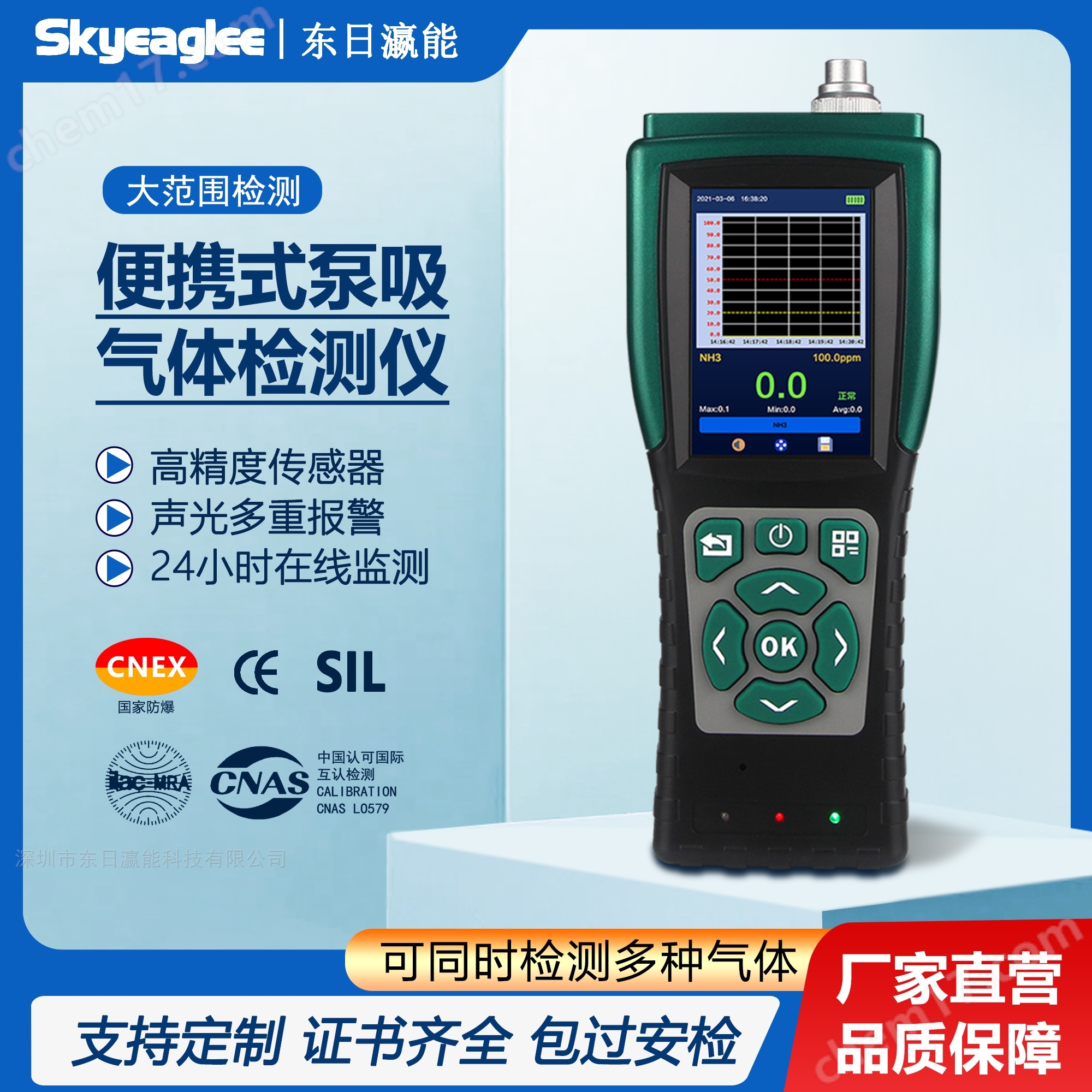
Explosion proof VOC gas detector is a safety device specifically designed for real-time monitoring of volatile organic compound concentrations in flammable and explosive environments.
Product Details
Explosion proof VOC gas detector is a safety device specifically designed for real-time monitoring of volatile organic compound concentrations in flammable and explosive environments.
Its core function is to accurately sniff out organic vapors that are both toxic and potentially explosive in hazardous areas.
Decompose its meaning and purpose word by word
Explosion proof:
This is the primary safety prerequisite. This means that the design of the instrument has obtained explosion-proof certification, and its casing and circuit can ensure that it will never ignite the explosive gas environment outside when electric sparks, high temperatures, or static electricity are generated inside.
Why is it important? Because many VOCs are inherently flammable and explosive. In areas such as chemical plants and oil depots, combustible VOC vapors may be present in the air. Using non explosion proof equipment for detection is essentially carrying a potential ignition source, which can easily lead to catastrophic accidents.
VOC:
This is the core detection target. VOC is an abbreviation for "volatile organic compounds", referring to a large class of organic chemicals that are easily volatile at room temperature.
Common representatives: benzene, toluene, xylene, formaldehyde, acetone, gasoline vapor, alcohol vapor, various solvents, etc.
They have a dual hazard:
Health hazards: Most VOCs are toxic, and some are highly carcinogenic (such as benzene). Long term or short-term exposure can damage the liver, nervous system, and cause discomfort such as headaches.
Safety hazard: They are highly flammable, and their vapors can form explosive mixtures when mixed with air.
Gas detector:
Its function is to continuously and real-time measure the concentration of VOCs in the air (usually in ppm parts per million concentration, or mg/m)? )And immediately sound an alarm when the concentration exceeds the standard.
Its core function and purpose
1. Fire and explosion prevention (core safety function)
*Monitor the concentration of combustible gases in the environment (measured in% LEL) to ensure that it is far below the lower explosive limit. Once the concentration approaches a dangerous level, the instrument will immediately sound and light an alarm to remind personnel to evacuate and take measures to prevent accidents from occurring.
2. Ensure the occupational health of personnel
*Many VOCs can cause harm to health even at very low concentrations. The detector can ensure that the VOC concentration in the working environment is below the national occupational exposure limit (OEL), preventing acute poisoning and chronic occupational diseases.
3. Conduct safe operations and inspections in special hazardous areas
*It is a tool for the following "dual hazard" locations (with both VOC pollution and explosion risk):
*Petrochemical industry: refineries, chemical plants, tank farms, pipeline inspections.
*Spray painting and coating workshop: Paint and thinner will evaporate a large amount of flammable and toxic VOCs.
*Pharmaceutical and chemical plants: use a large amount of organic solvents in the production process.
*Printing and adhesive industries.
*Underground pipelines, cabins, storage tanks and other enclosed spaces: Before entering these spaces, it is necessary to use them to detect VOC and oxygen concentrations to ensure safety.
4. Environmental leakage detection and compliance monitoring
*Search for leakage points: Staff can hold it close to valve, pump, flange and other connections to accurately locate the unorganized emission leakage source of VOCs.
*Compliance with regulatory requirements: Environmental protection and safety production regulations mandate monitoring of VOCs emissions and exposure. The use of certified explosion-proof detectors is a prerequisite for legal, compliant, and safe production.
Main working principle
The most commonly used portable explosion-proof VOC detector is the PID (photoionization) sensor:
Principle: High energy ultraviolet lamps are used to irradiate gas, ionizing VOC molecules into positively charged ions and electrons. The concentration of VOC gas is calculated by measuring the ion current.
Advantages: Sensitivity, able to detect low concentrations of VOCs at the ppm level, fast response speed.
Explosion proof VOC gas detector is a professional safety equipment designed for high-risk industrial environments. It is not only a tool for monitoring environmental pollution, but also an active safety system that integrates health protection and explosion prevention. For personnel working in industries such as petroleum, chemical, and spray painting, it is a "life-saving sentinel" when entering hazardous areas, ensuring that when working in toxic and flammable steam environments, it can prevent chronic health damage and prevent acute explosion accidents.