- Phone
-
Address
5440 Songjin Road, Tinglin Town, Jinshan District, Shanghai
Product Categories
Shanghai Yanzheng Experimental Instrument Co., Ltd
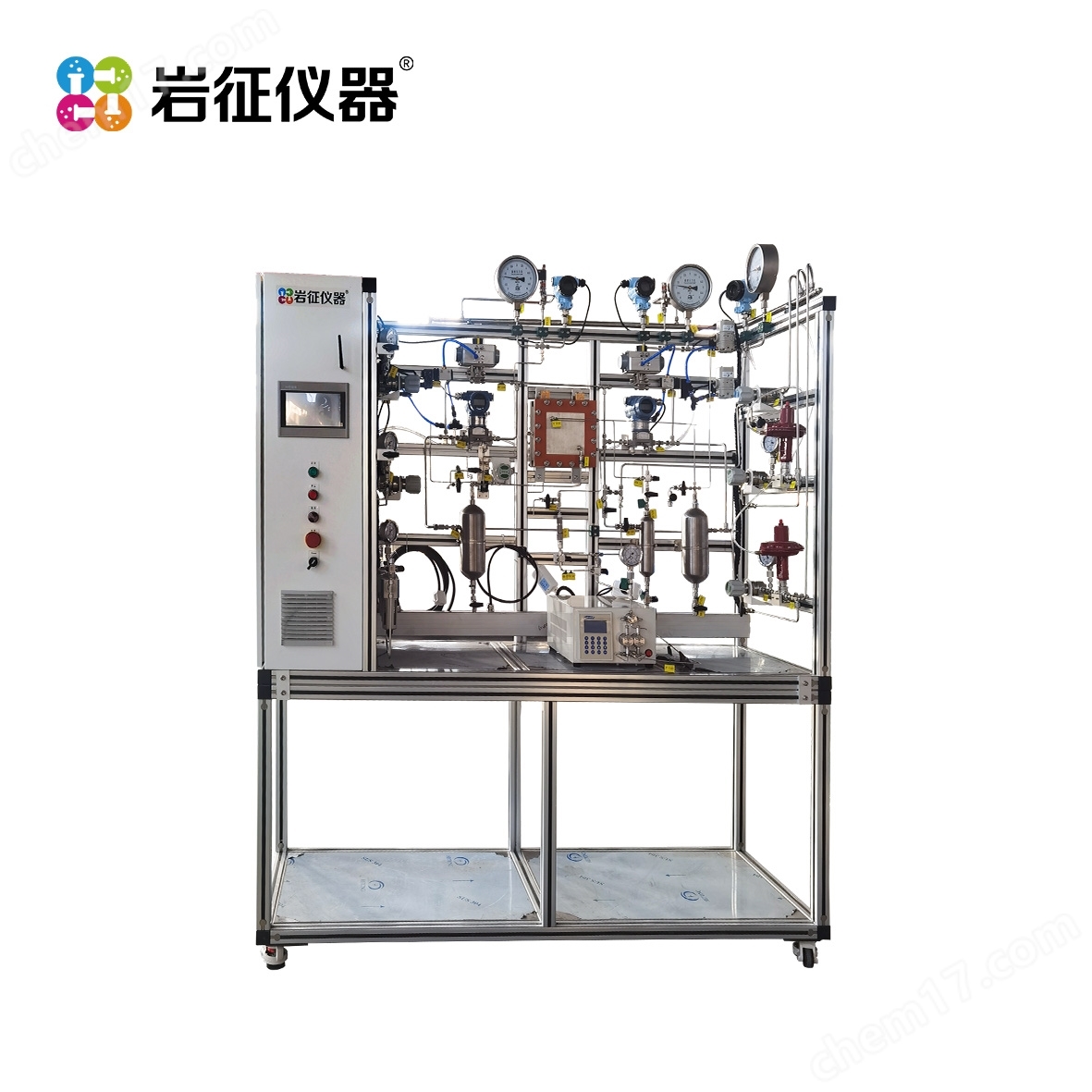
Electrolytic cell experimental apparatus
NegotiableUpdate on 05/06
- Model
- Nature of the Manufacturer
- Producers
- Product Category
- Place of Origin
Overview
The electrolytic cell experimental device is a basic equipment in the field of electrochemistry, widely used in various industries such as electrochemical synthesis, electrolytic refining, battery manufacturing, and environmental protection treatment. It achieves substance and energy conversion through oxidation-reduction reactions of ions in electrolyte solution under the action of an electric field.
Product Details
Electrolytic cell experimental apparatusIt is a fundamental device in the field of electrochemistry, widely used in various industries such as electrochemical synthesis, electrolytic refining, battery manufacturing, and environmental treatment. It achieves substance and energy conversion through oxidation-reduction reactions of ions in electrolyte solution under the action of an electric field.
Structure and Principle
structure
The electrolytic cell is mainly composed of the following parts:
cathodeThe negative electrode of an electrolytic cell, usually an inert electrode such as platinum, graphite, etc., is used to accept electrons.
anodeThe positive electrode of an electrolytic cell can be an inert electrode or an active electrode, used to release electrons.
electrolyteProvide a medium for ion conduction, which can be liquid or solid.
diaphragmSeparate the anode and cathode to prevent mixing of reactants and ensure the smooth progress of electrolytic reactions.
Electrode holderFixed electrodes to maintain the stability of the electrolytic cell structure.
principle
The electrolytic cell experimental device drives ions in the electrolyte to undergo redox reactions on the electrode by applying an external voltage. On the cathode, cations acquire electrons and are reduced into substances; On the anode, anions lose electrons and oxidize into substances.
Types and Characteristics
type
Electrolytic cells can be classified into the following types based on their structure and working principle:
Diaphragm electrolytic cellThere is a diaphragm between the anode and cathode to prevent the mixing of electrode products.
Diaphragm free electrolytic cellDirect contact between anode and cathode, suitable for situations where electrode products can still react after mixing.
Continuous electrolytic cellUsed for continuous production, such as continuous electrolytic refining of metals.
characteristic
efficientElectrolytic cells can achieve rapid conversion of substances and improve production efficiency.
controllableBy controlling the electrolysis parameters, the electrolysis process can be precisely adjusted.
energy savingElectrolytic cells can effectively utilize electrical energy during the reaction process and have high energy conversion efficiency.
application
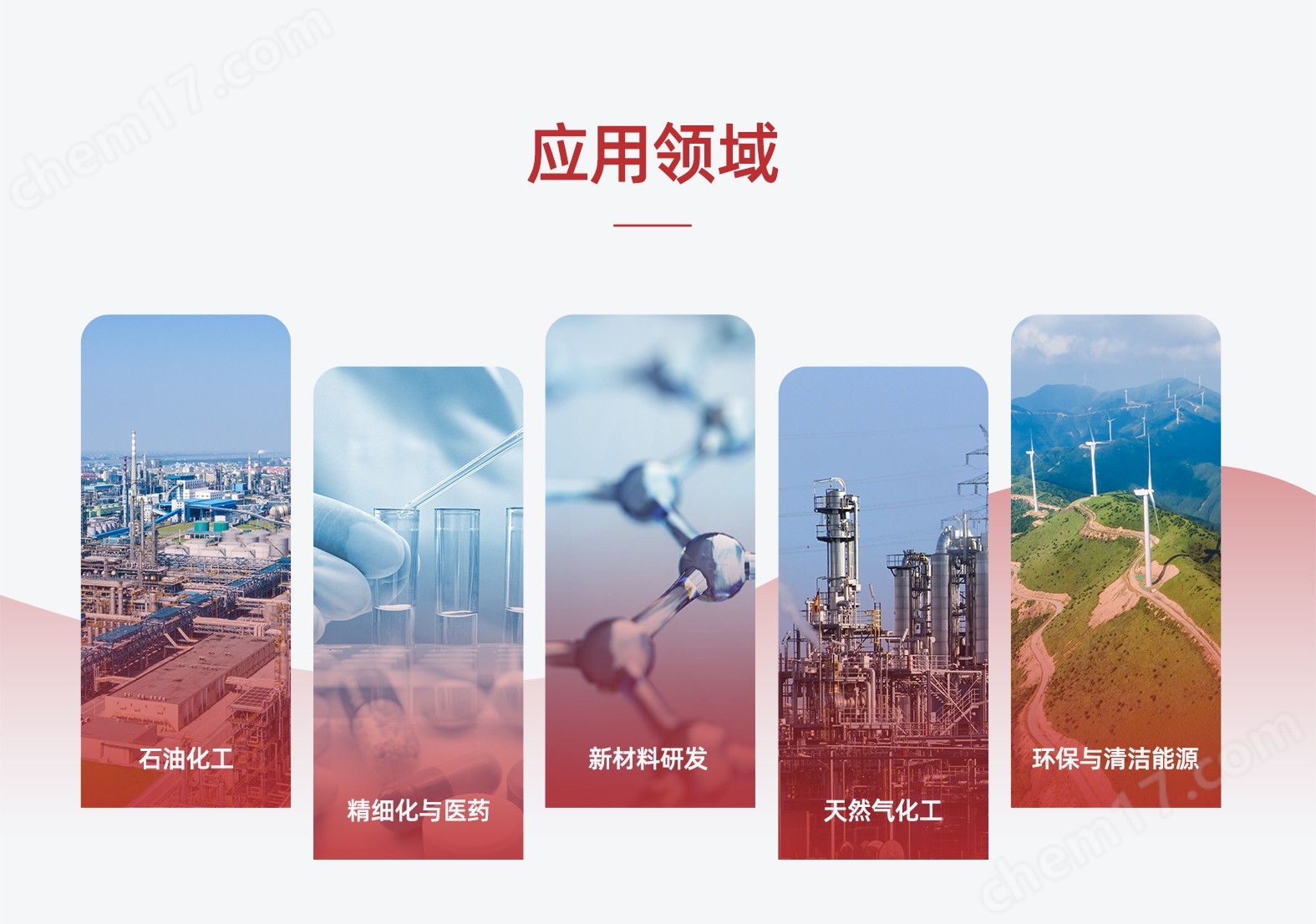
1. Electrochemical synthesis
Electrolytic cells can be used to prepare various chemical products, such as chlor alkali, hydrogen, sodium, copper, etc.
2. Electrolytic refining
In the process of metal smelting, electrolytic cells can be used to refine metals and improve their purity.
3. Battery manufacturing
Electrolytic cells are used in battery manufacturing for the preparation of electrode materials, such as negative electrode materials for lithium-ion batteries.
4. Environmental protection treatment
Electrolytic cells can be used to treat pollutants in wastewater and exhaust gases, such as electroplating wastewater treatment.



Similar Product Recommend