-
E-mail
zxm_sydd@126.com
-
Phone
13909823973
-
Address
Room 1512, No. 1-4-3, 20th Central Street, Shenyang Economic and Technological Development Zone, Liaoning Province
Product Categories
Shenyang Rongye Experimental Instrument Manufacturing Co., Ltd

Electrode guided molten salt conductivity pool component
NegotiableUpdate on 02/08
- Model
- Nature of the Manufacturer
- Producers
- Product Category
- Place of Origin
Overview
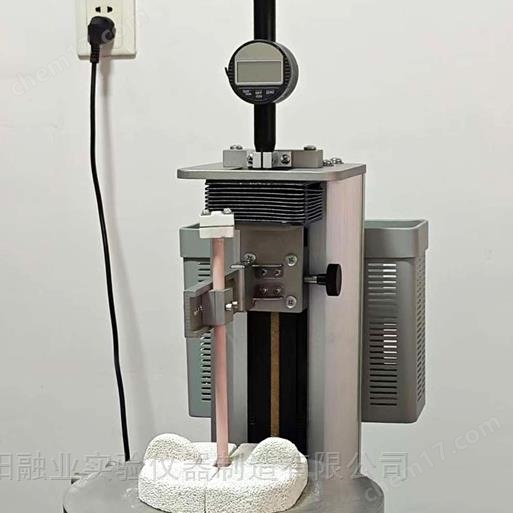
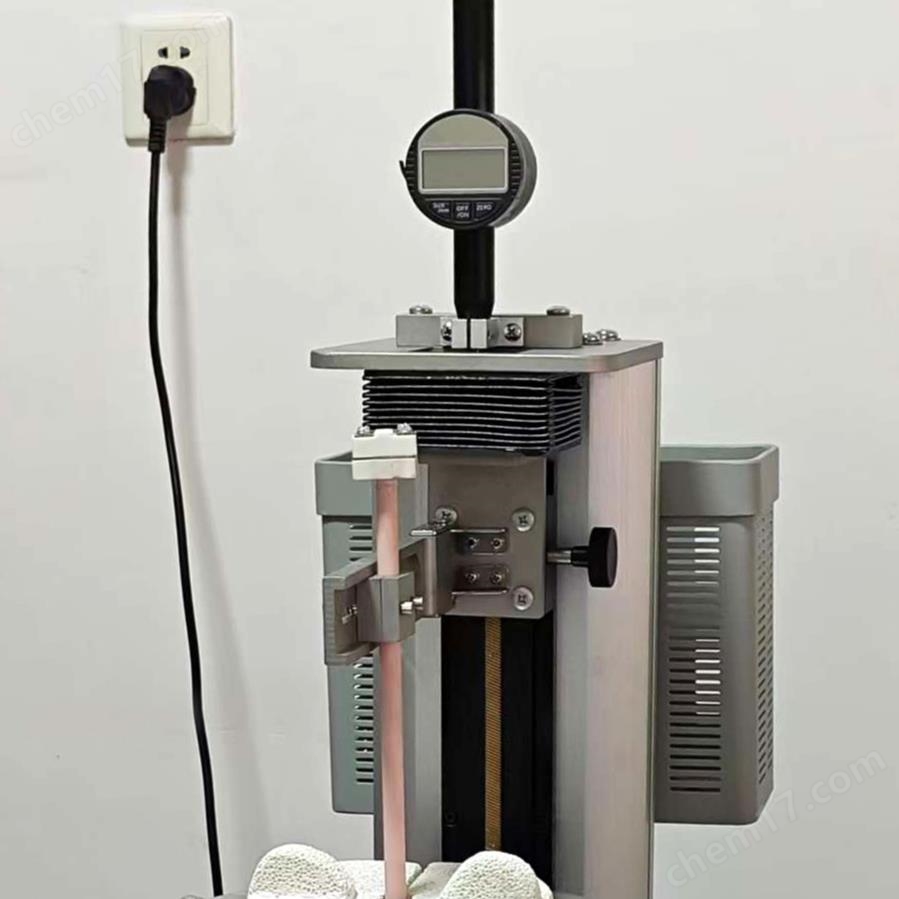
The electrode guided molten salt conductivity pool component has electrode guiding function. Testers using this product do not need to assemble the conductivity pool themselves. They can simply cover the crucible with this product.
Product Details
Electrode guided molten salt conductivity pool componentIt is designed to assist measurement personnel in assembling conductivity cells simply, quickly, and correctly.
In the measurement of molten salt conductivity, it is necessary to correctly assemble the conductivity cell at high temperature, including: fixing the boron nitride capillary, inserting the measuring electrode into the boron nitride capillary, and being able to move up and down along the central axis of the capillary without touching the tube wall, etc. The inner diameter of boron nitride capillary tube is generally around 5mm. When inserting the measuring electrode from the upper mouth of the furnace into the capillary tube in the high-temperature zone, experienced operators need to operate carefully, otherwise it often fails to meet the installation standards and affects the measurement results. The ideal molten salt conductivity pool system should have the measuring electrode move along the axis of the capillary without touching the sidewall.
Electrode guided molten salt conductivity pool componentIt is a pre formed and carefully adjusted conductivity cell outside the furnace, which ensures that the measuring electrode can be easily inserted into the capillary tube of the conductivity cell and runs along the axis of the capillary tube when moving. The measuring personnel no longer need to assemble the conductivity cell themselves, just cover the conductivity cell component like a lid on the measuring crucible.
Similar Product Recommend