-
E-mail
1617579497@qq.com
-
Phone
13916855175
-
Address
Room 902, No. 3 Baiyulan Environmental Protection Plaza, Lane 251, Songhuajiang Road, Yangpu District, Shanghai
Product Categories
Kerui Equipment Co., Ltd


Electrochemical Kelvin probe
NegotiableUpdate on 12/22
- Model
- Nature of the Manufacturer
- Producers
- Product Category
- Place of Origin
Overview
The key component of an electrochemical Kelvin probe is an electrochemical cuvette kit, in which the sample is placed directly on top of the cuvette.
Product Details
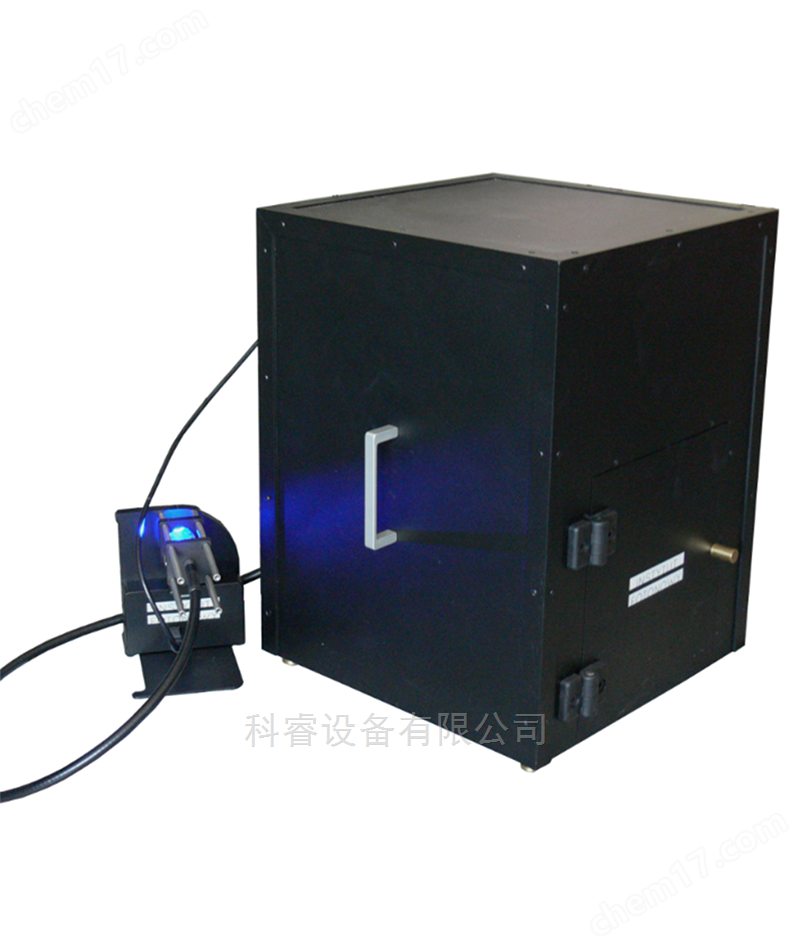
Electrochemical Kelvin probeMeasure the CPD (contact potential difference) value and evaluate the work function of the electrochemical sample in contact with the electrolyte. The measurement of work functions is particularly useful in semiconductor physics because they provide the position of the Fermi level in the material being examined. whenElectrochemical Kelvin probeWhen coupled with a light source, the surface photovoltage (SPV) of the sample can be measured when the dry or wet interface is illuminated. The electrochemical Kelvin probe is equipped with a dedicated electrochemical colorimetric dish. There, the sample floats on the electrolyte. The Kelvin probe approaches the exposed top of the sample. In this way, there is no electrolyte layer at the top of the sample that would affect the measured CPD. However, the bottom of the sample is still in contact with the electrolyte. Light can illuminate the top or bottom of the sample electrolyte interface. Chemical reactions that may occur at the sample electrolyte interface can affect the measurement value of CPD.
Probe module
The probe kit includes:
Controller unit,
Kelvin Probe instrument with probe,
Electrochemical colorimetric dish/
Faraday cage
Electrochemical Kelvin probe instrument equipped with:
After the experiment, a protective groove is used to park the probe. The laser indicator directly indicates the area and helps process the sample when the instrument is covered by a Faraday cage. The laser barrier is used to accurately detect the distance between the probe and the sample. The Golden probe, electrochemical colorimetric dish sample holder, electrochemical colorimetric dish, and sample are placed on top of it.
Electrochemical colorimetric dish
The key component of the electrochemical Kelvin probe is the electrochemical cuvette kit, in which the sample is placed directly on top of the cuvette.
Specifications
Weight: 15 kg,
Size: 40x40x45 centimeters,
PC connection: USB 2.0
Power supply: 230 V, 50 Hz or 115 V, 60 Hz,
Measurement technology: 2-channel lock-in amplifier,
Laser barriers can automatically detect substrates and prevent needle tips from entering the sample,
Auxiliary sensors: humidity, temperature
Small lamp/
Laser indicators for surface indication of inspection points,
Sample rack:
- Freeform solid with top contact bracket,
- Bottom contact bracket,
- Electrochemical scaffolds,
Faraday cage:
Standard/airtight, with inert gas flow system,
Measurement unit:
Bias voltage range: -5 ÷ 5 V,
Voltage measurement resolution: 0.15 mV,
Current range: 300 nA, 30 nA, 3 nA, 300 pA
Probe:
Probe type: Au mesh, diameter 2.5 mm,
Vertical axis needle tip positioning resolution: 20 μ m,
Automatic resonance frequency scanning/
Adjustable oscillation amplitude/
Automatically removed parasitic currents,
Partial transparency of the light source,
Typical CPD measurement distance: 0.2-1 mm,
XY Workbench:
Electric, controlled by software,
Size: 50 x 50 mm,
Mobile range: 50 x 50 mm,
Electrochemical colorimetric dish
Colorimetric dish type: standard/bottom optical element
Electrode type: Ag/AgCl or other,
Electrolyte container material: PTFE,
Sample substrate: Kapton insulating foil with holes or other materials,
Bottom optical colorimetric dish
Fiber optic: liquid waveguide,
Mirror: UV enhanced or customized,
Optical window: fused silica.


