- Phone
-
Address
3rd Floor, 128 Zhongxin Road, Jiuting Town, Songjiang District, Shanghai
Product Categories
Shanghai Shenguang Instrument Co., Ltd
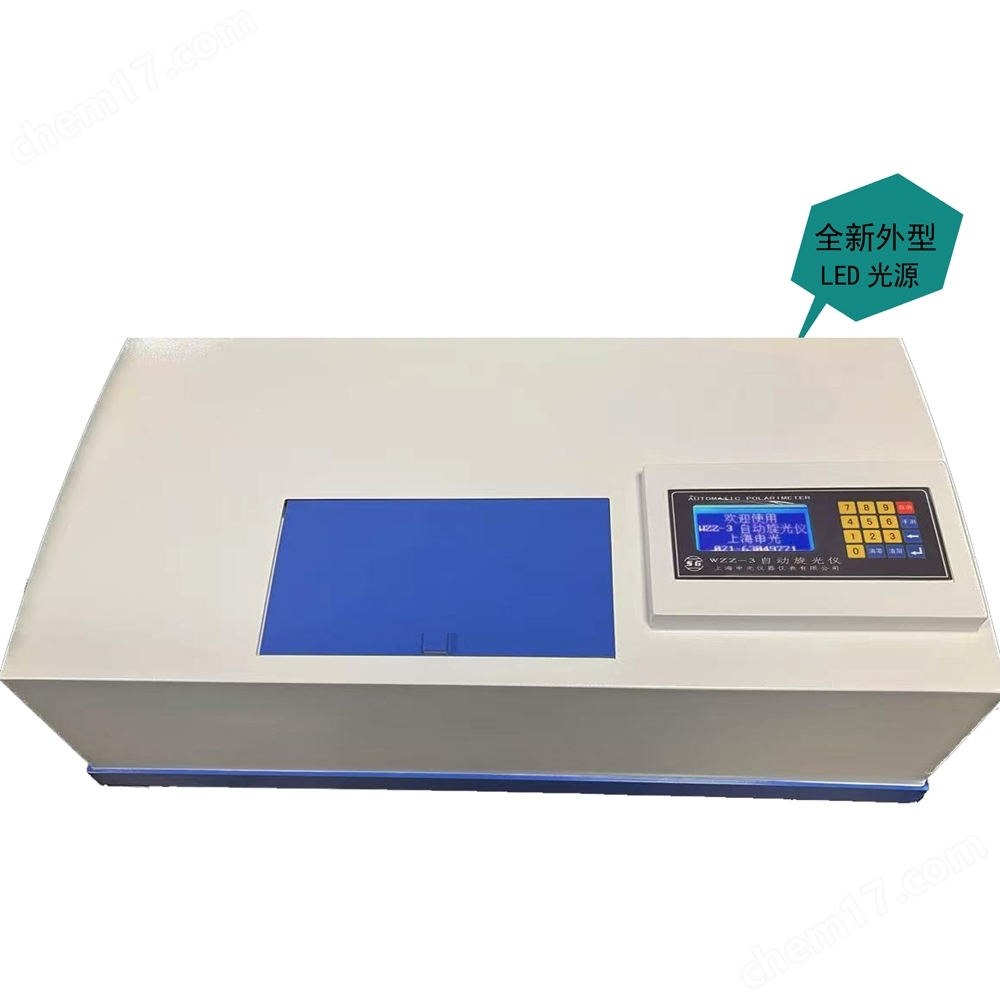
Digital automatic polarimeter/Shanghai Shenguang
NegotiableUpdate on 05/07
- Model
- Nature of the Manufacturer
- Producers
- Product Category
- Place of Origin
Overview
Digital automatic polarimeter is a precision instrument capable of measuring the optical rotation of substances, mainly used to measure the optical rotation properties of solutions or solid samples. Polarity refers to the ability of a substance to rotate light and is an important parameter of its optical activity. It is widely used to identify the purity of a substance, analyze its structure, and monitor the progress of chemical reactions.
Product Details
Digital automatic polarimeter is a precision optical instrument used to determine the optical rotation of substances. It analyzes the concentration, purity, and structural characteristics of substances by measuring the deflection angle of polarized light passing through optically active substances. It is widely used in quality control and scientific research in multiple industries. The instrument integrates optical, electronic, and computer technologies to achieve automation and digitization of the measurement process, improving detection efficiency and data reliability.
1、 Working principle and structural composition
1. Core measurement principle
The instrument is designed based on the optical rotation effect of matter and the principle of optical zero balance. Natural light is converted into plane polarized light through a light source and polarizer. When the polarized light passes through the sample under test, the optically active substance causes the polarization plane to undergo directional rotation. The analyzer receives polarized light after deflection, and the photoelectric sensor converts the change in light intensity into an electrical signal. After digital signal processing, the microprocessor calculates data such as optical rotation, specific rotation, and sugar content. The entire process follows Marius' law, ensuring a stable correspondence between the measurement results and the characteristics of the sample.
2. Key structural modules
Light source system: Long life LED cold light sources are commonly used to provide monochromatic stable incident light, reduce preheating waiting, and extend the service life.
Optical components: including high-purity polarizer, analyzer, and Faraday magneto optic modulator, ensuring the quality and modulation accuracy of polarized light.
Photoelectric detection unit: composed of high-sensitivity photoelectric sensors and signal processing circuits, it quickly captures changes in optical signals and converts them into digital signals.
Control and Display System: Built in microprocessor completes data calculation, automatic calibration, and result output, combined with digital display screen to visually present measurement data.
Sample Room: Design a precise sample tube placement area, with some models integrated with temperature control modules to stabilize the sample measurement environment.

2、 Core performance characteristics
1. Measurement automation
The instrument achieves full process automatic operation and can automatically calibrate the optical path and zero point after startup. After placing the sample, it automatically completes polarization adjustment, signal acquisition, angle calculation, and data display. No need for manual judgment of the balance point, eliminating human reading errors and improving measurement consistency.
2. Digitization of data
The measurement results are presented directly in digital form and support switching between multiple units such as optical rotation, specific rotation, concentration, and sugar content. Built in data storage function, capable of recording multiple sets of measurement data for easy historical query and comparison. Some models have data interfaces that can be connected to external devices for data transmission and management.
3. Operational stability
The optical system adopts precision prisms and stable light sources to reduce the impact of environmental interference on measurement. Optimize the signal processing flow in circuit design, reduce signal noise, and improve measurement repeatability. The temperature control system can stabilize the sample temperature and reduce measurement deviation caused by temperature fluctuations.
4. Convenient operation
The interface design is simple and intuitive, and the button layout is reasonable. The operation steps are simplified, and users can independently complete the measurement after basic training. The instrument has a fault self checking function, which automatically prompts when there is an abnormal state, making it easy to maintain and troubleshoot.
3、 Main application areas
1. Pharmaceutical industry
Used for purity testing of pharmaceutical raw materials and finished products, determining the optical rotation of antibiotics, vitamins, glucose and other components, in compliance with pharmacopoeia testing standards. Assist in controlling the quality of drugs to ensure stable efficacy.
2. Food industry
Used for sugar content and purity analysis of products such as sugar, honey, dairy products, etc. Monitor changes in ingredients during the food production process to ensure product quality and safety.
3. Chemical industry field
Detect the optical rotation characteristics of essence, flavors and organic synthetic products, and analyze the structure and purity of the substances. Provide data support for optimizing chemical synthesis processes and controlling product quality.
4. Research and Education
As experimental equipment for universities and research institutions, it is used for the research of optical active substances, the development of new materials, and teaching experiments. Assist researchers in exploring the correlation between material structure and optical properties.
5. Other fields
Covering industries such as spices, petroleum, biochemistry, and hygiene, completing tasks such as mineral oil analysis, amino acid testing, and clinical component analysis.
4、 Key points for use and maintenance
1. Standardize the operation process
Preheat the device before measurement and wait for the instrument to automatically calibrate.
Select a clean and scratch free sample tube and inject the test sample without bubbles.
Place the sample tube correctly to ensure a smooth optical path.
Select the corresponding measurement mode, start automatic measurement, and wait for the results to stabilize before recording the data.
2. Daily maintenance matters
Keep the appearance of the instrument clean and prevent dust and liquids from entering the interior.
Regularly clean optical components and use specialized tools and reagents for wiping.
Clean and dry the sample tube promptly after use, and store it properly.
Avoid severe vibration of the instrument and place it in a stable, dry, and dark environment.
Regularly conduct calibration checks to ensure measurement accuracy.
Similar Product Recommend