-
E-mail
18612919058@163.com
-
Phone
18612919058
-
Address
No. 86 Wanxing Road, Changyang, Fangshan District, Beijing
Product Categories
- Dielectric strength tester
- Breakdown voltage testing machine
- Cheng Kong Ultra High Voltage Tester
- Voltage breakdown tester
- Surface resistivity tester
- Insulation material volume resistivity tester
- Differential scanning calorimeter
- Carbon black content tester
- Touch screen voltage breakdown tester
- Insulation oil chromatograph
- Dielectric breakdown strength tester
Beijing Zongheng Jinding Instrument Equipment Co., Ltd

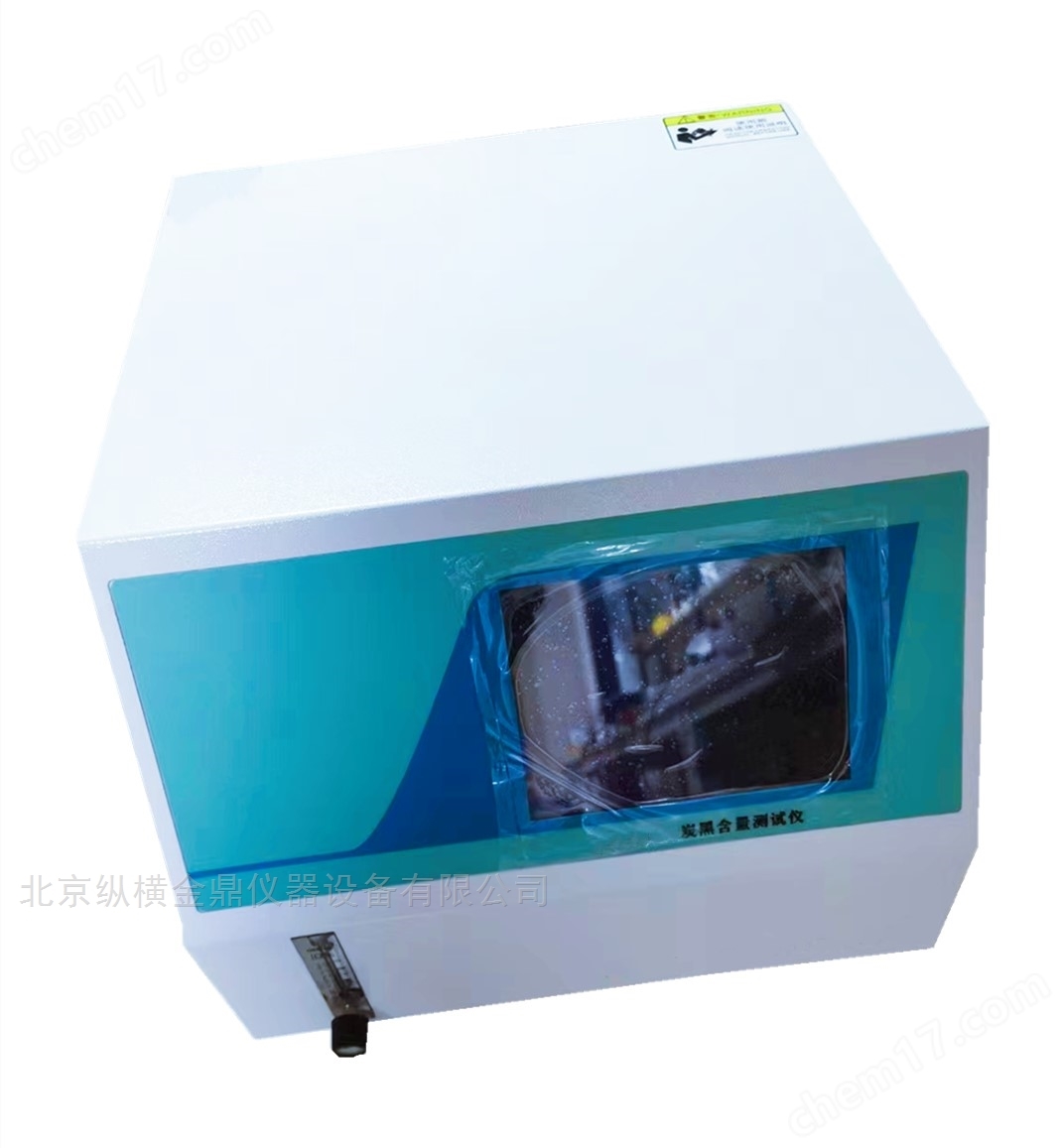

Differential Scanning Calorimeter (DSC)
NegotiableUpdate on 01/12
- Model
- Nature of the Manufacturer
- Producers
- Product Category
- Place of Origin
Overview
Differential Scanning Calorimeter (DSC) is a thermal analysis instrument. It is a technique for measuring the energy difference between a substance and a reference substance per unit time as a function of temperature under program-controlled temperature. DSC is mainly used to study the physical and chemical changes of materials during heating or cooling processes, and is widely used in fields such as materials science, chemical engineering, food, and medicine
Product Details
Differential Scanning Calorimeter (DSC)Belonging to thermal analysis instruments. It is a technique for measuring the energy difference between a substance and a reference substance per unit time as a function of temperature under program-controlled temperature. DSC is mainly used to study the physical and chemical changes of materials during heating or cooling processes, and is widely used in fields such as materials science, chemical engineering, food, and medicine
.
Differential Scanning Calorimeter (DSC)working principle
DSC works by measuring the thermal difference between the sample and the reference material. During the experiment, the sample and reference substance were heated or cooled under the same temperature program, and the DSC recorded the difference in heat between the two. Based on this difference, thermodynamic properties such as phase transition temperature, melting heat, and crystallization heat of the material can be analyzed.
Application field
DSC has a wide range of applications in multiple fields:
Materials ScienceUsed for studying the thermal stability, phase transition behavior, etc. of materials.
chemical industryAnalyze the thermal effects of chemical reactions, such as polymerization reactions, decomposition reactions, etc.
Food ScienceStudy the glass transition temperature, crystallinity, and other properties of food.
medicineEvaluate the thermal stability of drugs, determine melting points, etc.
operation steps
Power on inspectionEnsure the instrument is functioning properly and prepare an empty crucible.
sample preparationPrepare the sample according to the specified size and weigh the mass of the empty crucible and sample.
Set parametersSet a reasonable heating rate, temperature, and constant temperature time based on the material characteristics, and connect to a computer.
Place the samplePlace the sample on the right side of the furnace balance, place an empty crucible on the left side, and cover it with a lid.
Start the experimentStart the software, collect real-time test spectra, and analyze the data after the experiment is completed


