- Phone
-
Address
Shanghai
Product Categories
Ji Yin (Shanghai) Biotechnology Co., Ltd
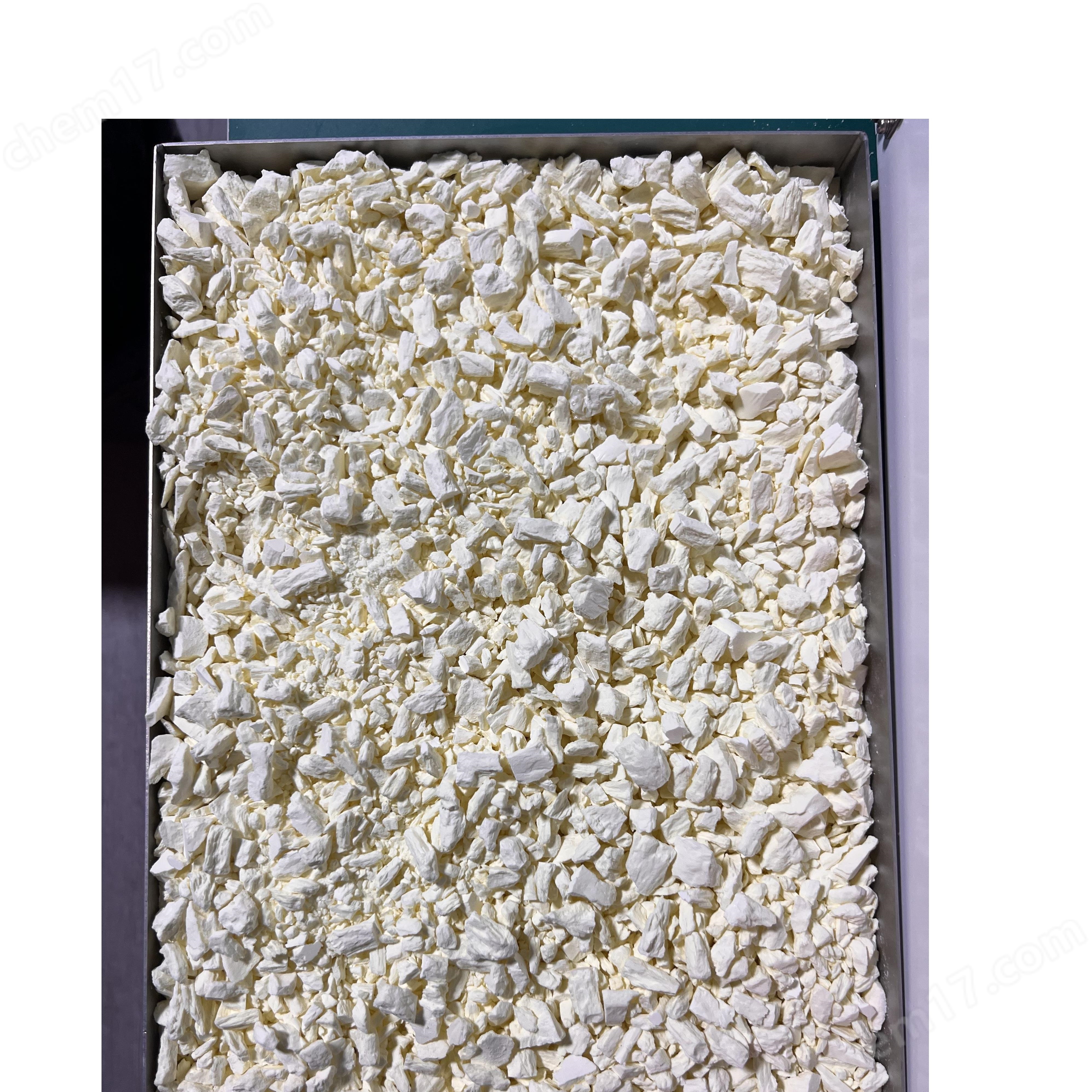


Development services for big health freeze-dried products
NegotiableUpdate on 05/07
- Model
- Nature of the Manufacturer
- Producers
- Product Category
- Place of Origin
Overview
Ji Yin Freeze Drying Laboratory has professional freeze-drying technology talents and upstream and downstream freeze-drying preparation and testing equipment, which can provide customers with development services for large health freeze-drying products (such as probiotics, extracts, etc.), including freeze-drying process development, freeze-drying key temperature testing, freeze-drying formula development, freeze-drying protective agent development, freeze-drying OEM, freeze-drying process scale-up production, freeze-drying system technical support, including but not limited to system assessment and freeze-drying document technical support.
Product Details
Big health freeze-dried products(Probiotics and extracts)Introduction to Development Services
1、 Development of protective agents and excipients
1. Development of protective agents
Protective agents are key components in preventing the denaturation and inactivation of active components during the freeze-drying process, and their selection and optimization directly affect the quality of freeze-dried products. The development of protective agents for big health freeze-dried products should follow the following principles:
lTargeted screeningChoose the appropriate protective agent based on the type of health product (such as probiotics, plant extracts, collagen, nanomaterials, etc.). For example:
lExperimental MethodUsing a combination of single factor screening and orthogonal experiments to determine the types and concentrations of excellent protective agents. For example, evaluating the protective effect of probiotics through live bacterial counting, evaluating the protective effect of plant extracts through particle size analysis and encapsulation efficiency determinationZeta potential measurement to evaluate the stability of nano formulations.
lcollaborative optimizationComposite protective agents are more effective than single components. Research has shown that adding glycerol can increase the collapse temperature of products from-Raise the temperature from 31 ℃ to -24 ℃ to shorten the freeze-drying time and improve drying efficiency. In the freeze-drying of probiotics, soluble starch and β - cyclodextrin have better protective effects, manifested as a full and non collapsing appearance, delicate and bright color, no precipitation after reconstitution, and no degradation of active ingredients.
2. Development of excipients
The main function of excipients is to support the physical structure of freeze-dried products, giving them good shape and mechanical strength, making them easy to transfer and store.
lCommon excipients: Glycol, maltodextrin, lactose, glycolic acid, trehalose, glucose, polyvinylpyrrolidoneAmong them, glycerol is widely used in freeze-drying of skincare products, with concentrations typically ranging from 65% to 68% (W/W) to form freeze-dried microspheres of uniform size and morphology with low moisture absorption.
lScreening criteriaIt is necessary to meet both physical support requirements (such as freeze-dried bead forming and uniform color) and reconstitution efficiency requirements (such as short reconstitution time and no precipitation), while not affecting the detection or performance after reconstitution.
lCollaborative DevelopmentExcipients and protectants need to be optimized synergistically. For example, adding glycolic acid can improve the plasticity of biological products, increase the collapse temperature of the products, thereby allowing for the use of higher shelf temperatures during a drying stage and shortening the freeze-drying cycleIn freeze-drying skincare products,Adjusting the pH value of HA/PGA solution to 7 can achieve better freeze-drying structure and reconstitution performance.
2、 Freeze dried sample testing
Freeze dried sample testing is a key step in evaluating the effectiveness of freeze-drying processes, mainly including the following aspects:
1. Dissolution efficiency test
The efficiency of reconstitution is directly related to the user experience and functionality of the product, and the testing indicators include:
lDissolving timeRecord the time required for the dissolution of freeze-dried samples, such as the requirement for hydroxytyrosol nanoliposome freeze-dried powderDissolve into a uniform suspension within 1 minute without any insoluble particles or clumps.
lUniformity of reconstitutionBy visual observation or instrument detection of the uniformity of the dissolved sample, such as the absence of sediment or clumps after reconstitution of probiotic freeze-dried powder.
lRedispersibilityEvaluate the dispersion state of freeze-dried products after reconstitution, such as maintaining good dispersibility and stable particle size distribution after reconstitution of nano formulations.
2. Activity retention rate test
The activity retention rate is a core indicator for evaluating the quality of freeze-dried products, and the testing method varies depending on the product type
lProbiotic productsThe change in viable cell count before and after freeze-drying is determined by the viable cell counting method, and the calculation formula is: survival rate(%)=(viable bacteria count after freeze-drying/viable bacteria count before freeze-drying) × 100%.
lplant extractUsing high-performance liquid chromatographyHPLC is used to determine the changes in the content of active ingredients before and after freeze-drying, such as the mass fraction determination of PNS and Sanqi extract in Sanqi freeze-dried products.
lnano-formulationThrough transmission electron microscopyObserve the morphological changes of nanoparticles before and after freeze-drying using TEM, and evaluate the stability after freeze-drying by measuring Zeta potential.
lskincare productsTesting the effectiveness of skin repair (such asRepair effect of EGF freeze-dried powder) or transdermal permeability (such as the transdermal permeability of coffee yin freeze-dried facial mask) to evaluate the activity retention after freeze-drying.
3. Morphological stability test
Morphological stability affects the physical properties and storage stability of freeze-dried products:
lObservation under freeze-drying microscopeReal time monitoring of sample structure changes during freeze-drying process and evaluation of collapse temperature.
lscanning electron microscope(SEM) analysisObserve the microstructure of freeze-dried products, such as the surface morphology and pore structure of freeze-dried beads.
lMechanical strength testingEvaluate the compressive strength and brittleness of freeze-dried products, such as freeze-dried beads that need to undergo compressive testing to ensure that they are not easily broken during packaging.
lDetermination of moisture content and water activityThe Karl Fischer method is used to determine the moisture content, and the water activity meter is used to measure the water activity to ensure the moisture content of the product≤ 3%, water activity within the range of 0.03~0.1.
3、 Freeze drying key temperature test
The key temperature test for freeze-drying is the basis for determining the freeze-drying curve, which mainly includes the following parameters:
1. Eutectic point test
The eutectic point refers to the temperature at which all moisture in the material freezes, and is a key parameter in the pre freezing stage of the freeze-drying process
lDSC thermal analysis methodMeasured by differential scanning calorimeter, such asThe eutectic point of 5-azacytidyl-D-glycerol solution is -6.54 ℃.
lresistance methodWhen the freezing temperature of the material drops to a certain value, the material freezes completely, and the resistance suddenly increases, this temperature is the eutectic point.
2. Common melting point test
The eutectic point refers to the temperature at which the frozen material begins to melt, and is a key parameter in the first drying stage of the freeze-drying process
lDSC thermal analysis methodMeasured by differential scanning calorimeter, such asThe eutectic point of 10% IMO solution is -2.6 ℃.
lFreeze drying microscopy methodBy observing the structural changes of the sample during the freeze-drying process, determine the temperature at which ice crystals begin to melt.
3. Glass transition temperature test
Glass transition temperature(Tg ') refers to the temperature at which an amorphous system transitions from a glassy state to an rubbery state, and is a key parameter in the pre freezing and analytical drying stages of the freeze-drying process
lDSC thermal analysis methodMeasured by differential scanning calorimeter, such asThe glass transition temperature of GGT reagent is -18.75 ℃.
lFreeze drying microscopy methodBy observing the structural changes of the sample during the freeze-drying process, determine the temperature at which the solute phase transitions from the glassy state to the rubbery state.
4. Collapse temperature test
Collapse temperature refers to the critical temperature at which freeze-dried products lose their rigidity during the drying process, begin to become sticky, and undergo collapse like disintegration, melting, or foaming phenomena:
lFreeze drying microscopy method: UseThe Linkam FDSC-196 freeze-drying microscope system is equipped with a liquid nitrogen cooling system, a programmable temperature controller, and a vacuum pump. The temperature is raised at a rate of 2 ℃/min to observe the temperature at which the sample structure is locally lost (Toc) and the temperature at which it is completely lost (Tfc).
lDielectric analysis methodDetermining collapse temperature through changes in dielectric properties.
lDSC combined with freeze-drying microscope methodObserving the structural changes of the sample through freeze-drying microscopy, combined withDetermine the collapse temperature based on the heat flow curve measured by DSC.
Example of Key Temperature MeasurementThe freeze-dried physical parameters of highly active probiotic fermented goji berry powder are: melting point-5.28 ℃, crystallization point -19.59 ℃, glass transition temperature -31.82 ℃, and disintegration temperature of approximately -36 ℃. Based on these parameters, the pre freezing temperature is determined to be -40 ℃, the pre freezing time is 4 hours, and the temperature during the sublimation drying stage is -30 ℃.
4、 Development and optimization of freeze-drying curve
Based on the key temperature test results, design a freeze-drying curve and optimize the temperature and time of sublimation and analytical drying stages:
1. Design principles for freeze-drying curve
lPre freezing stageThe lowest temperature should be determined based on the eutectic point (usually below the eutectic point)10-20 ℃) and control the cooling rate (quick freezing or slow freezing). For example, the pre freezing temperature for probiotic fermented goji berry pulp is -40 ℃, and the pre freezing time is 4 hours to ensure that the material is completely frozen.
lOne drying (sublimation drying)The temperature should be lower than the melting point (e.g-5.28 ℃) but higher than the collapse temperature (such as -36 ℃), the vacuum degree is controlled at 10-30 Pa, and the heating rate is usually 2 ℃/min. The freeze-drying sublimation temperature of the heat-resistant live vaccine for swine fever is set to -30 ℃, which is lower than the melting point of -27.51 ℃ but higher than the collapse temperature of -31 ℃.
lSecondary drying (analytical drying)Slowly raise the temperature above the glass transition temperature (e.g-31.82 ℃) to ensure the removal of residual moisture. For example, the freeze-drying and analytical drying temperature of glycyrrhetinic acid liposomes is set to 25 ℃, which is higher than Tg '-17 ℃.
2. Optimization strategy for freeze-drying curve
lApplication of mathematical modelsUsing freeze-drying heat and mass transfer models (such asPage model and finite element model are used to predict the freeze-drying process and reduce the number of experiments. For example, the freeze-drying process of fern can predict moisture changes through the Page model, shortening the development cycle.
lexperimental verificationConfirm the endpoint of freeze-drying through methods such as pressure rise testing and plate temperature uniformity verification. For example, the freeze-drying curve of Lifuping freeze-dried powder injection was optimized through single factor experiments, and the optimal parameter was determined to be the pre freezing temperature-40 ℃, sublimation drying temperature -12 ℃, and re drying temperature of 40 ℃.
lParameter adjustment logic:
nPre freezing stageThe temperature should be below the eutectic point10-20 ℃, the insulation time should be sufficient to eliminate the temperature difference and achieve consistent temperature between the inner and outer layers of the sample.
nSublimation stageThe temperature is controlled between the melting point and the collapse temperature. If the temperature is higher than the melting point, the product will melt and dry shrinkage will occur; If the temperature is lower than the collapse temperature, the sublimation rate decreases and the drying time is extended.
nAnalysis stageThe temperature needs to be higher thanTg 'is used to remove bound water, usually for 1/3 of the sublimation stage. The drying process is completed when the sample temperature and shelf temperature converge.
Example of freeze-drying curve optimizationThe heat-resistant live vaccine for swine fever was tested for its eutectic pointBy designing a freeze-drying curve with a temperature of -27.51 ℃ and a collapse temperature of -24.3 ℃, the freeze-drying time was successfully shortened to 24 hours, and the freeze-drying and heat resistance losses were reduced to 0.30 lg and 0.45 lg, respectively, which is superior to traditional processes.
5、 Design of production scaling up plan
Scaling up production from small to large quantities isDevelopment services for big health freeze-dried productsThe following factors need to be considered in the critical process:
1. Small scale trial production (laboratory level)
lDevice Selection:A freeze-drying machine with a freeze-drying area of 0.1 square meters, such as the Ji Yin LGJ-18C freeze-drying machine, is suitable for small-scale research and validation.
lProcess ValidationConfirm the endpoint of freeze-drying and verify the rationality of the freeze-drying curve through methods such as pressure rise testing and plate temperature uniformity verification.
lsample testingFocus on testing the activity retention rate, reconstitution efficiency, and morphological stability of freeze-dried products, providing basic data for pilot production.
2. Pilot production (pilot level)
lEquipment upgrade:A freeze-drying machine with a freeze-drying area of 1 square meter, such as the Yin LYO-1 freeze-drying machine, is suitable for medium scale production validation.
lProcess parameter adjustmentAdjust the freeze-drying curve based on the amplification effect, such as optimizing the freeze-drying process parameters of urinary copper for injection, and changing the freeze-drying cycle from the originalReduced from 22 hours to 18.5 hours.
lBatch consistency verificationEnsure stable product quality through multiple batches of testing, such as controlling the difference in the loading amount of freeze-dried beads withinWithin ± 3%, the fluctuation of active ingredient retention rate should be controlled within ± 5%.
lEstablishment of Quality Control SystemEstablish a complete quality control process, including original liquid quality control, filling process control, freeze-drying process monitoring, and finished product testing, etc.
3. Large scale production (industrial grade)
lEquipment selection:An industrial grade freeze-drying machine with a freeze-drying area of 5 square meters must meet GMP compliance requirements, such as cold trap temperature ≤ -60 ℃, ultimate vacuum degree ≥ 15 Pa, and good plate temperature uniformity (temperature difference<2 ℃).
lprocess optimizationUsing mathematical models (such as equivalent resistance models, finite element models) to guide process parameter adjustments and reduce the number of amplification experiments.
lquality controlEstablish a comprehensive quality control system, including original liquid quality control, filling process control, freeze-drying process monitoring (such as shelf temperature, vacuum degree, product temperature), and finished product testing (such as active ingredient retention rate, moisture content, reconstitution efficiency), etc.
lVerification methodAdopting layered coating process or unsaturated porous medium technology, combined with response surface methodology to determine the acceptable range of parameters, to ensure consistent product quality after amplification.
Production amplification example: Coffee yin facial mask freeze-drying process passedHunter method and central composite design response surface method were used to optimize the freeze-drying parameters of layered coating, and the acceptable ranges of coating layers, layer thickness and coating speed were determined to be 2-4 layers, 0.5-1.2mm and 1-5m/min, respectively, with the excellent values of 3 layers, 0.5mm and 3mm. After optimizing the process, the permeability of coffee yin in the three batches of facial mask for 20 minutes exceeded 10%, which realized the successful amplification from laboratory to industrial production.
1. Fill out the freeze-drying development requirement document (confidentiality agreement can be signed)
2. Provide samples (using scientific packaging methods, it is recommended to use high-density insulated boxes with ice packs for biological products)
3. Confirm technical proposal and quotation
4. Sign the 'Freeze Drying Technology Development Contract'
5. Regularly communicate progress during the development process
6. Acceptance of development results (with experimental report attached)
Similar Product Recommend