-
E-mail
chinarel@163.com
-
Phone
18015536306
-
Address
No. 7 Changsheng Industrial Park, Jiancheng Road, Rennan Village, Zhitang Town, Changshu City, Jiangsu Province
Product Categories
Heatwave Electric Heating Technology (Suzhou) Co., Ltd
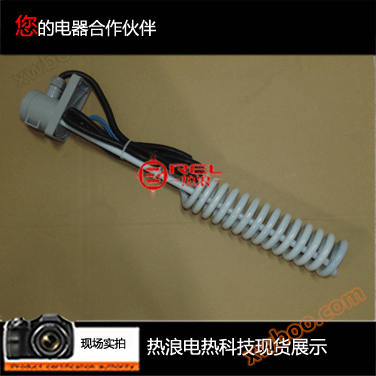
Corrosion resistant strong acid alkali electric heating tube
NegotiableUpdate on 08/07
- Model
- Nature of the Manufacturer
- Producers
- Product Category
- Place of Origin
Overview
Corrosion resistant heaters have the characteristic of strong acid and alkali resistance. Based on the corrosion characteristics of the medium solution, materials such as SUS316, titanium alloy, and fluoroplastic can usually be selected. Common styles include spiral, L-shaped, U-shaped, W-shaped, mosquito coil type, combination type, etc. In order to facilitate temperature control, overheating protection, and extend the service life of the heating tube, the temperature control element can be placed in the hollow temperature measurement hole of the flange heating tube, and then connected to the control system.
Product Details
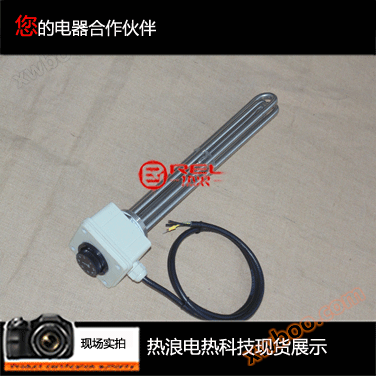
380V temperature controlled PTFE heating tube, corrosion-resistant electric heating tube


The pictures, prices, and attributes are for reference only. Please refer to the actual product for details. Please feel free to inquire by phone or on Wangwang before placing an order!


5kw Teflon heating tube 380V temperature control Teflon heating tube corrosion-resistant electric heating tube factory direct sales
Corrosion resistant heater (for liquids)
Product Overview:
Corrosion resistant heaters have the characteristic of strong acid and alkali resistance. Based on the corrosion characteristics of the medium solution, materials such as SUS316, titanium alloy, and fluoroplastic can usually be selected. Common styles include spiral, L-shaped, U-shaped, W-shaped, mosquito coil type, combination type, etc. In order to facilitate temperature control, overheating protection, and extend the service life of the heating tube, the temperature control element can be placed in the hollow temperature measurement hole of the flange heating tube, and then connected to the control system.
Product Usage:
Corrosion resistant heating tubes are used in environments where ordinary heating tubes cannot be used, such as strong acidic and alkaline solutions such as sulfuric acid, hydrochloric acid, nitric acid, sodium hydroxide, etc; Electrolytic nickel, chromium (chloride) and other chemical reagent solutions. Especially titanium heating tubes and PTFE heating tubes, which have good resistance to strong acid and alkali, have been widely used in industries such as electroplating, plate making, and chemical engineering.
Design and production parameters:
Outer pipe diameter: Φ 6~Φ 67
Sheath material: SUS304, SUS316, titanium, PTFE Incoloy800
Surface treatment: polishing, spraying, electroplating
Operating voltage: 220V, 220V-3P, 380V, 380V-3P, 415V-3P
Common power: 1.0kW~36 kW
Selection Guide
Before designing and ordering, users must have a clear understanding of the characteristics of the heated medium, and choose a suitable heater based on its characteristics. Do not use it arbitrarily. If you are unsure, please refer to the design and production parameters and inform us of the following information. We will provide the best design services and products according to your needs.
Notify information:
1. Characteristics and operating temperature of heating medium;
2. Power and voltage used (including phase lines);
3. Installation method of heating tube (horizontal or vertical);
4. Heating tube length and heating length;
5. Special requirements for the shape of the heating tube material;
Similar Product Recommend