Welcome Customer !

Membership

Help

Tianjin Xinyue Huamei Environmental Protection Technology Co., Ltd
Custom manufacturer

Main Products:

instrumentb2b>Products

Tianjin Xinyue Huamei Environmental Protection Technology Co., Ltd

  • E-mail

    xinyuehuamei@163.com

  • Phone

    15022775989,18033666390

  • Address

    Creative Center of Binhai Private Economic Growth Demonstration Base, Gegu Town, Jinnan District, Tianjin City

Contact Now

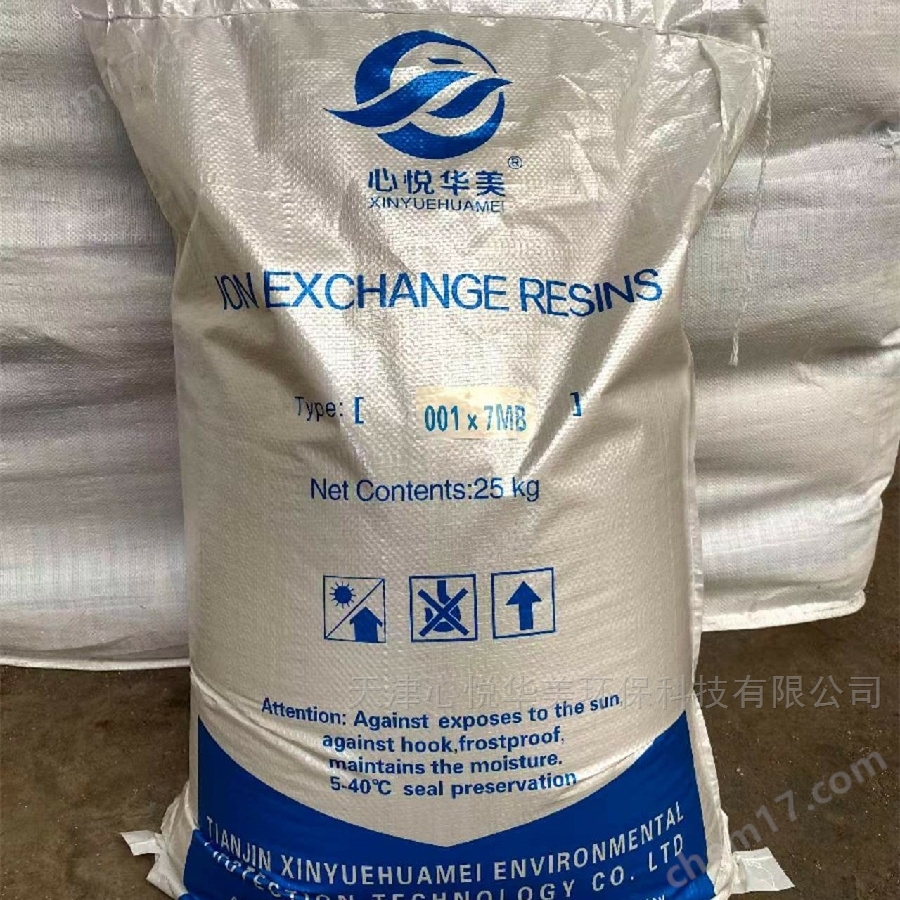
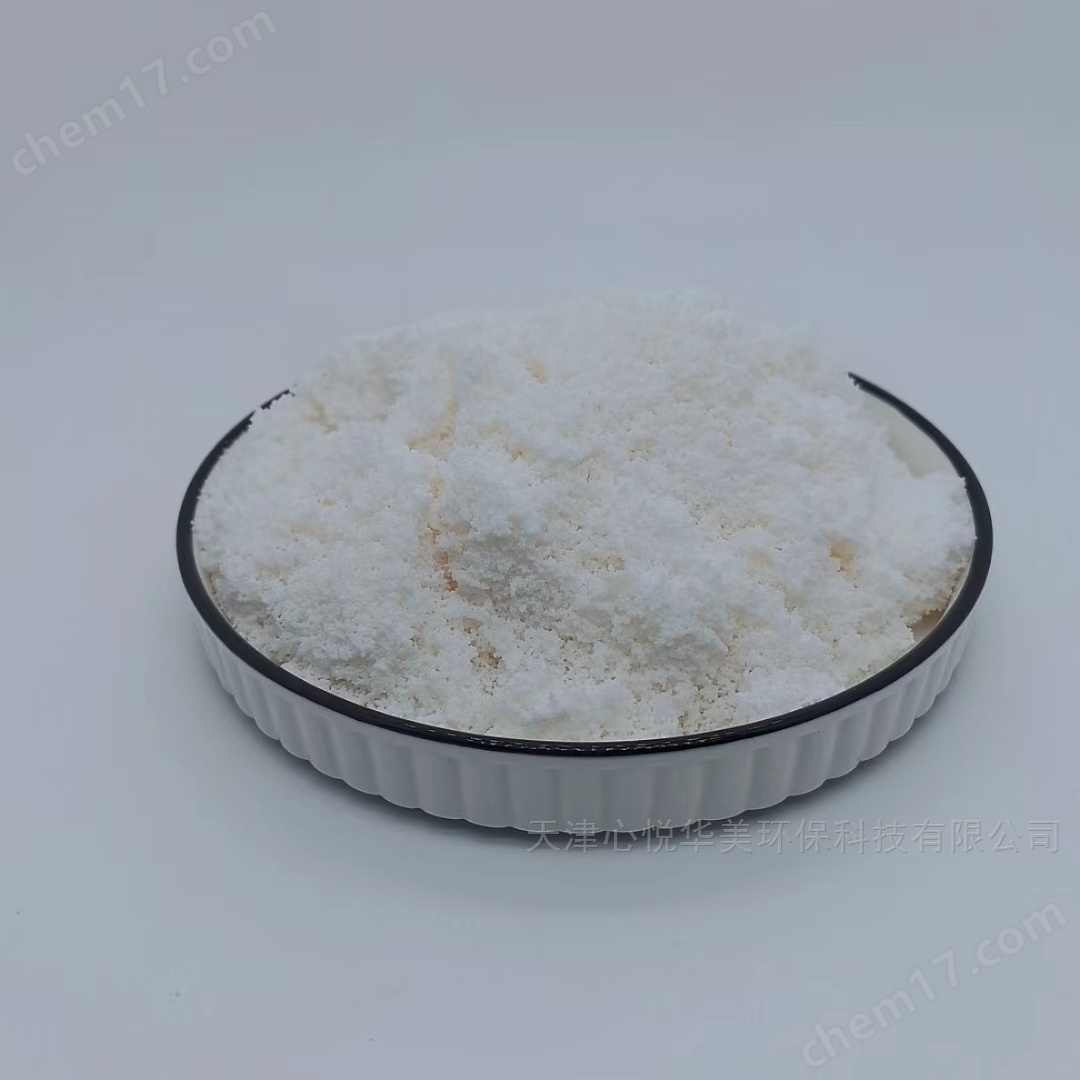
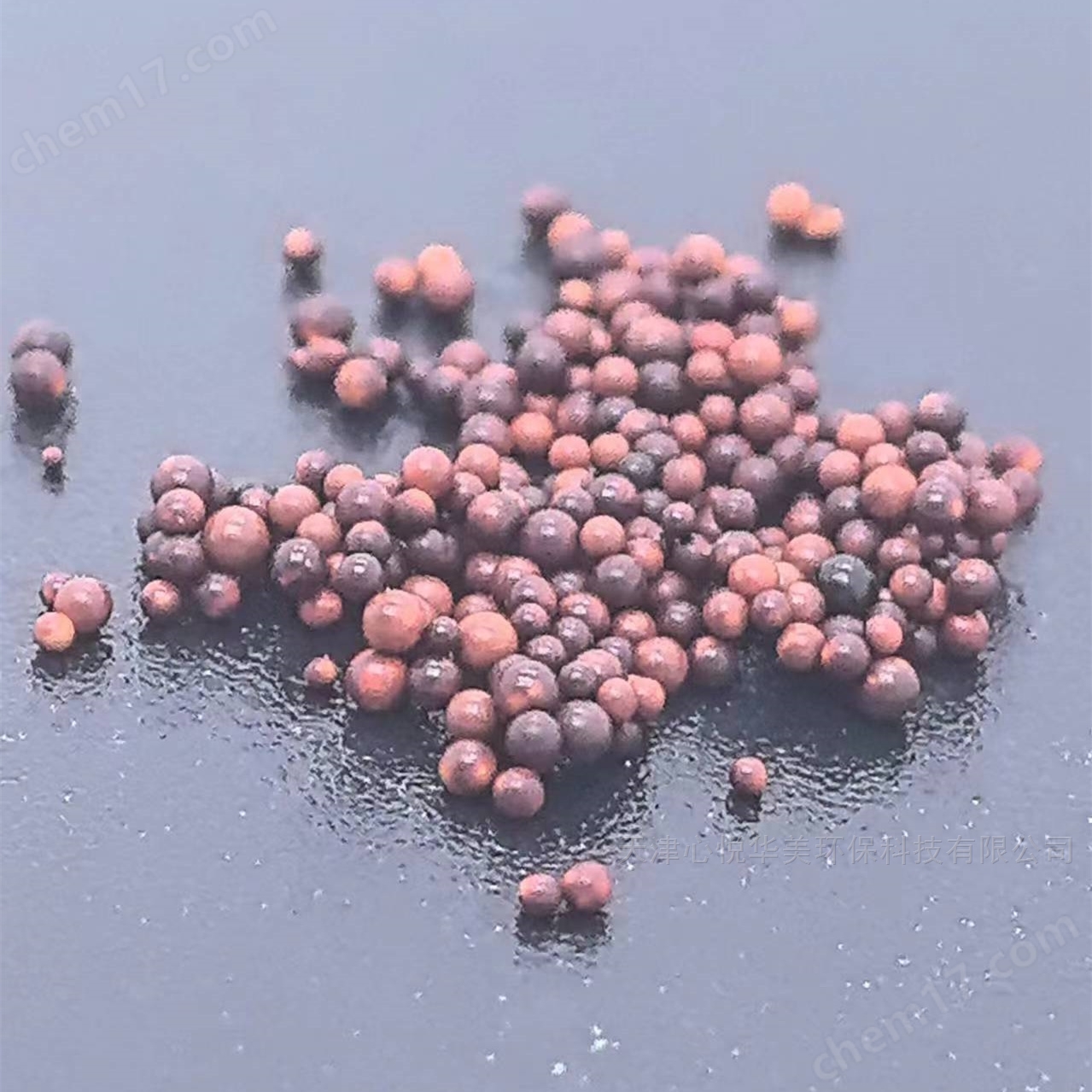
Common experimental reagents for strong acidic cation exchange resin water treatment

NegotiableUpdate on 12/15
Model
Nature of the Manufacturer
Producers
Product Category
Place of Origin
Overview
Introduction to common experimental reagents for water treatment of strong acid cation exchange resin: $r $n001X7 strong acid cation resin is a gel type ion exchange resin with sulfonic acid group (- SO ≮ H) based on styrene divinylbenzene copolymer. Its acidity is equivalent to sulfuric acid and hydrochloric acid, and it has high exchange capacity, fast ion exchange rate and good mechanical strength.
Product Details

Tianjin Xinyue Huamei Environmental Protection Technology Co., Ltd
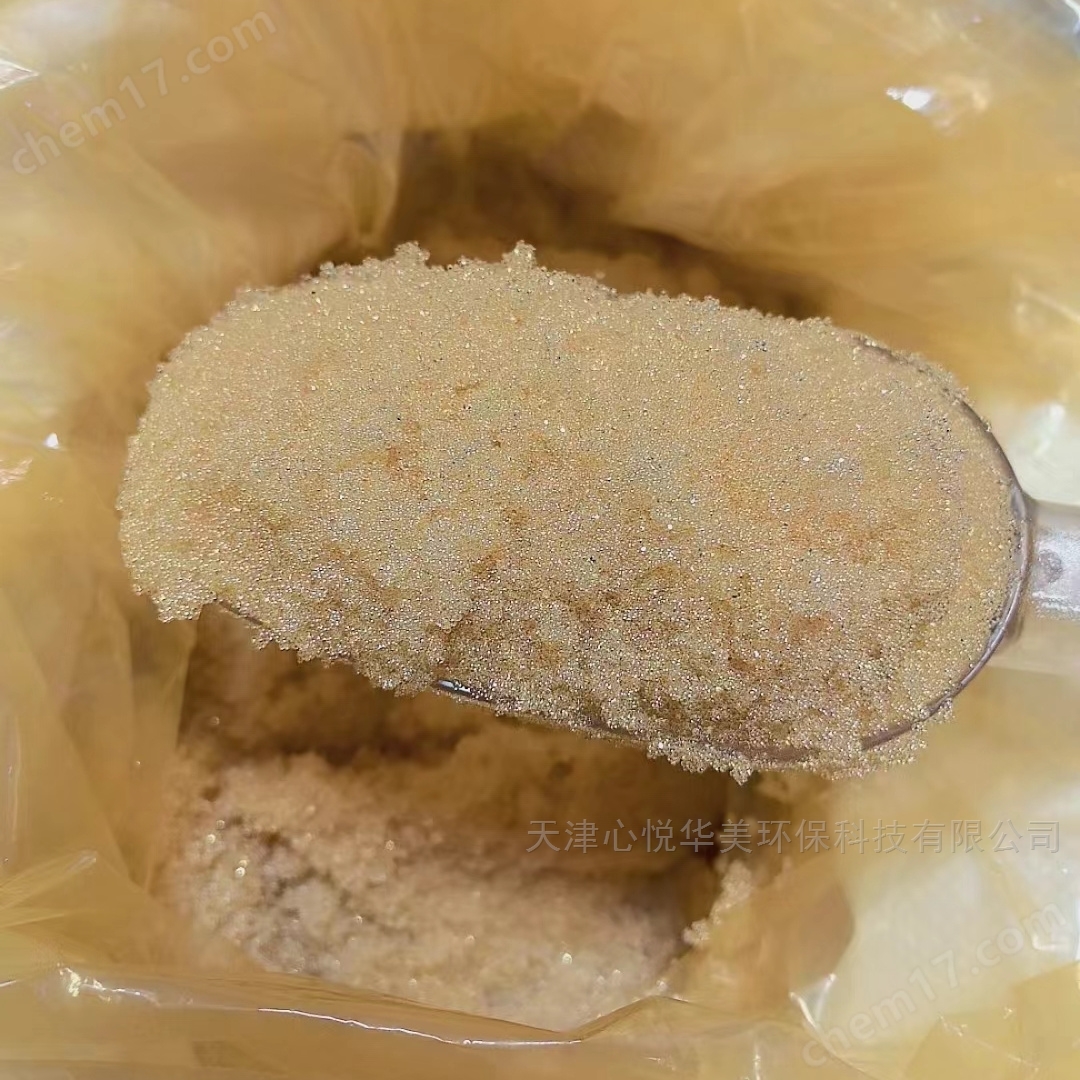

Common experimental reagents for strong acidic cation exchange resin water treatment

1、 Structure and Performance

  1. chemical structureThe resin is polymerized from styrene and 7% crosslinking agent divinylbenzene, forming a three-dimensional network structure, and introducing sulfonic acid groups on the benzene ring through sulfonation reaction. This structure endows the resin with a rigid skeleton and strong acidic exchange sites, enabling it to work stably within a wide pH range (1-14).
  2. key parameters
    • exchange capacityFull exchange capacity ≥ 4.5 mmol/g (dry resin), volume exchange capacity ≥ 1.90 mmol/ml, significantly higher than similar products.

    • water content45% -50%, ensuring the diffusion efficiency of ions inside the resin.

    • densityThe wet true density is 1.25-1.29 g/ml, and the wet visual density is 0.77-0.87 g/ml, which is convenient for filling and backwashing the resin layer.

    • heat resistanceHydrogen type resin can be used at a maximum temperature of 100 ℃, while sodium type can reach up to 120 ℃, making it suitable for medium to high temperature environments.

    • Selective orderThe affinity for cations is Fe ³ ⁺>Al ³ ⁺>Ca ² ⁺>Mg ² ⁺>K ⁺>Na ⁺>H ⁺, prioritizing the exchange of high valence ions.

2、 Application Fields

  1. water treatment
    • water softeningBy exchanging and removing Ca ² ⁺ and Mg ² ⁺, it is widely used in boiler feedwater, industrial circulating water, and household water softeners. For example, thermal power plants use this resin to prevent boiler scaling and improve thermal efficiency.

    • Desalination and Pure Water PreparationWhen combined with anion exchange resin, high-purity deionized water can be produced to meet the needs of industries such as electronics and pharmaceuticals.

  2. Chemical Engineering and Catalysis
    • Organic synthesis catalysisAs a solid acid catalyst, it is used for esterification, alcohol etherification, olefin polymerization and other reactions. For example, catalyzing the synthesis of benzoic acid and ethanolEthyl ester improves reaction rate and yield.

    • hydrometallurgySelective adsorption of precious metal ions from mineral slurry to achieve resource recovery.

  3. Food and pharmaceuticals
    • Desalination and decolorization of sugar solutionRemove metal ions and pigments from sugar solution to improve product purity.


3、 Regeneration and maintenance

  1. Regeneration method
    • Downstream regenerationThe failed resin is first passed through a 5% -10% hydrochloric acid solution at a flow rate of 5-8 m/h, with a dosage of 70-80 g/mol (calculated as H ⁺), and a contact time of 30-60 minutes to convert the resin into a hydrogen form.

    • countercurrent regenerationCan reduce the amount of regenerant and improve efficiency, suitable for scenarios with high water quality requirements.

    • Washing in progressAfter regeneration, rinse with clean water at a flow rate of 10-20 m/h until the effluent pH is 5-6 and the hardness is less than 5 mmol/L.

  2. Preprocessing and Storage
    • New resin treatmentSoak in saturated saline solution (18-20 hours), remove impurities with 2% -4% NaOH solution, and activate with 5% HCl to remove residual impurities.

    • Storage conditionsKeep it moist and avoid drying or freezing. Long term storage should be converted to salt type, soaked in 10% saline solution, and stored at a temperature of 5-40 ℃.

    • Common experimental reagents for strong acidic cation exchange resin water treatment