- Phone
-
Address
1st Floor, Building 2, No. 221 Shenzhuan Road, Qingpu District, Shanghai
Product Categories
Shanghai Yanqi Biotechnology Co., Ltd
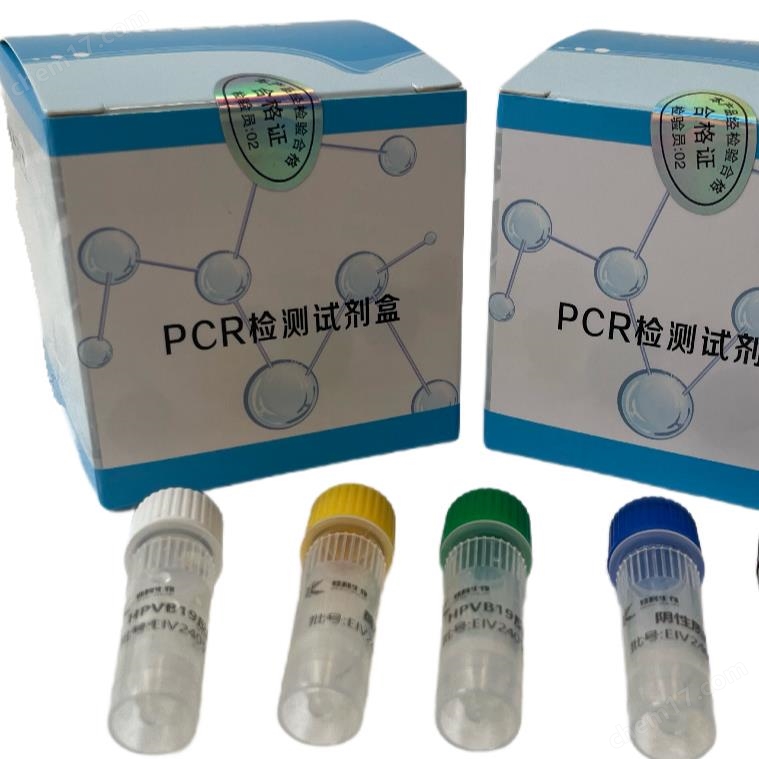
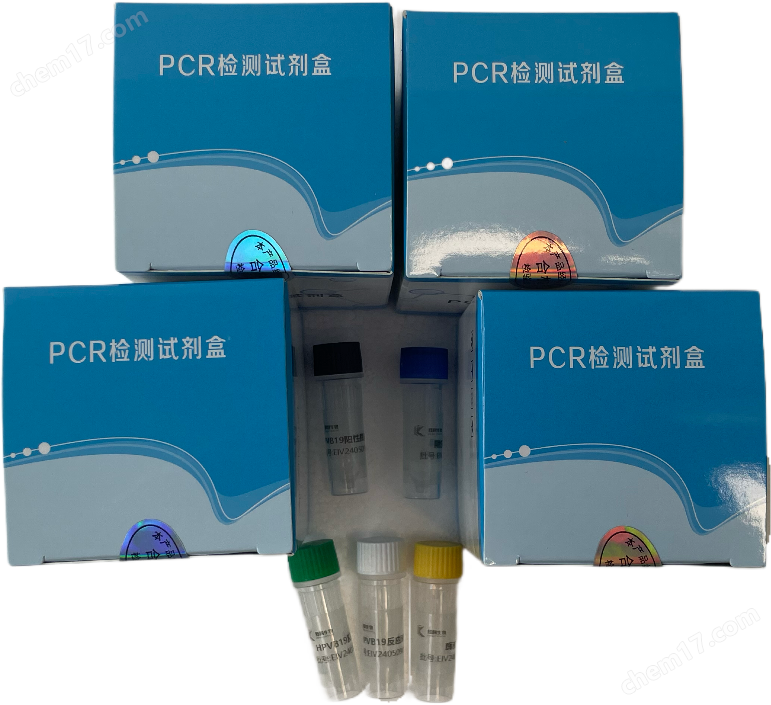
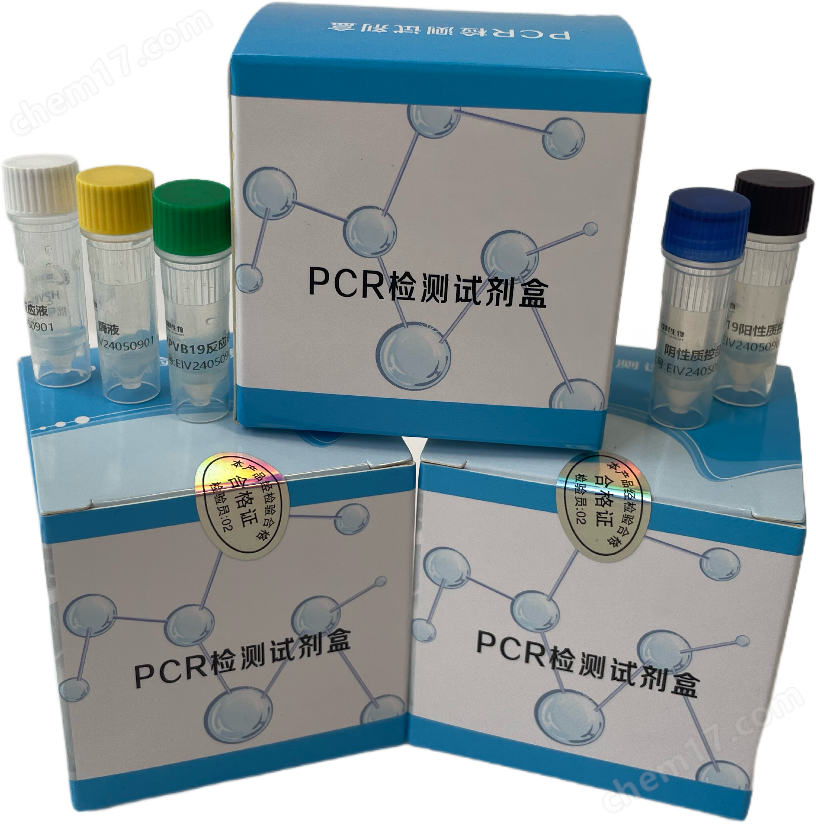
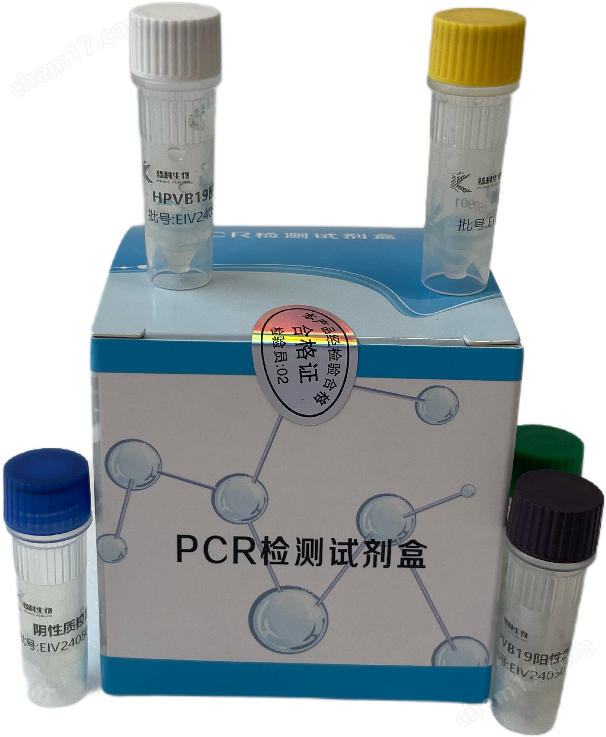
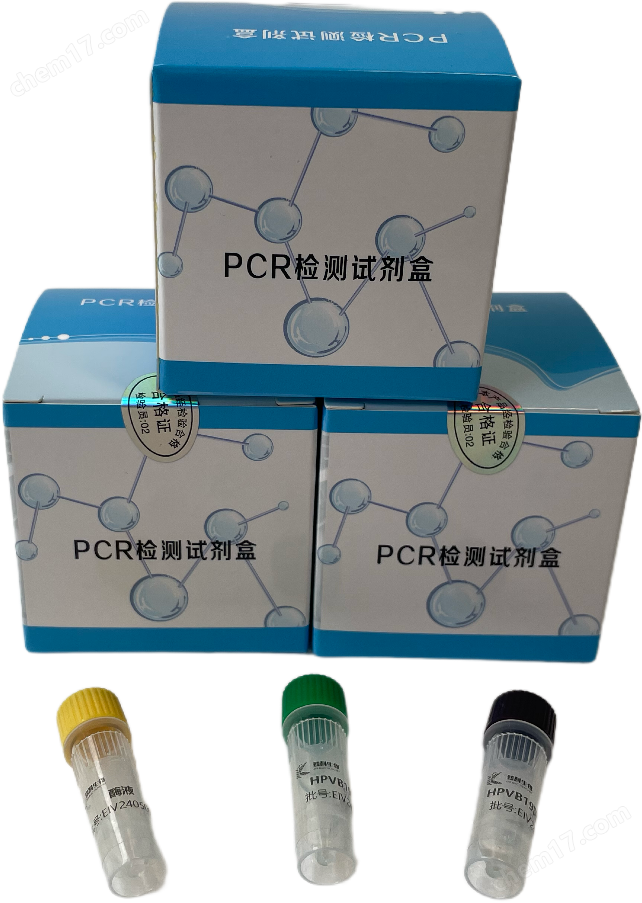
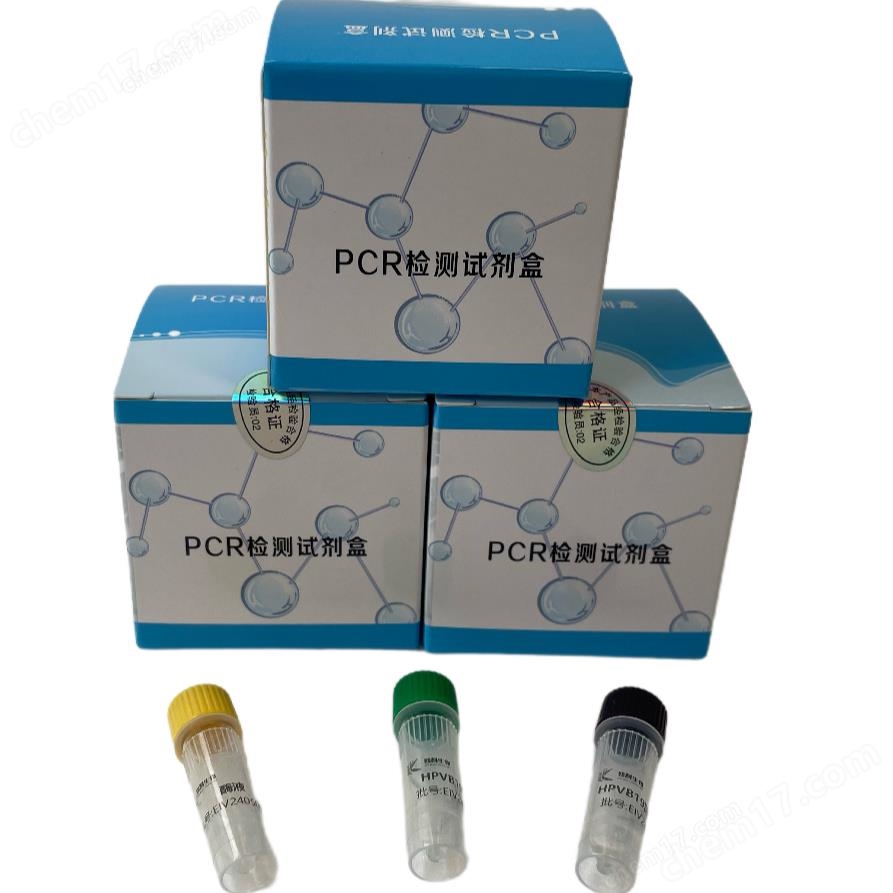
Cat HIV Test Kit
NegotiableUpdate on 05/06
- Model
- Nature of the Manufacturer
- Producers
- Product Category
- Place of Origin
Overview
Gut virus (universal) nucleic acid detection kit $r $n $r $n This kit is designed with specific primers and molecular beacon probes for this gene. In the presence of this DNA in the test sample, PCR reaction can proceed and release fluorescent signals. Real time monitoring and output of corresponding fluorescence signals during PCR process using instruments to achieve qualitative analysis of detection results.
Product Details
Gut virus (universal type) nucleic acid detection kit
Packaging Specifications 25T/box & 50T/box
【 Principle of Inspection 】
This kit is designed with specific primers and molecular beacon probes for this gene, and contains theDNAIn this case,PCRThe reaction proceeds and releases a fluorescent signal. Using instruments toPCRReal time monitoring and output of corresponding fluorescence signals during the process to achieve qualitative analysis of detection results.
Main components
serial number |
compose |
25T/box |
50T/box |
1 |
PCRreaction solution |
500μL×1pipe |
1000μL×1pipe |
2 |
positive control |
40 μL×1pipe |
40 μL×1pipe |
3 |
negative control |
40 μL×1pipe |
40 μL×1pipe |
4 |
Instruction manual |
1copy |
1copy |
Storage conditions and expiration datelight-proof-20℃The following should be stored to avoid repeated freezing and thawing, with an expiration date12A month.
ABISeriesBio-RadSeriesAgilent Stratagene MXSeriesRoche LightCycler R480TheCepheid SmartCyclerTheRotor-GeneSeries, Hangzhou Borui series and other multi-channel real-time fluorescence quantificationPCRInstrument.
1. If using the original specimen for testing. The specimens (patient cerebrospinal fluid, venous blood, joint fluid; diseased animal venous blood, breast milk; bacterial colonies, bacterial moss, etc.) should be freshly collected and suspended in sterilized water or sterile physiological saline.
2. If it needs to be done after bacterial growthPCRFor testing, selective enrichment solution should be used to enrich the original specimen.
3. If the specimen cannot be detected immediately after collection, it can be placed in2~8℃Refrigerate overnight for storage; If long-term preservation is required, the specimen should be frozen in-20℃~-80℃。
1. Reagent Preparation (Reagent Preparation Area)
(1)Remove the reagent kit from the refrigerator,Remove the required reagents from the reagent kit, thoroughly melt and mix, and centrifuge instantly to remove any liquid adhering to the tube wall.
(2)Calculate the number of reactions required for the current experiment(n)Calculate the required amounts of various reagents for this experiment based on the reaction system shown in the table below.
n =Number of negative controls(1T)+Number of positive controls(1T)+Error margin(1T)+sample size
Single lens reflex liquid preparation table(each) |
PCRReaction solution(UNGEnzymes andTaqEnzyme) |
20μL |
(3)Add the above reagents into a sterile centrifuge tube, mix thoroughly, and centrifuge immediately. according to20μL/Divide the reagent into tubes according to the amount of packagingPCRReaction tube.
(4)Cover tightlyPCRAfter covering the reaction tubePCRTransfer the reaction tube to the sample processing area. Return the remaining reagents-20℃The following items are stored frozen in a refrigerator.
2.Sample Preparation (Sample Processing Area)
useDNA/RNAExtract nucleic acid from the extraction kit, follow the instructions in the kit manual for specific operations
3.sample addition
In the above preparedPCRAdd the processed test specimens separately to the reaction sample tubesDNAeach5 μlFinal volume25 μl/Tube, cover it upPCRImmediately centrifuge at low speed after mixing the reaction cap and transfer toPCROn the instrument. Negative control and positive control will be added separately5 μLThe final volume of the negative or positive control included in the reagent kit is25 μl/Tube, cover it upPCRImmediately centrifuge at low speed after mixing the reaction cap and transfer toPCROn the instrument.
4.PCR(PCRAmplification area)
(1)Prepared sample processing areaPCRReaction tube, placed in real-time fluorescence quantificationPCRRecord the placement order of the sample slot at the corresponding position.
(2)Set the instrument's nucleic acid amplification parameters according to the table belowPCRAmplification.

Reaction volume |
25 μL |
Channel Selection |
FAMChannel collection cloth fluorescence signal |
|
PCR reaction condition |
step |
condition |
cyclic number |
UNGhandle |
37℃:2Minutes(min) |
1 |
|
Pre denaturation |
95℃:3Minutes(min) |
1 |
|
PCRamplification |
95℃:5Second(s) |
40 |
|
|
55℃:40Second(s) (Collect fluorescence signal at the end of this stage) |
Note:ABISeries fluorescencePCRDo not select the instrument during setupROXCorrection, setting quenching group selectionNone.
Reference value (reference range)
1.Validity assessment of reagent kit:
(1)Positive control: typicalSType amplification curve orCtvalue≤35.
(2)Negative control:CtValue>38Or noneCtValue, the line shape is a straight line or a slight diagonal line, with no exponential growth period.
2.Sample result determination:
(1)Positive: Sample testing resultCtvalue≤35There may be a significant period of exponential growth.
(2)Suspicious: Sample testing resultsCtValue in35~38Within the scope. At this point, the specimen should be subjected to repeated testing, such as repeating experimental resultsCtThe value is still there35~38If there is a significant exponential growth period within the range, it is judged as positive; otherwise, it is judged as negative.
(3)Negative: Sample test resultCtValue>38Or noneCtValue.
Explanation of Inspection Results
Channel and detection results |
Interpretation of specimen testing results |
FAM | |
Positive(+) |
Detected in the specimen |
Negative(-) |
Not detected in the specimen |
Limitations of Inspection Methods
When the concentration of the tested nucleic acid in the test sample is lower than the detection of this kit, false negative results may occur.
Improper handling of the collected, transported, stored, and processed samples can easily lead toDNADegradation leads to false negative results.
3. Cross contamination of samples during collection, transportation, storage, and processing can easily lead to false positive results.
Product Performance Indicators The detection limit of the product is103Copies/mL, ProductCVvalue≤3%.
【 Precautions 】
1. Laboratories using this reagent kit should strictly follow the management regulations for gene amplification testing laboratories issued by relevant national departments;
2. To avoidRNADegradation, the sample processing process should be carried out during0-4℃Operate under certain conditions and immediately conduct testing on the machine after completing the experiment; The instruments and consumables used in the sample processing process should be treated with ribonucleases;
3. All items in each area are for exclusive use and must not be used interchangeably to avoid contamination; After the inspection is completed, the workbench should be cleaned immediately;
4. When absorbing the reaction solution, try to avoid generating bubbles as much as possible; upPCR Before the instrument, attention should be paid to checking whether each reaction tube is tightly covered to avoid inaccurate results caused by liquid evaporation;
5. All reagents in the reagent kit should be thoroughly melted and mixed at room temperature before use, and should be centrifuged immediately;
6. The negative and positive controls provided in the reagent kit should be transferred to the specimen preparation area and stored separately before the first use;
To prevent fluorescence interference, direct contact with bare hands should be avoidedPCRReaction tubes should be avoided and should be avoided inPCRMake any markings on the reaction tube;
8. The suction head used during the testing process should be directly hit onto the container10%In the waste tank of hypochlorous acid, the detection is completedPCR The reaction tube should not be opened and should be sterilized together with other waste items before disposal; The workbench and various experimental supplies should be used regularly 10%Hypochloric acid75%Disinfect with alcohol or ultraviolet light;
The parameters related to instrument amplification should be set according to the relevant requirements in this manual; Different batch numbers of reagents cannot be mixed; And use it within its validity period.The product is only used for scientific research.