-
Phone
18612378160
-
Address
Room 765, 6th Floor, Building 15, Xinzhao Jiayuan, Chaoyang District, Beijing
Product Categories
Beijing Huaxin Borun Technology Co., Ltd
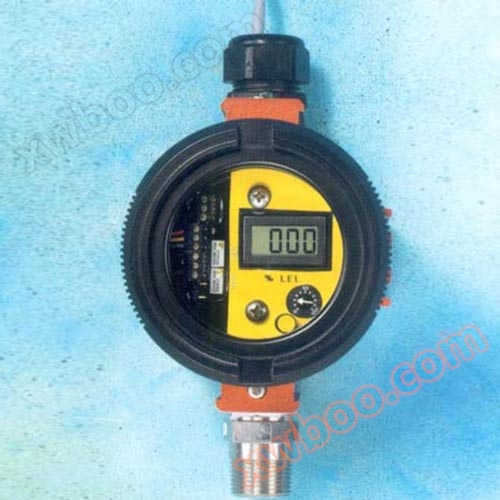
C12-17 Combustible Gas Detector
NegotiableUpdate on 02/20
- Model
- Nature of the Manufacturer
- Producers
- Product Category
- Place of Origin
Overview
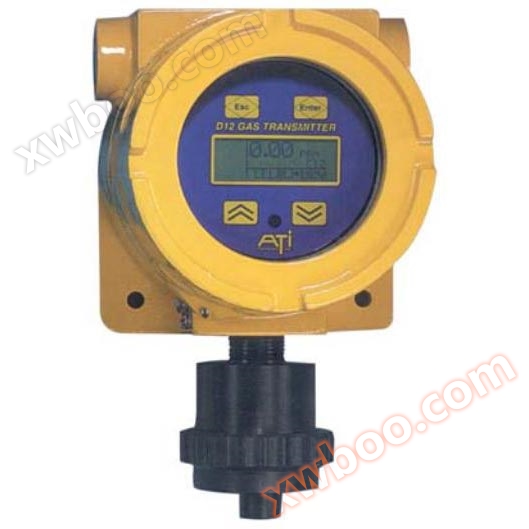
The C12-17 detector is a gas transmitter that directly detects hazardous concentrations of combustible gases in ambient air. It can reliably monitor various gases and hydrocarbon vapors in process plants, pump stations, and gas compression stations, such as Methame, Propane, Butane, Gasoline, Tolnehe, Hydrogen, and many other gases
Product Details
The C12-17 detector is a gas transmitter that directly detects the hazardous concentration of combustible gases in the ambient air. It can reliably monitor various gases and hydrocarbon vapors, such as Methame, Propane, Butane, Gasoline, Tolnehe, Hydrogen, and many other gases, in process plants, pump stations, and gas compression stations. In fact, this type of transmitter can quickly monitor gases or vapors that may accumulate to explosive limits anywhere.
The C12-17 detector is a three wire transmitter, powered by 24VDC, that sends a specific 0-100% LEL (low) of gas or steamexplosionThe transmitter can provide a 4-20mA signal without a display or an integrated LCD display, and can provide on-site gas concentration display. The display value can be observed through the glass window of the explosion-proof casing.
The instrument with an integrated display screen also has a signal alarm set point and a local alarm relay. The function of this internal relay is to hold or alarm, and it can be reset with a magnetic tool without opening the casing.
The C12-17 detector can be directly connected to PIC, DCS, or alarm system computers without the need for additional hardware. If a complete alarm system is required, ATI can provide B14 series combination test alarm signal receiving instruments and C14 series multi-point scanning alarm units to provide all required alarm functions.
Working principle of sensors
A combustible gas sensor consists of two matched sensitive elements, an active element and a passive element, both of which are electrically heated to form the two arms of a Wheatstone bridge. When combustible gas contacts the sensor, the active element catalyzes the oxidation of the gas, heats the active element, changes its resistance value, while the passive element remains unchanged, resulting in a change in the bridge circuit of gas concentration. To achieve a significant anti-corrosion effect, explosion-proof sensor components are made of 316 stainless steel. A sintered flame arrester provides a gas diffusion path to sensitive components while maintaining their fire resistance. The sensitive components are specially designed to prevent sensitivity reduction in harsh industrial environments. The typical lifespan of sensors is 2 years or longer.
Similar Product Recommend