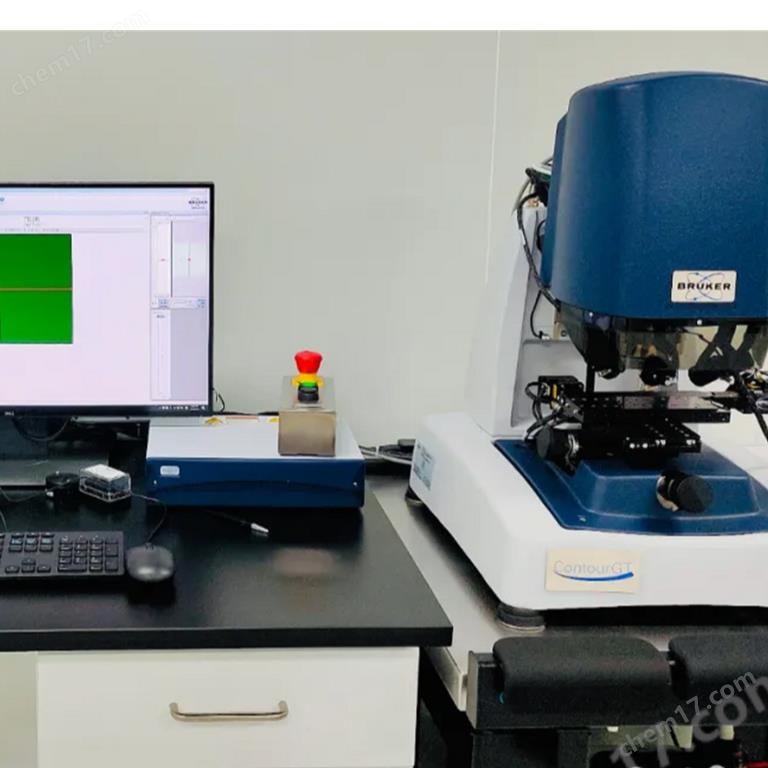
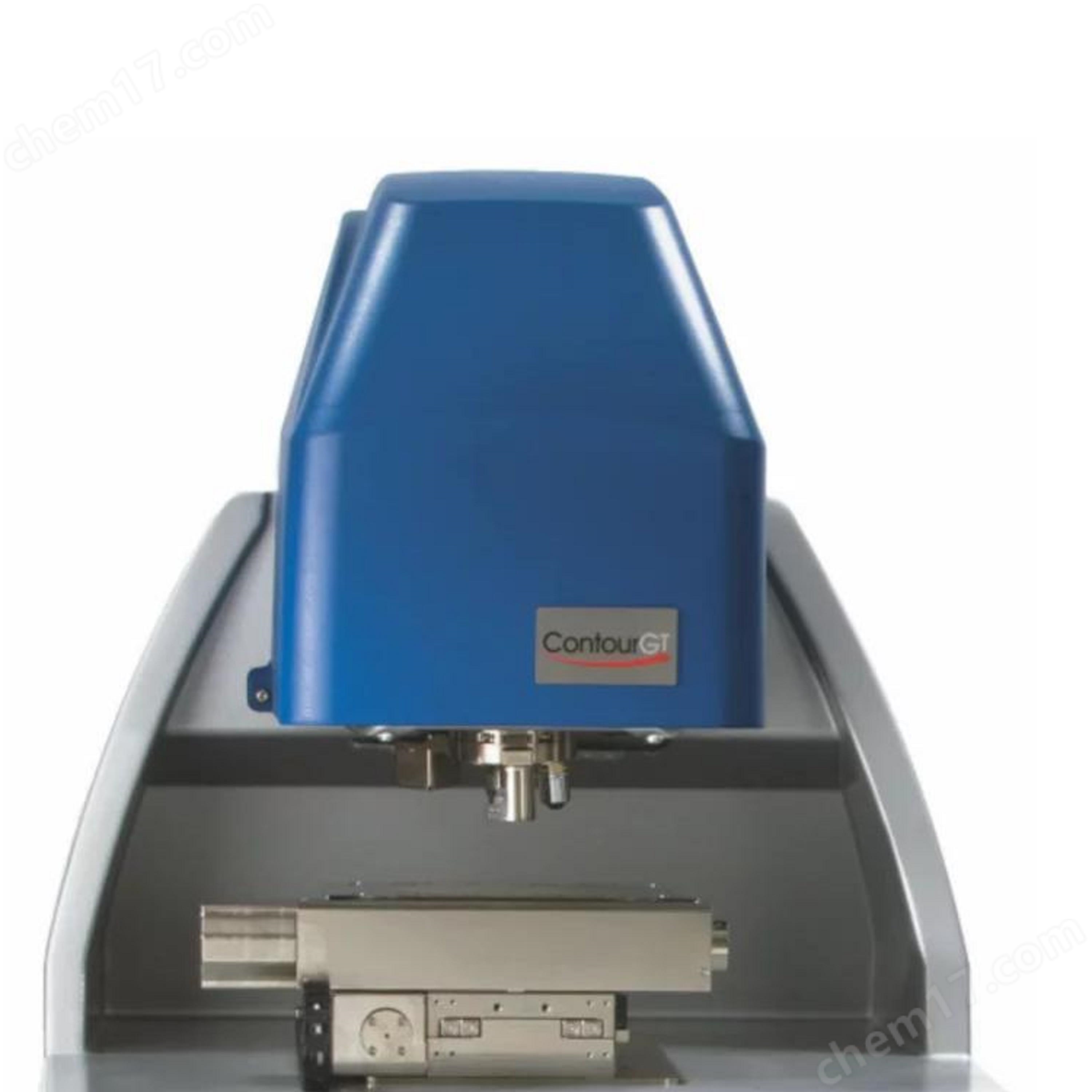
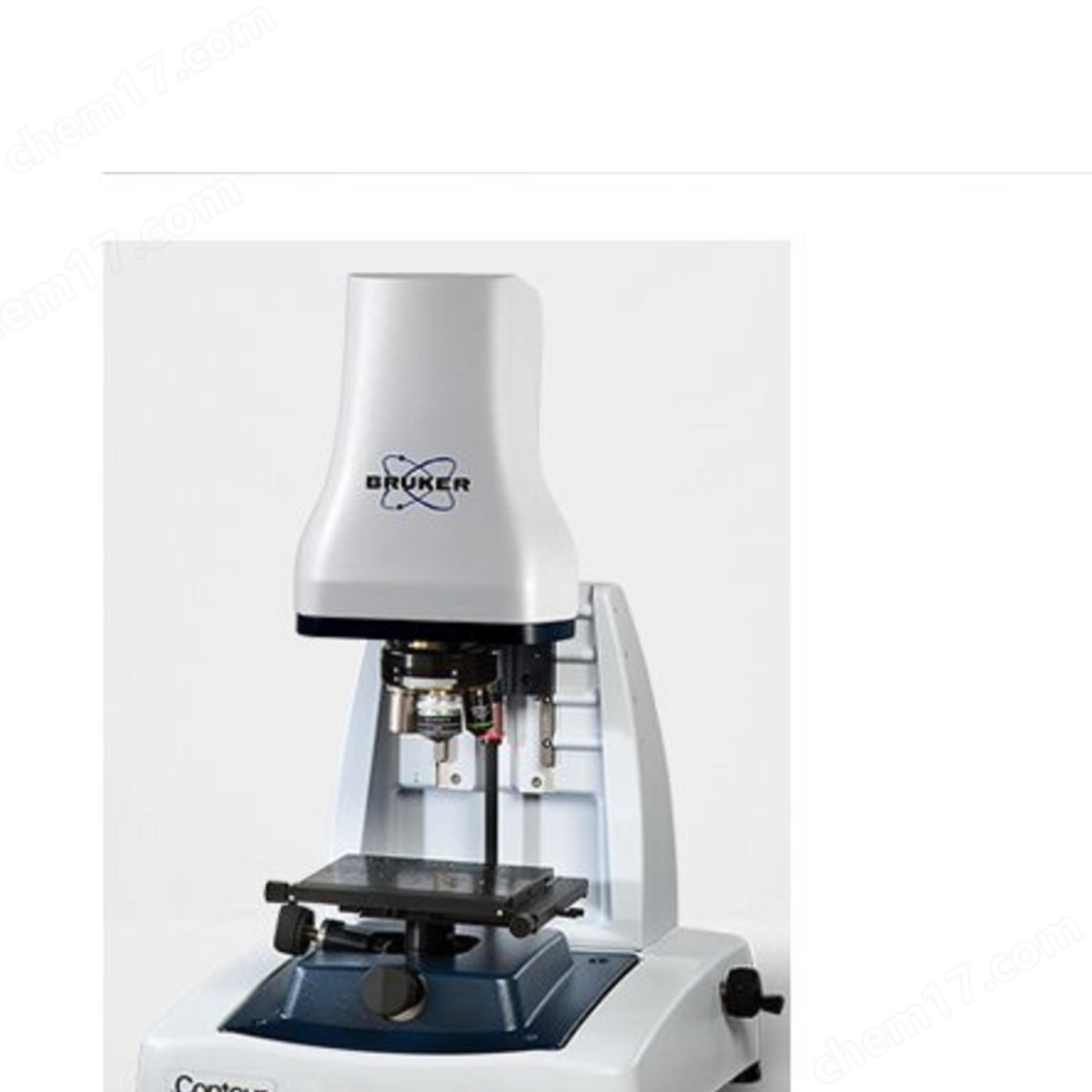
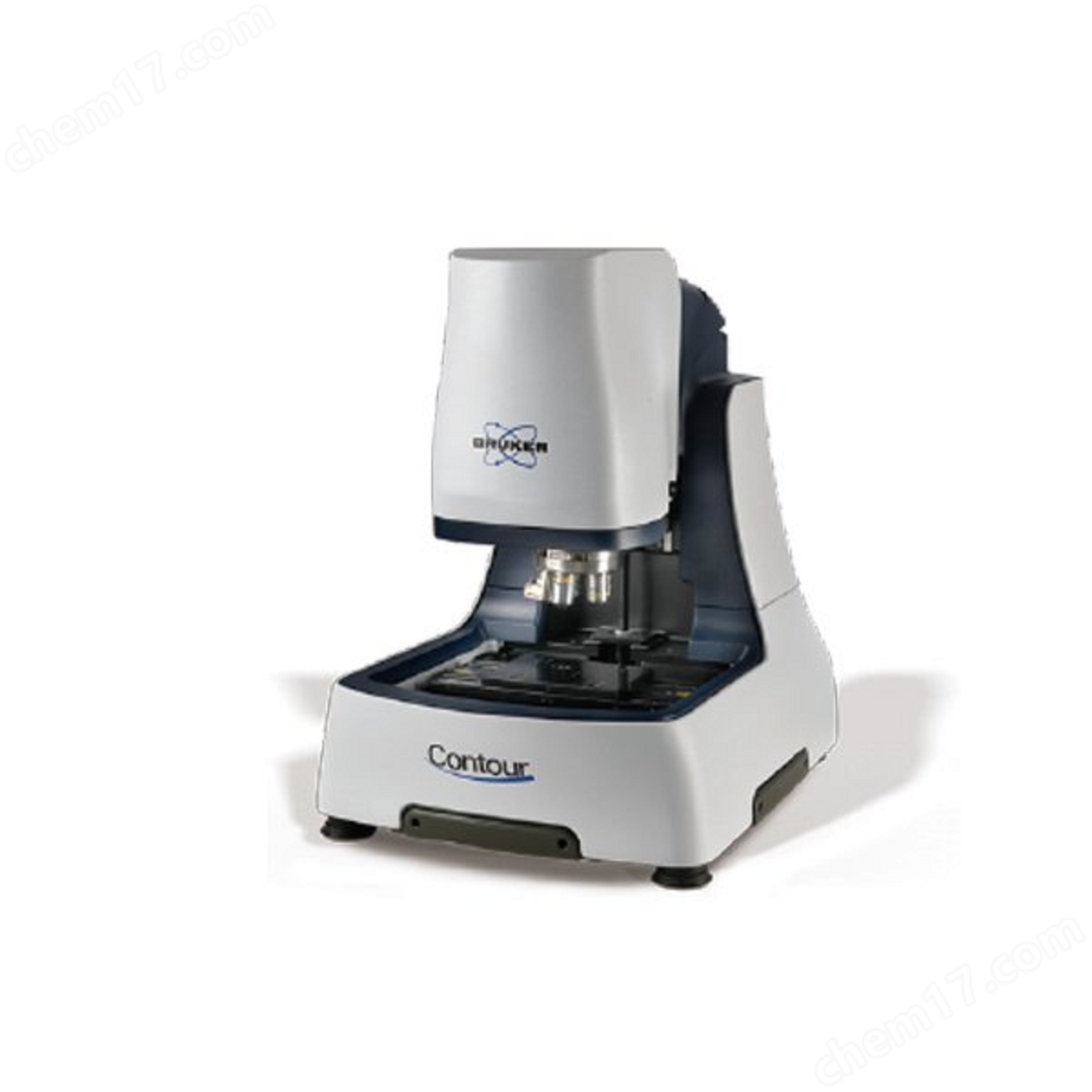
ContourX-500 Bruker addresses complex surface challenges. In reality, sample surfaces are often not ideal planes. The ContourX-500 Brooke white light interferometry system provides a possible solution for measuring surfaces with complex characteristics such as high reflectivity, transparency, multiple layers, or large tilt angles through its technical flexibility and diverse analysis modes.
ContourX-500Brooke tackles complex surface challenges
The surface of samples in reality is often not an ideal plane. The ContourX-500 Brooke white light interferometry system provides a possible solution for measuring surfaces with complex characteristics such as high reflectivity, transparency, multiple layers, or large tilt angles through its technical flexibility and diverse analysis modes.The ideal measurement sample may have a uniform, moderately reflective, and flat surface, but the challenges encountered in practical work far exceed this. The halo caused by highly reflective metals, multiple reflections generated by transparent films, strong scattering on rough surfaces, and signal loss on steep sidewalls often plague optical measurements. The design of the ContourX-500 Brooke takes into account these complexities and integrates multiple technological strategies to address challenges.For highly reflective surfaces, such as polished metal or mirrors, strong reflected light may exceed the camera's dynamic range, leading to image saturation (overexposure) or halo artifacts. The ContourX-500 Bruker typically offers dual adjustment of hardware and software: on the hardware side, the incident light intensity can be reduced by adjusting the light source intensity or using a polarizer; On the software side, high dynamic range (HDR) imaging technology is used to restore the true grayscale information of the surface by combining images with different exposure times, thereby obtaining effective interference signals.Measuring transparent or multi-layer structures (such as glass cover plates, OLED film layers) is another common difficulty, as reflected light from the upper and lower surfaces or intermediate layer interfaces of the sample can interfere with each other, producing chaotic interference signals. In response to this, the ContourX-500 Bruker may be equipped with a specialized "transparent material measurement mode" or advanced analysis algorithm. These algorithms can recognize and separate signals from different interfaces, thereby extracting the morphology of the target surface separately or measuring the thickness of the film (if both upper and lower surfaces can be distinguished).When facing features with large slopes or high aspect ratios (such as deep grooves, sharp edges), the incident light may not be reflected back to the detector, resulting in data loss. At this point, in addition to using a higher numerical aperture objective lens to collect reflected light at larger angles, the ContourX-500 Bruker system may also support multi angle measurement functionality. By tilting the sample or using a special objective lens with a built-in prism to illuminate and observe from different directions, and then fusing data from multiple perspectives through software, a complete three-dimensional morphology can be reconstructed.For rough surfaces that are themselves strong scatterers, although white light interference can still work, their lateral resolution may decrease due to scattering. At this point, the confocal microscopy mode in the device can take advantage. The confocal mode, through the spatial filtering effect of pinholes, can effectively suppress defocused scattered light, improve image contrast and signal-to-noise ratio, and is more suitable for observing and analyzing complex textures such as sandblasted surfaces, ceramic sections, paper fabrics, etc.Dealing with the challenges of complex surfaces not only relies on the functionality of the equipment, but also on the experience and skills of the operators. Understanding the optical properties of different materials, predicting possible problems, and selecting appropriate measurement modes, objectives, and parameters based on this is the key to successful measurement. The ContourX-500 Bruker typically provides detailed application guidelines and technical support to help users establish a solution library for specific difficult to test samples.It can be seen that the ContourX-500 Bruker is not only capable of working under ideal conditions. It is more like a toolbox equipped with multiple tools, allowing operators to choose the appropriate "tools" (measurement modes and algorithms) to complete tasks for different types of complex surfaces. This flexibility enables it to adapt to a wider range of industrial and scientific applications, making it a reliable option when dealing with difficult surface measurement problems.
ContourX-500Brooke tackles complex surface challenges