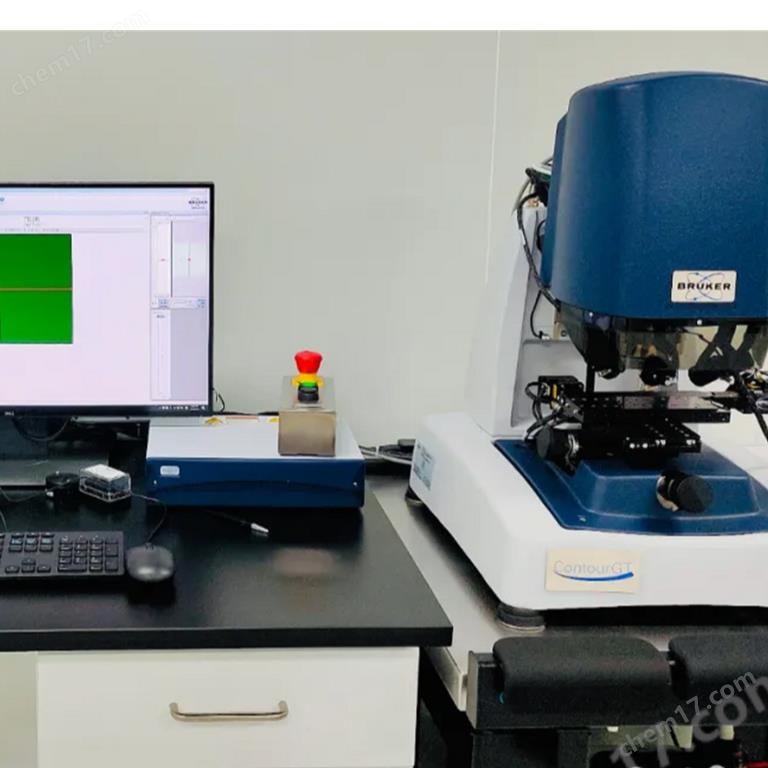
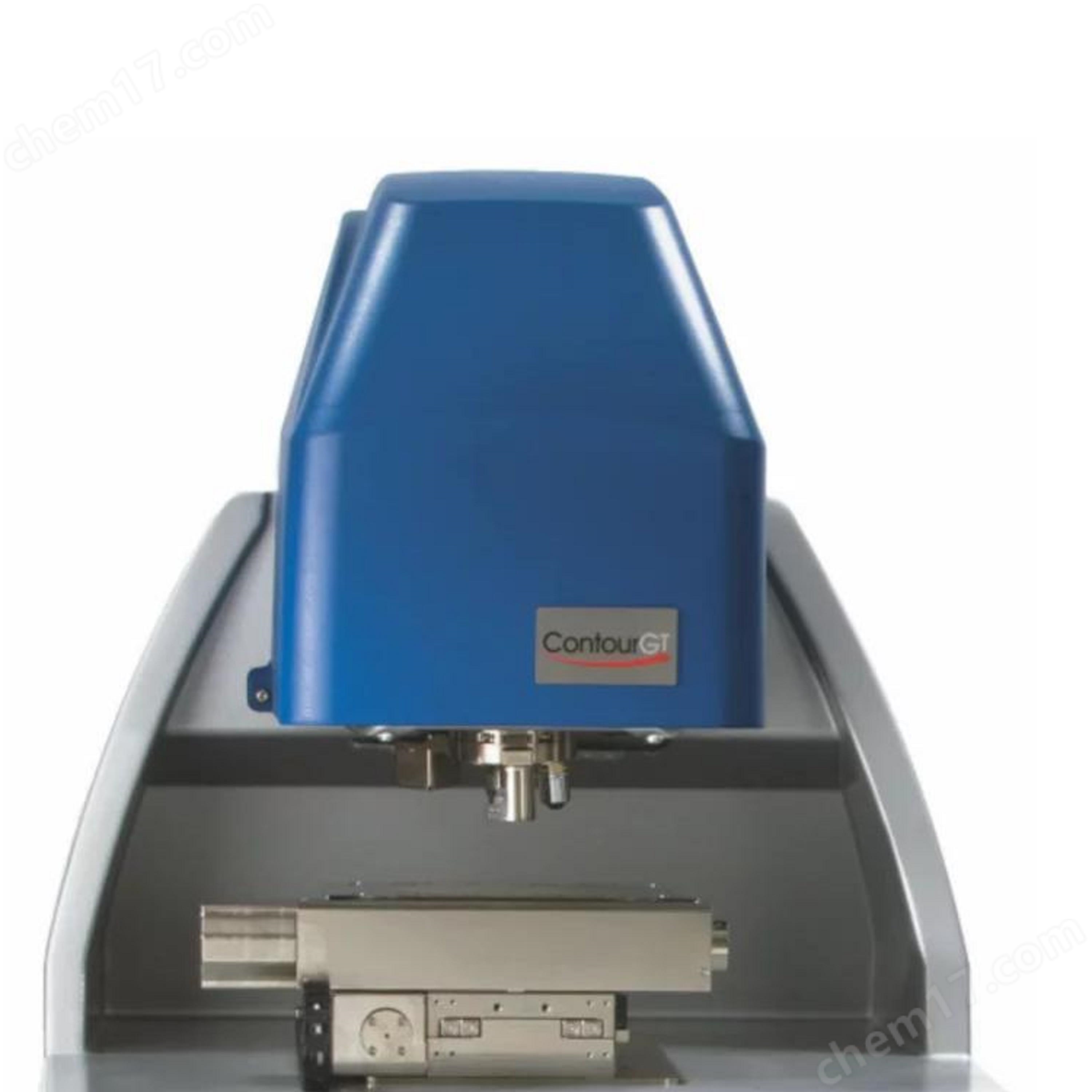
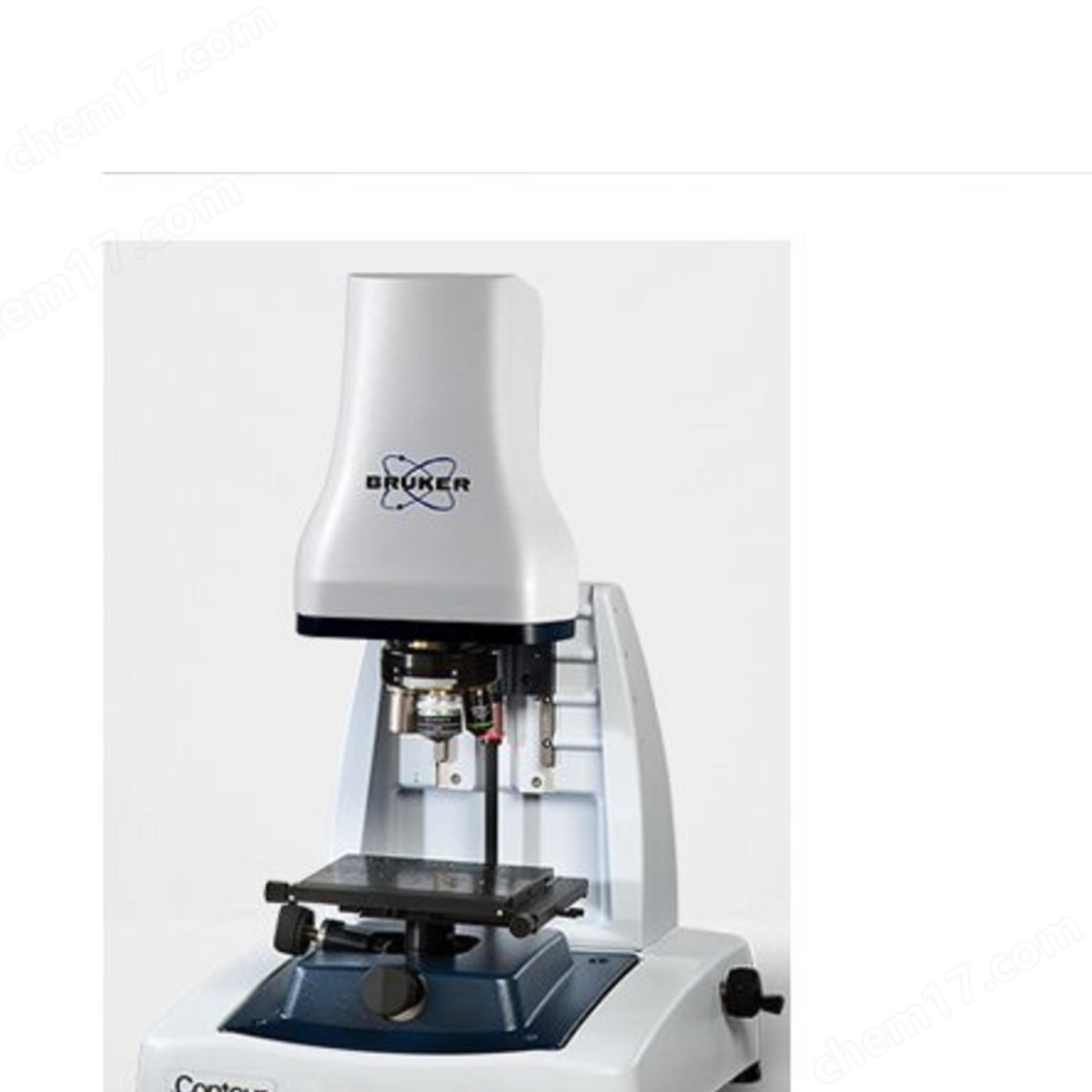
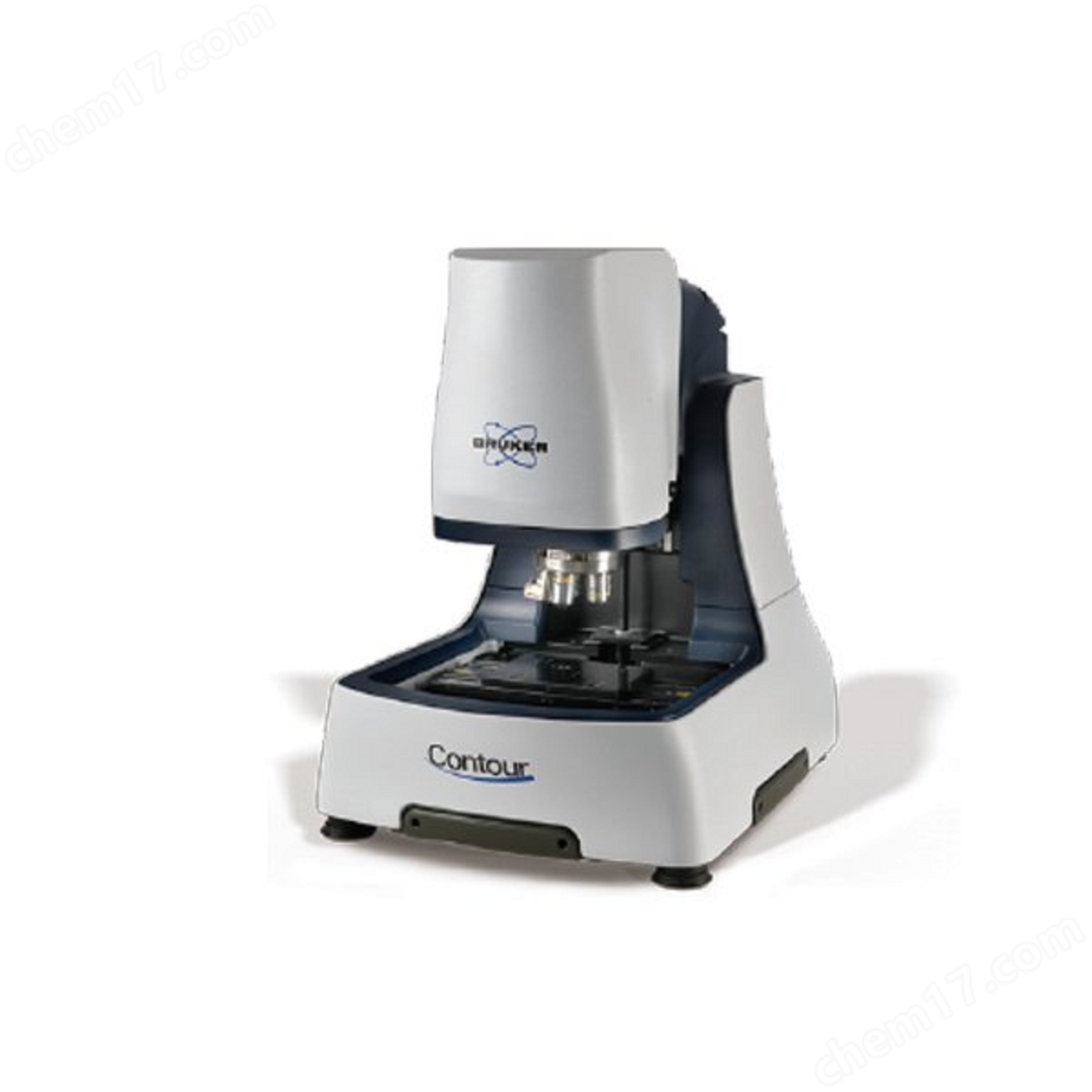
The application of ContourX-500 in quality control requires reliable data as a basis for judgment. The ContourX-500 Brooke White Light Interferometer has become a worthy detection node in modern manufacturing quality control systems by providing accurate and reproducible surface three-dimensional morphology data.
ContourX-500Brooke's Application in Quality ControlIn a fiercely competitive market environment, the stability of product quality is the fundamental basis for enterprises to establish themselves. And quality control is the systematic engineering that ensures this stability. Relying solely on final functional testing is insufficient, and quantitative monitoring of the morphology of critical surfaces during the manufacturing process is becoming a trend. The ContourX-500 Bruker equipment, with its non-contact and full field measurement characteristics, provides a feasible technical solution for implementing process quality control on the production line or in the laboratory.The value of this device in the quality control process is first reflected in the objectivity and traceability of its data. Unlike visual inspections that rely on personal experience, the surface roughness (such as Sa, Sq), step height, scratch depth, pit volume, and other parameters output by ContourX-500 Bruker are all numerical results calculated based on international standards (such as ISO 25178). These data can be directly entered into the Statistical Process Control (SPC) system for drawing control charts, real-time monitoring of process parameter drift, and timely warning when exceeding control, thereby achieving preventive quality control.Secondly, its application scenarios are flexible and can run through multiple quality control stages. In Incoming Quality Control (IQC), it can be used to quickly evaluate whether the surface condition of raw materials or outsourced parts meets the technical agreement. In process inspection (IPQC), regular sampling can be conducted on semi-finished products after key processes such as grinding, polishing, coating, and etching to ensure that the process is in a controlled state. In the final inspection (OQC), it can serve as the last line of defense before shipment, quantitatively determining the appearance and key functional surfaces of the finished product.The ContourX-500 Bruker has many examples of quality control in specific industries. In the precision injection molding industry, it is used to measure the surface texture changes of products caused by mold cavity wear, providing data support for mold maintenance cycles. In the metal processing industry, it is used to monitor the deterioration trend of workpiece surface roughness after cutting tool wear, and achieve predictive tool replacement. In the field of semiconductor packaging, it is used to measure the three-dimensional coplanarity of solder balls or solder bumps to ensure soldering reliability.In order to achieve efficient and stable operation of the device in quality control, it is usually necessary to standardize its operating procedures. This includes the development of detailed sample preparation specifications, unified measurement area selection rules, fixed instrument parameter settings, and regular use of standard sample blocks for equipment calibration procedures. The application of automated scripts can further reduce human operation differences, improve detection efficiency and result consistency.Integrating the ContourX-500 Bruker into a digital quality management system is the direction to maximize its effectiveness. The measurement data is automatically uploaded to the central database through the network, associated with production batch numbers, equipment parameters, operators, and other information, forming a complete quality data chain. This not only facilitates traceability and retrospective analysis, but also enables deep correlation between surface morphology data and final product performance through big data analysis, providing insights for continuous process optimization.Therefore, the ContourX-500 Bruker is not just a measuring instrument, but can also be seen as a high-quality data generator. It transforms the originally vague concept of "surface smoothness" into precise numerical language, shifting quality control from qualitative to quantitative, from passive response to active prevention, and contributing to the construction of a stronger quality defense line for manufacturing enterprises.
ContourX-500Brooke's Application in Quality Control