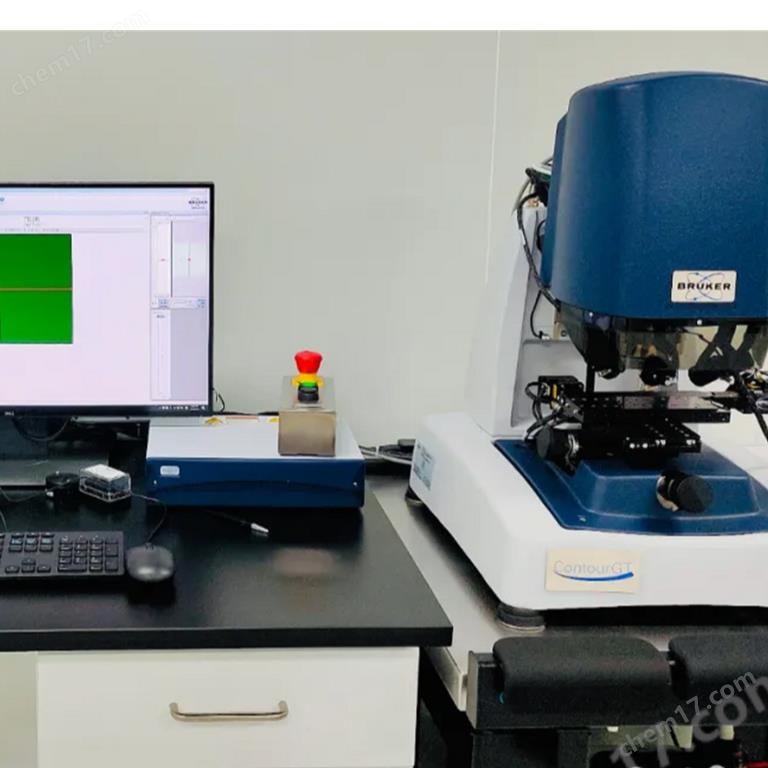
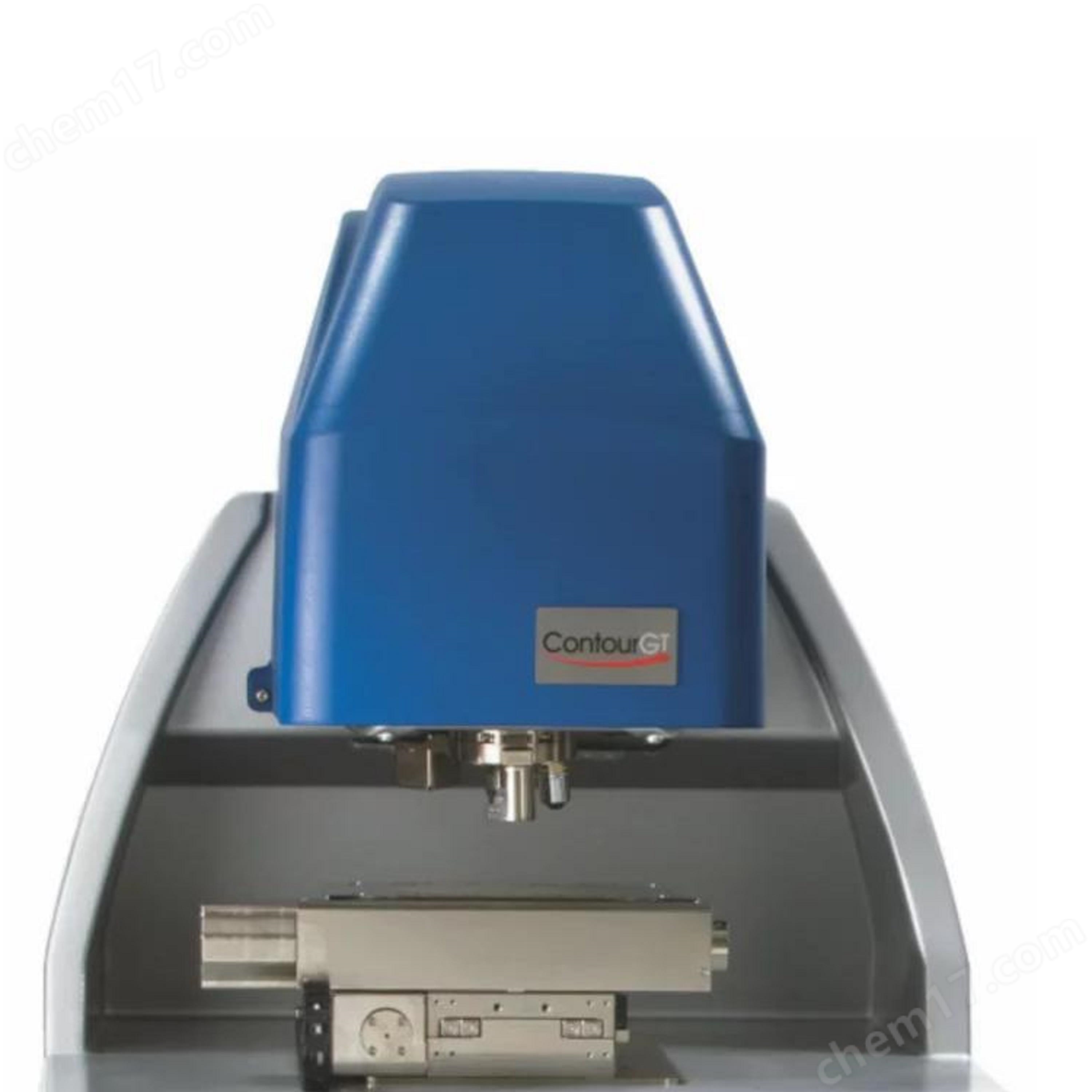
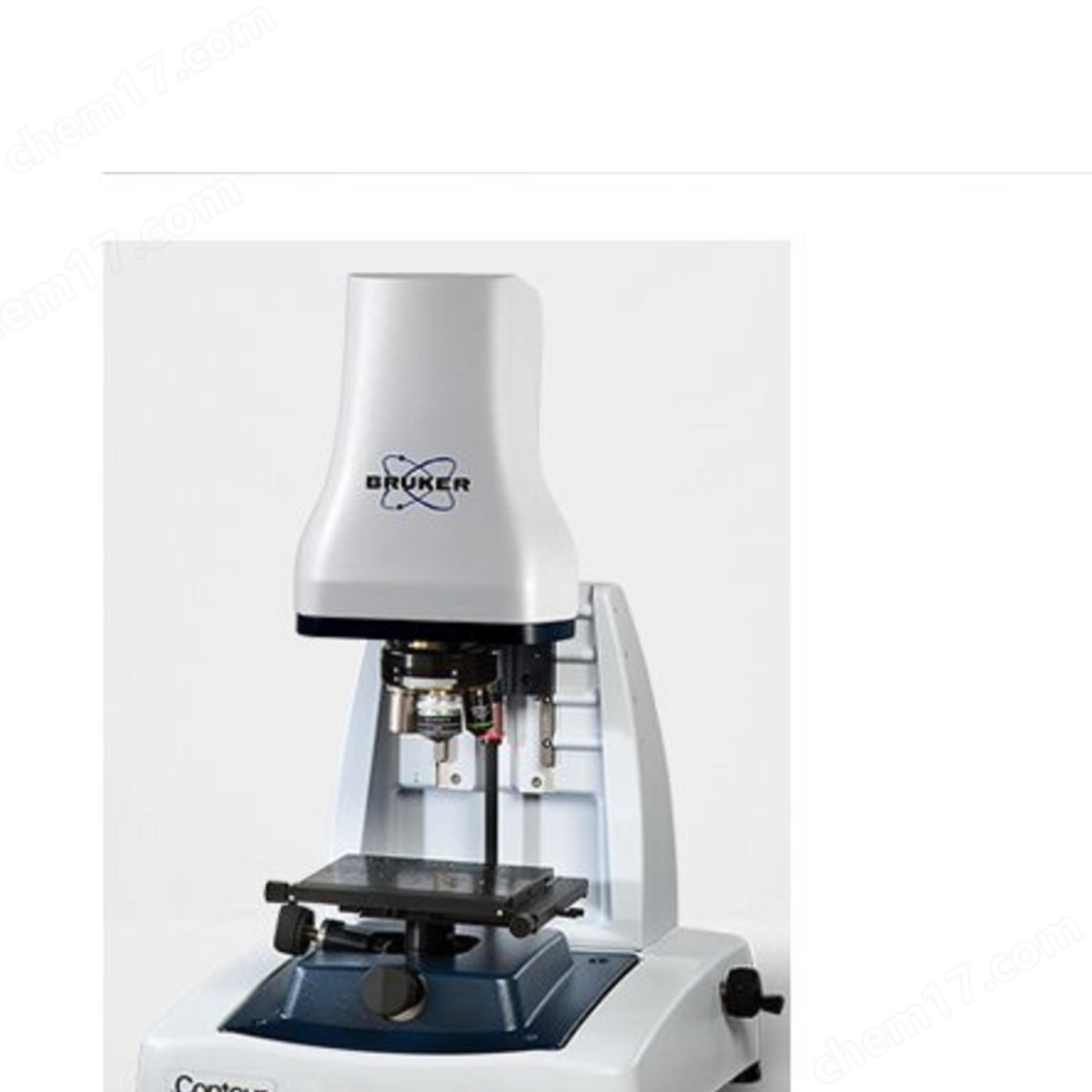
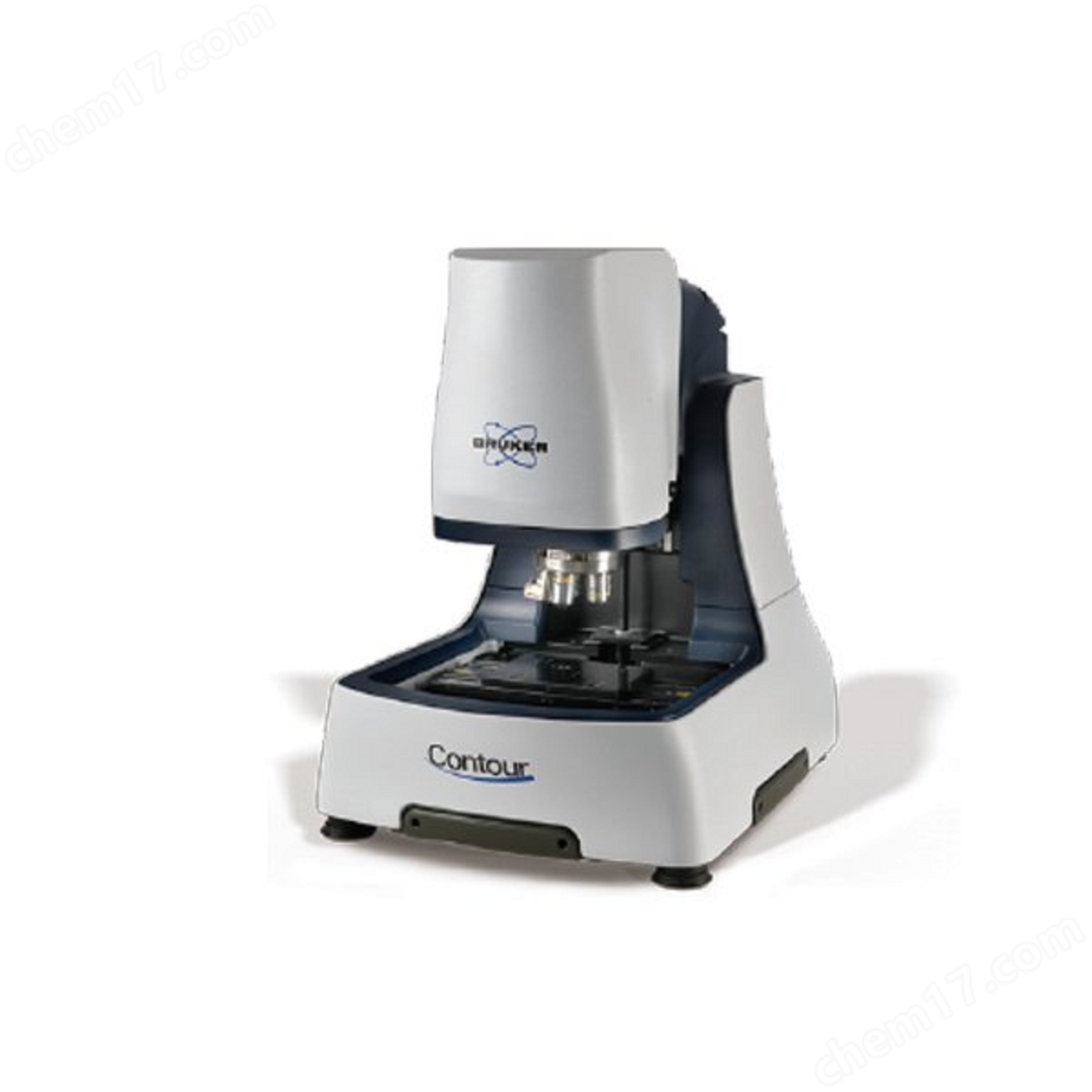
Brooke's Technology Evolution Outlook: Measurement technology has always evolved with the demands of the times. The industrial grade white light interferometry system represented by the ContourX-500 Brooke will be closely developed in the direction of being smarter, faster, more integrated, and easier to use in the future to meet the challenges of the next generation of manufacturing and scientific research.
Brooke's Prospects for Technological Evolution
Measurement technology has always evolved with the demands of the times. The industrial grade white light interferometry system represented by the ContourX-500 Brooke will be closely developed in the direction of being smarter, faster, more integrated, and easier to use in the future to meet the challenges of the next generation of manufacturing and scientific research.Looking back at the past few decades, from laser interferometry to white light interferometry, from single point detection to array imaging, from manual operation to automatic control, surface morphology measurement technology has made tremendous progress. At the current point in time, we can foresee several possible technological evolution trends for devices like the ContourX-500 Bruker.Firstly, "intelligence" will be the core development direction. Future devices will integrate more powerful artificial intelligence (AI) algorithms. Before measurement, AI can automatically identify sample types, feature areas, and potential challenges (such as high reflectivity and transparent layers) through preview images, and recommend measurement modes and parameters to achieve "one click optimization". After measurement, AI can automatically identify and classify surface defects (such as scratches, particles, pits), and provide defect rating reports that meet industry standards, greatly reducing the time and subjectivity of manual interpretation. Even based on historical data learning, AI can predict the impact of process parameter adjustments on surface morphology, becoming an intelligent consultant for process optimization.Secondly, the measurement speed will continue to improve. This relies on the dual innovation of hardware and software. In terms of hardware, cameras with higher frame rates, faster scanning drivers, and more efficient light sources will be adopted. In terms of software, parallel computing, GPU acceleration, and more efficient algorithms will reduce data processing time. The goal is to make 3D shape measurement as fast as taking photos, thus supporting 100% online full inspection, not just sampling inspection.Thirdly, "integration" and "multifunctionality" are another trend. The future ContourX-500 Bruker platform may not just be a morphology measuring instrument, but a multi technology integrated micro analysis workstation. It may seamlessly integrate Raman spectroscopy probes to obtain chemical composition information while measuring morphology; Integrate nanoindentation module to achieve in-situ testing of mechanical properties; Integrated heating/cooling platform to study surface evolution under temperature changes. This multi technology linkage can provide a more comprehensive understanding of material properties.Finally, "usability" and "accessibility" will be emphasized. Guide users in operation and maintenance through augmented reality (AR) technology; Through cloud computing, complex reconstruction and analysis algorithms can run in the cloud, and users can obtain professional level results through lightweight clients; Through standardized data interfaces and communication protocols, devices can more easily integrate into the intelligent factory network of Industry 4.0 and become active data nodes in the digital twin.Of course, technological evolution cannot be separated from the support of fundamental research, such as new optical designs, more sensitive detectors, and more stable materials. The ContourX-500 Bruker will continue to focus on these underlying innovations and translate them into actual performance improvements for the product.In short, tomorrow's ContourX-500 Brook will be more than what we see today. It will become smarter, faster, and more friendly. It will transform from a passive measurement tool to an active analytical partner, deeply integrated into the value chain of intelligent manufacturing and intelligent research, and continue to provide critical technical support for unlocking surface mysteries.
Brooke's Prospects for Technological Evolution