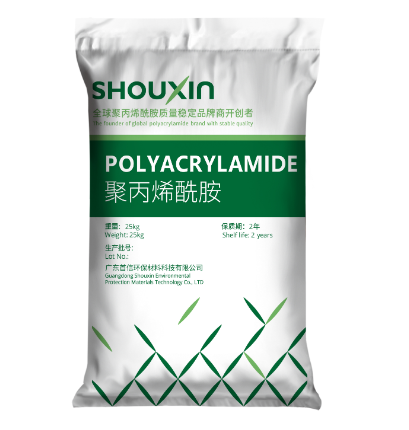
Polyacrylamide (PAM) Manufacturing & Procurement Technical Guide
09,22,2026 25 views


10,29,20262From:
An environmental test chamber, also commonly known as a climatic test chamber, is precision laboratory equipment built to simulate controlled and extreme environmental conditions within an enclosed test space. It replicates real-world climatic stresses, including high and low temperatures, humidity cycling, thermal shock, damp heat, and dry environments, allowing manufacturers and research teams to evaluate how products, components and materials perform under accelerated or harsh service conditions.
Instead of waiting months or years for natural field exposure, engineers use this chamber to compress environmental ageing into scheduled test cycles. It reveals hidden weaknesses such as material deformation, electronic drift, sealing failure, coating degradation and performance loss before products reach the market. This proactive testing approach cuts field failure risks, reduces warranty claims and shortens new-product validation cycles for R&D and quality teams.
Modern environmental test chambers deliver tight control accuracy and excellent uniformity across the test workspace. Most models feature intuitive touchscreen PLC controllers, programmable cycling profiles, real-time data logging and alarm protection systems. Operators can set constant conditions or custom ramp-and-soak temperature-humidity sequences; test records can be exported for audit, certification and internal quality review. Depending on project scale, options range from compact bench-top units for small electronic samples, standard floor-standing chambers, to large walk-in rooms for full assemblies and large finished products.
They serve a broad spectrum of industries: consumer electronics, automotive components, aerospace, batteries, pharmaceuticals, packaging, new energy, plastics and rubber materials. Test programmes run inside these chambers support compliance with widely recognised global standards including IEC, ASTM, ISO and MIL-STD series, making it easier for your products to pass third-party certification and gain market acceptance worldwide.
Key advantages of a well-engineered environmental test chamber include stable long-run performance, energy-efficient refrigeration and heating systems, reliable safety interlocks, easy chamber cleaning and low maintenance demand. Customisation is also available: customers may request modified internal dimensions, viewing windows, cable feed-through ports, explosion-proof configurations or additional functions such as low-pressure altitude testing as required by their test specifications.
For any business focused on consistent quality and global market access, environmental testing is no longer optional. A dependable environmental test chamber turns subjective reliability expectations into repeatable, documented test evidence. It helps you design robust products, align test procedures with international requirements and build confidence with your end customers.
If you have specific test parameters, sample sizes or standard requirements, we can configure a chamber solution that matches your budget and testing workflow.

Polyacrylamide (PAM) Manufacturing & Procurement Technical Guide