-
E-mail
wjb@cykeyi.com
-
Phone
13837189935
-
Address
201, 2nd Floor, Building 5, Zhengzhou Yida Technology New City, Jinzhan Street, High tech Zone, Zhengzhou City
Zhengzhou Chengyue Scientific Instrument Co., Ltd
What is semiconductor CVD equipment and its multiple protections
Date: 2025-11-18Read: 2
In the microscopic world of chip manufacturing, chemical vapor deposition (CVD) equipment can be regarded as a precise 'coating wizard' - growing functional thin films only a few nanometers thick on the surface of silicon wafers through gas-phase chemical reactions. This technology, born in the laboratory, has now become a core pillar of the semiconductor, photovoltaic, and even LED industries.
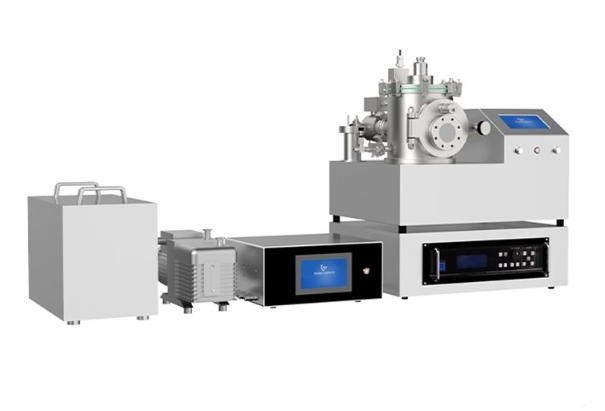
Modern CVD equipment has developed multiple technological routes: plasma enhanced CVD (PECVD) uses radio frequency energy to excite reaction gases, achieving high-quality thin film deposition at low temperatures, particularly suitable for flexible electronics and advanced packaging; Low pressure CVD (LPCVD) is the preferred solution for manufacturing high-purity materials in a near vacuum environment, making it the preferred dielectric layer for logic chips; Metal organic CVD (MOCVD) is a key equipment for epitaxial growth of third-generation semiconductors such as GaN and SiC.
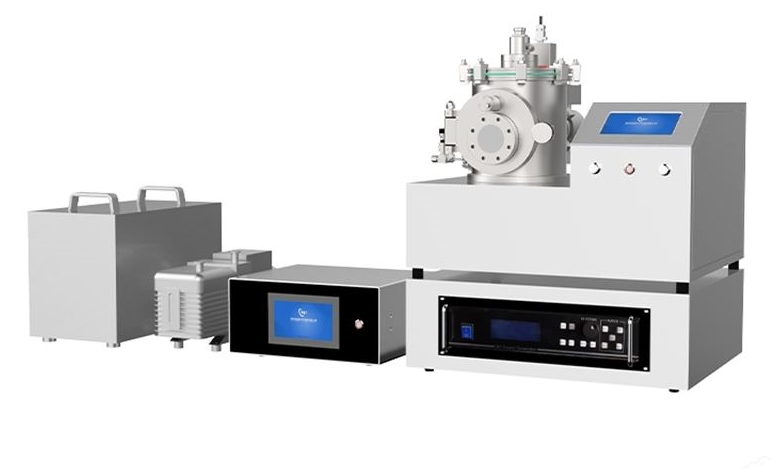
The silane used in CVD equipment will spontaneously ignite when exposed to air, phosphine is highly toxic and colorless, and strong greenhouse gases such as nitrogen trifluoride (NF) can cause dual hazards if leaked.
Modern CVD systems are equipped with multiple protections:
1. Intelligent monitoring network: Deploy laser spectroscopy analyzer every 50 square meters to achieve real-time monitoring of ppb level gas leaks, and start the fresh air system for forced ventilation within 0.5 seconds;
2. Intrinsic safety design: Adopting a dual valve redundant gas delivery system, the backup valve responds and cuts off within 0.3 seconds in case of main valve failure; The reaction chamber is equipped with a gravity guided spray head, which improves the efficiency of toxic gas capture to 99.7%;
3. Personnel protection system: Mandatory wearing of corrosion-resistant special protective clothing and gas supply respiratory system, and activation of life support devices in areas with concentrations above 10ppm.
Today, as the semiconductor industry advances towards 3nm and even more advanced processes, the safety of CVD equipment has become a key factor restricting technological breakthroughs. Only by deeply integrating technological innovation with risk prevention and control can this' coated sword 'safely and accurately expand its territory in the micro world.