-
E-mail
3756537090@qq.com
-
Phone
15827310774
-
Address
Block A, Headquarters of Gaonong Biological Park, No. 888 Gaoxin Avenue, Donghu New Technology Development Zone, Wuhan City
Wuhan Nali Technology Co., Ltd
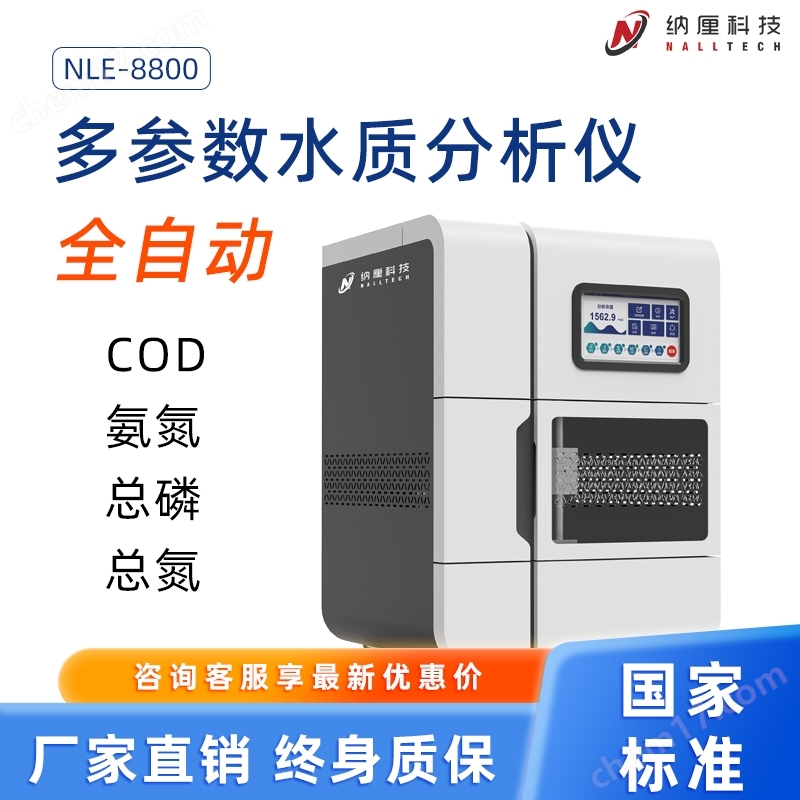
The fully automatic multi parameter water quality analyzer can simultaneously measure multiple water quality parameters
Date: 2025-10-28Read: 1
The fully automatic multi parameter water quality analyzer can simultaneously measure multiple water quality parameters, including pH value, dissolved oxygen, turbidity, conductivity, temperature, ammonia nitrogen, chlorine content and other conventional indicators. It can even choose to measure components and parameters such as potassium, sodium, calcium, magnesium, etc. One device can meet various detection needs, greatly improving work efficiency. The design is simple, and users only need to follow the operation steps in the manual to set and measure. The instrument is also equipped with automatic cleaning and calibration functions, effectively ensuring the accuracy and stability of measurements, and reducing the requirements for the professional skills of operators.
Suitable for measurement under various water quality conditions, it can accurately measure multiple parameters of water bodies such as rivers, lakes, and oceans. At the same time, it has strong anti-interference ability and can effectively avoid the influence of external factors on the measurement results. It is usually a portable device that is easy to use in different scenarios, convenient for rapid on-site detection, and timely acquisition of water quality information.
Precautions for using a fully automatic multi parameter water quality analyzer:
1. In terms of installation environment
-Avoid direct sunlight and high temperature environments: The working temperature should usually be controlled between 5-40 ℃, as excessive temperature fluctuations can affect the accuracy of sensors, such as dissolved oxygen sensors, which are more sensitive to temperature.
-Stay away from electromagnetic interference sources such as motors, transformers, etc. Electromagnetic interference may cause deviations in the measurement of electrical signals such as conductivity and pH.
2. In terms of operational standards
-Comply with laboratory safety regulations: Ensure that personal safety protection measures are in place to prevent safety accidents caused by improper operation, especially when in contact with chemical reagents.
-Proper use of pipettes and other tools: When measuring reagents and water samples, accuracy should be ensured to avoid human error affecting the measurement results. Clean the pipette promptly after use to prevent cross contamination.
-Strictly follow the instructions for operation: Different brands and models of instruments may have differences in operating details. It is important to carefully read and follow the instrument's user manual, and do not change settings or skip necessary steps at will.
3. Reagent management
-Pay attention to the shelf life and storage conditions of reagents: expired reagents may become ineffective, affecting measurement accuracy; At the same time, the reagents should be properly stored according to the requirements to avoid moisture, deterioration, and other situations.
-Prevent reagent contamination: During the process of using reagents, pay attention to keeping the mouth of the reagent bottle clean to avoid impurities from mixing into the reagents; Cover the bottle cap promptly after use to prevent evaporation and oxidation.
4. Maintenance and upkeep aspects
-Regular calibration of instruments: In order to ensure the accuracy and reliability of measurement results, instruments should be calibrated regularly using standard solutions. Specific methods and cycles can be found in the instrument manual.
-Clean the appearance and internal components of the instrument: Keep the surface of the instrument clean and tidy, regularly clean the interior of dust, dirt, and other debris, especially the sensor probe part, to prevent blockage and affect measurement performance.
-Check the status of consumables and replace them in a timely manner: consumables such as colorimetric tubes and electrodes have a certain service life and should be regularly checked for damage or aging. If there are any abnormalities, new accessories should be replaced in a timely manner.
5. In terms of data processing
-Verify the rationality of the data: For the measured data, it is necessary to analyze and judge it based on the actual situation. If obvious unreasonable data is found, the cause should be identified and remeasured.
-Make good data backups: Important measurement data should be backed up in a timely manner to prevent unnecessary losses caused by loss.