-
E-mail
xinyuehuamei@163.com
-
Phone
15022775989,18033666390
-
Address
Creative Center of Binhai Private Economic Growth Demonstration Base, Gegu Town, Jinnan District, Tianjin City
Tianjin Xinyue Huamei Environmental Protection Technology Co., Ltd
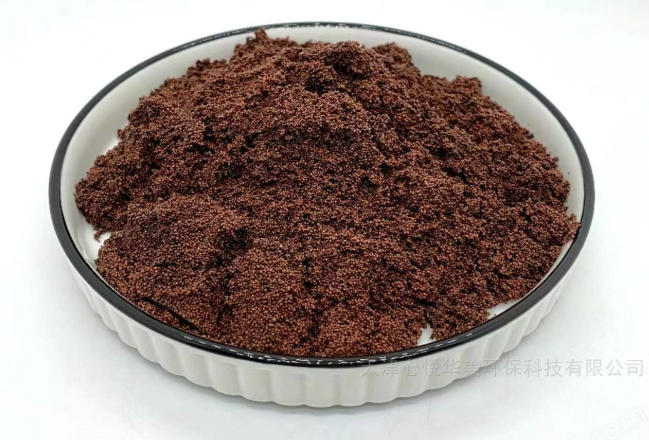
Management and use of waste gas adsorption resin
Date: 2025-12-12Read: 50
The management and use of waste gas adsorption resin need to be systematically managed from multiple aspects, with the following specific points:
1、 Adsorbent selection: precise matching of exhaust gas characteristics
1. Selection based on exhaust gas composition: Choose the resin type according to the polarity and molecular weight of pollutants in the exhaust gas.
2. Pay attention to resin performance parameters: prioritize selecting resins with large specific surface area, high porosity, and strong chemical stability to ensure adsorption capacity and temperature resistance.
3. Adaptive processing scale: Select the resin filling amount based on the exhaust gas flow rate and concentration. High concentration exhaust gas requires an increase in resin filling height, while low concentration exhaust gas can reduce the filling amount to lower costs.
2、 Operation process of waste gas adsorption resin: staged control of key parameters
1. Preprocessing stage:
Dust removal: Remove particulate matter from exhaust gas through a filter or cyclone separator to prevent clogging of resin pores.
Dehumidification: If the humidity of the exhaust gas is too high, it is necessary to reduce the humidity through condensation or desiccant to prevent the resin from reducing its adsorption efficiency due to water absorption.
2. Adsorption stage:
Dynamic adsorption: Pass the exhaust gas through the resin bed at a flow rate of 10-20BV/h (bed volume/hour) to ensure sufficient contact.
Concentration monitoring: Real time monitoring of exhaust gas outlet concentration. When the preset upper limit is reached, immediately switch to the backup adsorption bed or start the desorption program.
3. Desorption stage:
Thermal desorption: Introduce hot air or steam at 100-150 ℃ to evaporate the adsorbed organic matter.
Reduced pressure desorption: By vacuuming, the system pressure is reduced to promote the desorption of organic matter, which is suitable for high boiling point substances.
4. Regeneration stage:
Chemical regeneration: Backwash the resin with 4% -5% hydrochloric acid or 10% sodium chloride solution to restore its adsorption performance. Each liter of resin requires the consumption of 120-160 grams of pure acid or salt.
Rinse: Rinse the resin with pure or soft water at a flow rate of 4-10BV/h for 30 minutes to remove residual regenerant.
3、 Regeneration treatment of waste gas adsorption resin: recycling to reduce costs
1. Regeneration frequency: Determine the regeneration cycle based on the adsorption saturation.
2. Regeneration efficiency evaluation: Determine the regeneration effect by comparing the adsorption capacity of the resin before and after regeneration. If the capacity decreases by more than 20% after regeneration, the resin needs to be replaced.
3. Resource recovery: Condense and recover the desorbed organic matter to achieve resource utilization.