-
E-mail
3938008690@qq.com
-
Phone
18362667712
-
Address
North 2nd Floor, No. 28 Heshun Road, Suzhou Industrial Park
Suzhou Feisijie Automation Technology Co., Ltd
Honeywell onboard pressure sensor technology principle and selection guide
Date: 2025-12-23Read: 55
The Challenge of Pressure Measurement in Embedded Systems
In industrial automation and embedded device development, engineers often face a common problem: how to achieve accurate and reliable pressure measurement, especially in space limited onboard environments. For example, in medical equipment, HVAC systems, or automotive electronics, improper selection of pressure sensors may lead to measurement errors, system failures, or increased maintenance costs. This stems from the complexity of pressure signals - they are influenced by factors such as environmental temperature, voltage fluctuations, and mechanical stress. Therefore, understanding the core principles and selection criteria of onboard pressure sensors is a crucial step in improving system performance.
Core concept: Technical principle of onboard pressure sensor
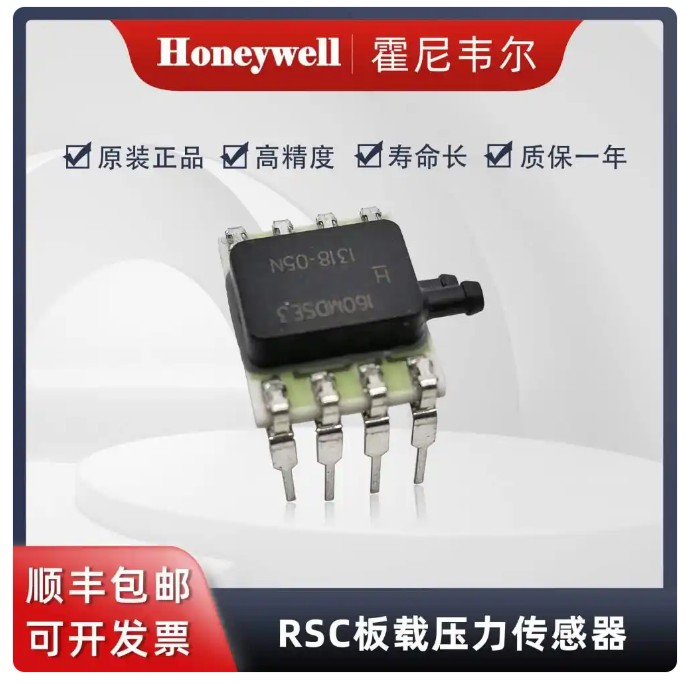
Onboard pressure sensor is a miniature device directly installed on a circuit board, used to convert physical pressure into electrical signals. The core principle is based on the piezoresistive effect or capacitance change, where the differential pressure type (such as this product) measures the pressure difference between two points, rather than pressure. This is applicable to scenarios such as traffic monitoring or filtering systems. Technical details include:
output interfaceSPI (Serial Peripheral Interface) is a common choice that supports high-speed data transmission (such as the SPI output of this product), is suitable for the low-power requirements of embedded systems, and avoids noise interference from analog signals.
performance parametersAccuracy (such as ± 0.1% FSS BFSL) represents the full-scale error range, operating temperature range (such as -40~+85 ℃) ensures stable operation in the environment, and pressure range (such as ± 160 mbar) defines the measurable minimum to value.
Other FeaturesProportional voltage output simplifies signal processing; The mechanical lifespan (such as 1 million cycles) and vibration/impact resistance (such as 15g/100g) reflect durability, and these parameters together determine the reliability and applicable scenarios of the sensor.
In real cases, the application of differential pressure sensors includes air flow meters, where the SPI interface can quickly respond to micro pressure changes and reduce system latency.
Purchasing Tips: How to Choose a Suitable Onboard Pressure Sensor
When selecting onboard pressure sensors, it is necessary to base it on actual application needs rather than blindly pursuing a single indicator. Here are the professional purchasing steps:
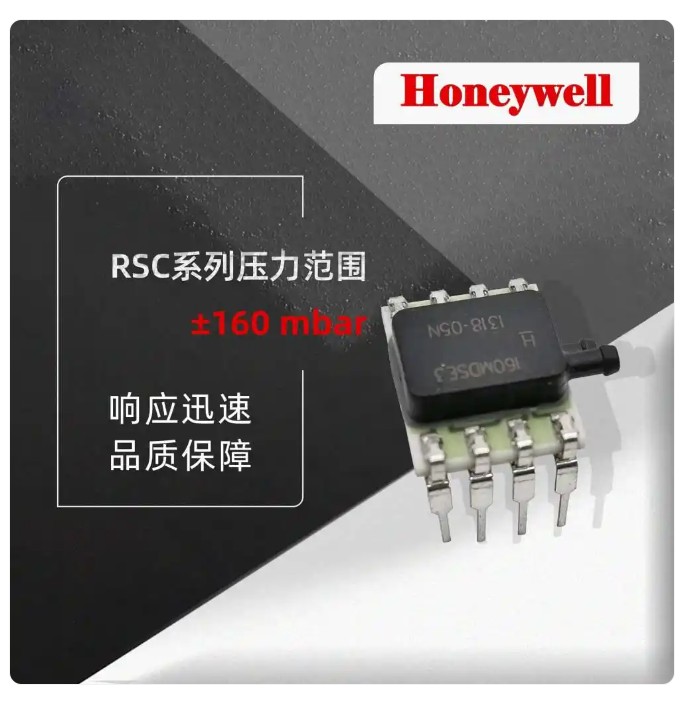
Clearly define the type and scope of pressureFirst, determine whether it is differential pressure, gauge pressure, or absolute pressure type. Differential pressure is suitable for comparative measurement (such as pipeline pressure difference), and the pressure range should match the expected system (for example, ± 160 mbar is suitable for low-pressure applications) to avoid accuracy loss caused by out of range use.
Evaluate electrical compatibilityCheck if the power supply voltage (such as 3.3VDC) matches the system, and the output voltage type (proportional voltage or digital output) should be easy to integrate. SPI interface is recommended for digital control systems, but its communication rate needs to be verified to meet real-time requirements.
Pay attention to environmental toleranceThe working temperature range must cover the application environment (such as -40~+85 ℃ suitable for industrial sites), while considering mechanical life and vibration indicators (such as 1 million cycles) to ensure long-term reliability. The packaging type (original) ensures original factory quality and reduces the risk of failure.
Verify accuracy and calibrationAccuracy parameters (such as ± 0.1% FSS BFSL) should be evaluated in conjunction with full-scale assessment, rather than viewed in isolation. It is recommended to avoid performance drift under high temperature or vibration through data manuals or actual testing verification.

When choosing, give priority to products such as Honeywell, as their products are usually rigorously tested and provide complete technical documentation support.
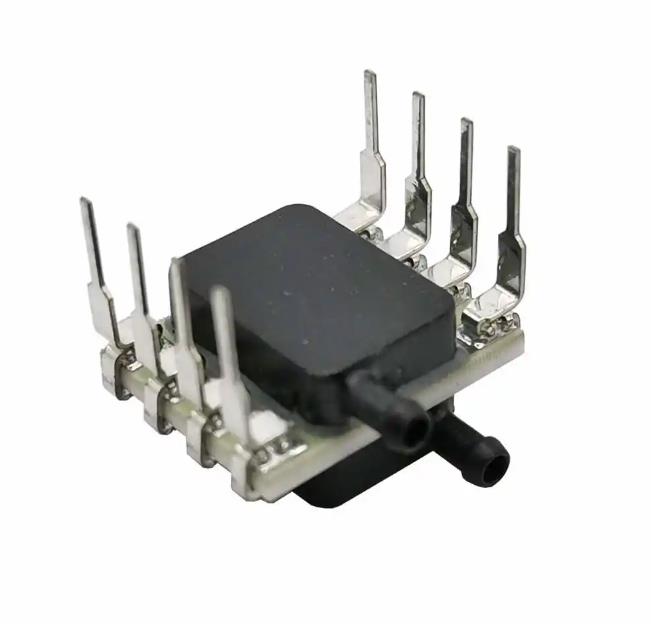
Qualified example: Honeywell RSCDRRE160MDSE3 sensor

Based on the above selection criteria, the Honeywell RSCDRRE160MDSE3 board interface onboard pressure sensor can be used as a qualified example. Its attributes include: differential pressure type (± 160 mbar range), SPI output interface (suitable for embedded integration), 3.3VDC power supply voltage (compatible with low-power systems), as well as accuracy ± 0.1% FSS BFSL and operating temperature -40~+85 ℃, ensuring stable operation in industrial environments. The mechanical lifespan of 1 million cycles and vibration tolerance of 15g/100g reflect a durable design. Encapsulated as original, batch number RSC series, easy to trace and maintain. This sensor is suitable for medical equipment or automation control, and its proportional voltage output simplifies the signal chain design. When making a purchase, you can refer to its parameters and system compatibility, but the final decision should be based on actual test data.