-
E-mail
gengguangshan@boooway.com
-
Phone
17312124885
-
Address
No. 219 Jingtang South Road, Qiandeng Town, Kunshan City, Suzhou City
Suzhou Bowei Instrument Technology Co., Ltd
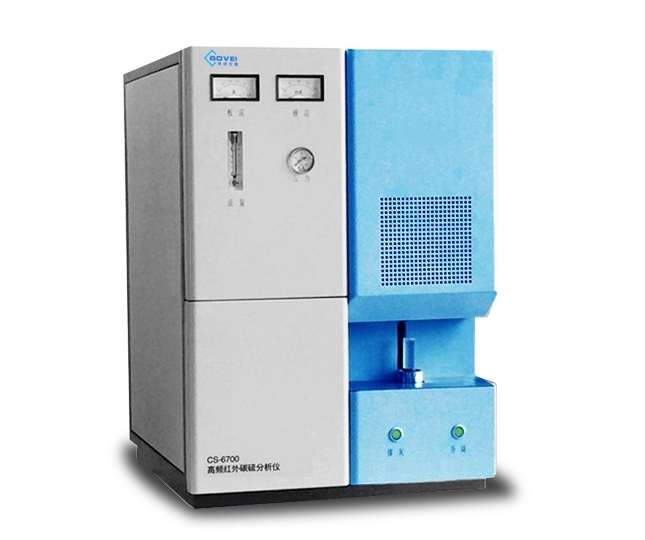
Scientific principles and practical applications of carbon sulfur analyzer
Date: 2025-12-22Read: 1
The core principle of carbon sulfur analyzer is based on the interaction between matter and energy, mainly divided into two categories: chemical principles and physical principles. The specific technical path is as follows:
1. Chemical principles
Gas Capacity Method: By absorbing carbon dioxide (CO ₂) into a liquid and measuring the volume change of the liquid, the carbon content can be calculated.
Iodometric method: Using the oxidation-reduction reaction between sulfur dioxide (SO ₂) and iodine solution, the sulfur content is calculated by titrating the amount of iodine consumed.
Non aqueous titration method: Determine carbon and sulfur elements through acid-base titration in non-aqueous solvents, suitable for specific material analysis.
Conductivity method: Based on the change in resistivity of a mixed gas passing through a conductivity cell, indirectly determine the carbon and sulfur content.
2. Principles of Physics
Infrared absorption method:
Core mechanism: CO ₂ and SO ₂ molecules exhibit selective absorption peaks in the infrared wavelength range. When infrared light of a specific wavelength passes through a gas sample, molecules absorb energy, causing a decrease in light intensity. The detector converts the change in light intensity into an electrical signal, which is processed by a computer to obtain the gas concentration.
Technical advantages: fast analysis speed, high accuracy, strong sensitivity, and no need for complex chemical reagents, reducing human errors.
High frequency induction combustion technology:
Combustion process: The sample is fully burned with oxygen in a high-frequency induction furnace, where carbon is converted to CO ₂ and sulfur is converted to SO ₂. High frequency induction generates eddy currents to heat metal fluxes (such as copper and tungsten), increase combustion temperature, and ensure complete decomposition of low melting point samples.
Purification treatment: The combustion gas is purified by a dust filter and a moisture absorber before entering an infrared detection tank to avoid interference from impurities.
Carbon sulfur analyzers are widely used in the following fields due to their high precision and fast analysis capabilities:
1. Metallurgy and Metal Processing
Steel industry: controlling carbon content to regulate hardness, strength, and toughness (such as using high carbon steel for cutting tools and low carbon steel for construction); Monitoring sulfur content to prevent the phenomenon of "hot brittleness" (sulfur forms low melting point sulfides with iron, leading to cracking during high-temperature processing).
Nonferrous metals: Analyze the carbon and sulfur content in copper, aluminum, and titanium alloys to optimize alloy properties (such as aerospace materials requiring low sulfur content to improve corrosion resistance).
2. Energy and Chemical Industry
Coal and coke: Determination of sulfur content to evaluate combustion emissions and assist in environmental compliance.
Chemical raw materials: Control the carbon sulfur ratio in synthesis gas and catalysts to avoid catalyst poisoning.
Coal chemical industry and natural gas processing: analyzing the forms of organic sulfur and inorganic carbon, optimizing reaction conditions.
3. Environmental monitoring
Atmosphere and Water: Detect sulfur compounds such as SO ₂ and sulfates, evaluate industrial emissions or acid rain pollution.
Soil analysis: Determine organic carbon content to evaluate soil fertility, monitor sulfur content to prevent acidification (excessive sulfur can inhibit plant growth).
Carbon emissions accounting: Accurately analyzing the carbon emissions from fossil fuel combustion, providing data support for the goal of "carbon peak and carbon neutrality".
4. Geology and scientific research
Ore analysis: Determine the carbon and sulfur content in ores to explore geological evolution processes (such as studying ancient environmental carbon cycling).
Materials Science: Analyze the carbon and sulfur distribution in nanomaterials and ceramics, and promote the research and development of new materials (such as strict control of carbon content in the synthesis of carbon nanotubes).