-
E-mail
15208203028@163.com
-
Phone
15208203028
-
Address
Carl Center, No. 388, Section 3, Chenglong Avenue, Longquanyi District, Chengdu City
Sichuan Zhiyan Technology Co., Ltd
Structural Analysis and Thermal Energy Transfer Principle of Tube Heating Furnace
Date: 2025-10-28Read: 0
As the core equipment in the fields of chemical engineering, oil refining, and material processing,The tube heating furnace achieves precise temperature control of the fluid medium through an efficient heat transfer system, and its structural design directly determines the thermal efficiency and process stability.This article analyzes from two aspects: structural composition and heat transfer mechanism.
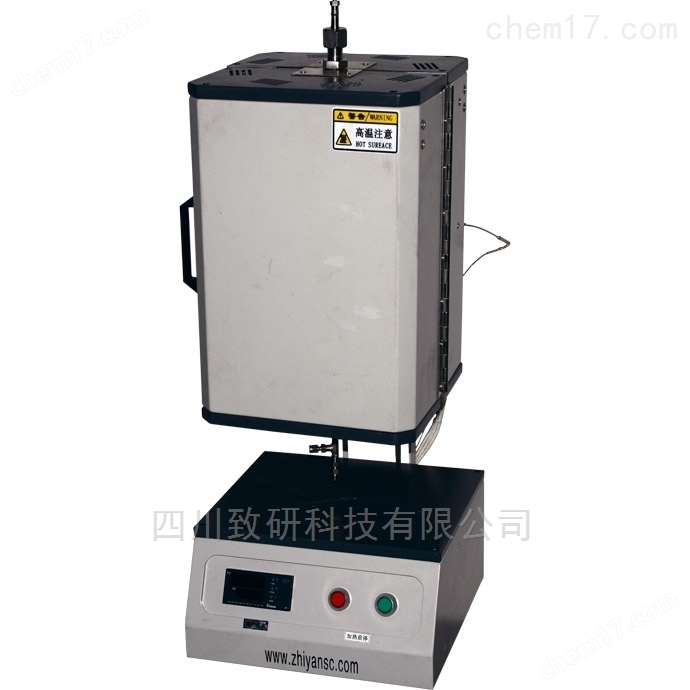
1、 Modular structure design: five core systems work together
The tube heating furnace consists of a radiation chamber, a convection chamber, a burner, a waste heat recovery system, and a ventilation system to form a closed-loop thermal energy circulation system. As the main heat source area, the radiation chamber adopts a dome structure built with refractory bricks, with U-shaped or spiral furnace tubes arranged inside, directly bearing 600-1600 ℃ flame radiation and 70% -80% heat load. The convection chamber is located above the radiation chamber and enhances the convective heat transfer efficiency between the flue gas and the medium through finned tubes, with a heat load ratio of 20% -30%.
The burner adopts staged air supply technology, and the fuel gas is atomized by the nozzle and forms a stable flame with premixed air in the combustion chamber, with a combustion efficiency of over 98%. The innovative integration of non condensing and condensing air preheaters in the waste heat recovery system reduces the exhaust gas temperature to below 100 ℃ through cascade heat exchange, achieving latent heat recovery of acidic water vapor with a comprehensive thermal efficiency exceeding 92%. The ventilation system is equipped with a variable frequency induced draft fan, which automatically adjusts the air volume according to the negative pressure of the furnace to ensure complete combustion.
2、 Three dimensional heat transfer mechanism: radiation convection conduction coupling
Thermal energy transfer goes through three stages of coupling: the fuel completes the conversion of chemical energy into thermal energy inside the burner, and the high-temperature flue gas enters the radiation chamber and penetrates the outer wall of the furnace tube with infrared radiation with a wavelength of 0.8-4 μ m, transferring heat to the medium inside the tube through thermal conduction. The remaining flue gas enters the convection chamber and forms forced convection with the finned tube, with a heat transfer coefficient of 30-50W/(m ² · K).
3、 Intelligent Control System: Real time Monitoring and Adaptive Adjustment
Modern tube heating furnaces integrate DCS control systems, which collect furnace temperature and flue gas oxygen content in real time through thermocouples and zirconia oxygen analyzers. When the temperature of the radiation chamber deviates from the set value by ± 20 ℃, the system automatically adjusts the fuel valve opening and throttle angle to maintain the optimal air-fuel ratio.
From structural optimization to heat transfer enhancement, and then to intelligent control, the technological evolution of tubular heating furnaces has always revolved around improving thermal efficiency and operational stability. With the deep integration of condensing waste heat recovery and digital twin technology, this equipment is moving towards ultra-low emissions and zero problem operation, providing key technical support for industrial energy conservation and consumption reduction.