-
E-mail
shiruining918@163.com
-
Phone
15830987788
-
Address
Xinshi North Road, Qiaoxi District, Shijiazhuang City
Shijiazhuang Dongya Electronic Technology Co., Ltd
What factors should be considered when selecting a dust bag leak detector?
Date: 2025-12-13Read: 0
Dust bag leak detector is an important equipment used in industrial production to detect bag damage in dust removal systems. Its core function is to monitor real-time changes in dust concentration, quickly locate the location of bag leaks, and ensure the efficient operation and emission standards of dust removal systems.
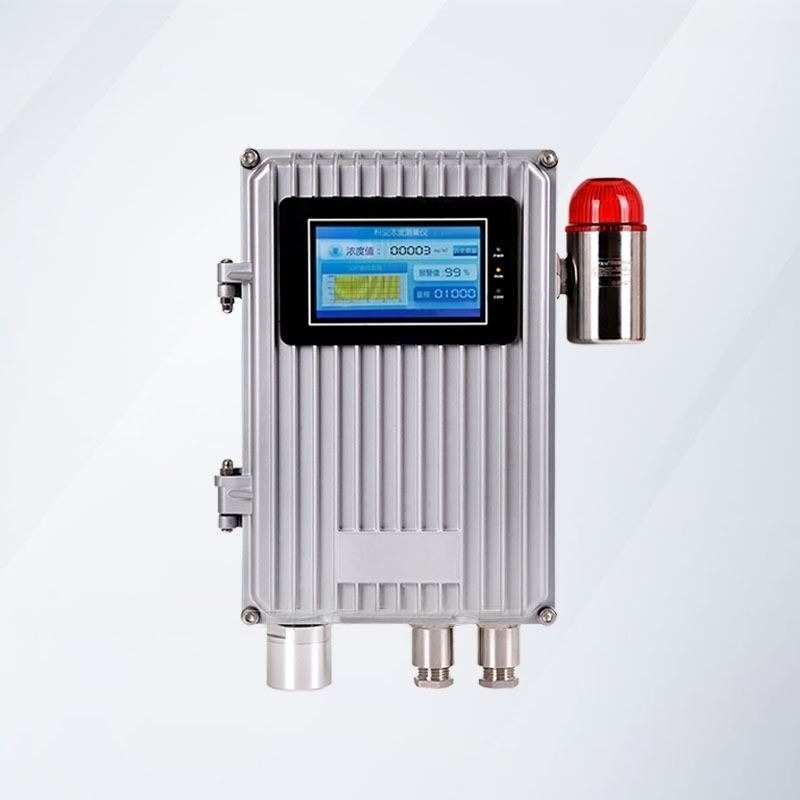
Dust bag leak detectorWorking principle:
1. Principle of electrostatic induction: When the dusty airflow passes through the bag, if the bag is intact, the dust is trapped on the surface, and the dust concentration in the clean air chamber is extremely low; When the bag is damaged, high concentration dust directly enters the clean air chamber, forming a "dust cloud". At this point, the friction between dust particles and sensor electrodes generates a weak electrostatic signal. The leak detector amplifies and analyzes the changes in this signal to determine the location and severity of the leak.
2. Light scattering principle: Using laser or infrared beams to irradiate the airflow in the clean air chamber, when the dust concentration exceeds the standard, the light scatters, and the receiver captures the change in scattered light intensity, indirectly reflecting the leakage situation. This method has high accuracy but high cost, and is suitable for scenarios that require strict accuracy.
Application scenarios and industry requirements:
1. Power industry: Bag filters in coal-fired power plants need to be regularly inspected for bag damage to avoid excessive emissions of particulate matter such as PM2.5, and to prevent high concentration dust from damaging the induced draft fan blades.
2. Iron and Steel Metallurgy: In the dust removal of blast furnace gas and the secondary flue gas treatment system of converter, bag leakage can cause toxic gases such as CO to carry dust, posing a threat to subsequent process safety.
3. Cement building materials: In the dust removal process of kiln tail gas, bag damage will accelerate the sticking of filter bags, increase the frequency of dust cleaning, and lead to an increase in energy consumption.
4. Chemical and pharmaceutical industries: During the collection process of powder materials, leaks not only pollute the environment, but may also cause dust explosions (such as penicillin, coal powder, etc.), requiring high-precision leak detectors for real-time warning.
5. Garbage incineration: The bag filter of the flue gas purification system needs to withstand high temperatures and corrosive gases, and the leak detector can detect damages caused by aging or corrosion in a timely manner.
Key selection points:
1. Adaptability to working conditions: Select the sensor type based on the flue gas temperature (room temperature/high temperature type), humidity (whether heat tracing dehumidification is required), and dust characteristics (particle size, viscosity, conductivity). For example, in high humidity environments, capacitive sensors are preferred to avoid the influence of moisture on electrostatic induction methods.
2. Detection range and accuracy: Conventional industrial scenarios use a range of 0-50mg/m ³, and ultra-low emission projects require the use of light scattering instruments.
3. Installation method: It can be divided into plug-in type (direct contact with airflow, fast response) and pipeline type (non-invasive, suitable for large pipe diameters). The former requires consideration of wear-resistant protective sleeves.
Installation specifications:
1. Install on the vertical pipeline of the clean air chamber, avoiding areas of airflow disturbance such as bends and valves. The sampling point should be at least 3 times the diameter of the upstream interference source.
2. The insertion depth should be located at the center of the pipeline to ensure sufficient contact with the airflow; Heat dissipation devices need to be installed in high-temperature environments to prevent sensors from overheating.
Daily maintenance of dust bag leak detector:
1. Regular calibration: Use a standard dust generator for zero and range calibration every 3-6 months to ensure measurement accuracy.
2. Cleaning and maintenance: Check the dust accumulation of the sensor probe every week and blow it with compressed air (water or organic solvents are prohibited) to avoid blockage.
3. Troubleshooting: If there are frequent false alarms, it may be due to airflow fluctuations or poor grounding. It is necessary to check whether the bag cleaning cycle is reasonable or tighten the sensor wiring.