-
E-mail
switty@sunyitech.com
-
Phone
13003108526
-
Address
54 Xiasha Old Street, Hangtou District, Pudong
Shanghai Shunyi Experimental Equipment Co., Ltd
The experimental ultra-high temperature sterilizer originally had so many advantages that it was worth choosing
Date: 2025-08-17Read: 2
Experimental ultra-high temperature sterilizer is a sterilization equipment used for food and liquid beverages, especially suitable for processing products such as milk, juice, beverages, dairy products, etc. Through ultra-high temperature short-time (HTST) sterilization technology, bacteria, viruses, and other microorganisms can be effectively removed, ensuring the safety of food and extending its shelf life.
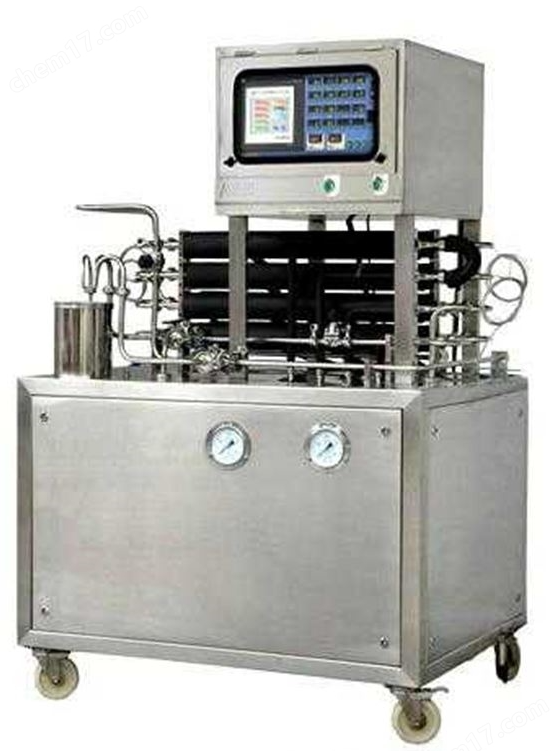
Experimental ultra-high temperature sterilization machineWorking principle:
1. Heating process: After the liquid food is heated to a certain temperature by the preheater, it enters the main heating pipeline of the ultra-high temperature sterilizer. By using high-temperature steam or electric heating devices, the liquid is rapidly heated to between 135 ° C and 150 ° C for a few seconds. This process ensures that most bacteria and viruses in the food are killed.
2. Instant sterilization: The sterilization time is usually 2-10 seconds, and the specific time varies depending on the nature of the product and the sterilization temperature. Through short-term high-temperature treatment, bacteria and other pathogens can be effectively killed, while reducing damage to food taste, color, and nutritional content.
3. Rapid cooling: The heated liquid needs to be quickly cooled after sterilization to prevent quality problems caused by excessive heating. The cooling process usually uses coolers and heat exchangers, which exchange heat with cold water or coolant to quickly reduce the liquid temperature to room temperature or a temperature suitable for packaging.
4. Aseptic packaging: Products that have been sterilized and cooled will be packaged through a sterile system to prevent further contamination by external microorganisms.
Advantage:
1. Efficient sterilization: The instantaneous high-temperature sterilization technology used can kill more than 99% of microorganisms, including bacteria, yeast, mold, viruses, etc., in a very short time, ensuring the safety of the product.
2. Retaining nutrients: Compared with traditional low-temperature and long-term sterilization methods, ultra-high temperature and short-term sterilization can better preserve the nutrients in food, especially beneficial components such as vitamins and minerals for the human body.
3. Longer shelf life: Through effective sterilization treatment, ultra-high temperature sterilization machines can significantly extend the shelf life of products. Many foods and beverages that have undergone ultra-high temperature sterilization can be stored at room temperature for a longer period of time, avoiding the cost of refrigeration.
4. Energy saving and environmental protection: Modern ultra-high temperature sterilization machines adopt efficient heat exchange technology, which can achieve maximum heat recovery and utilization, improve energy efficiency, and reduce energy consumption.
5. Precise control: Through advanced control systems, temperature, time, and pressure can be precisely controlled to ensure consistent sterilization effects for each batch of products and avoid quality fluctuations.
6. Strong flexibility: Generally, it has high flexibility and can adjust the sterilization temperature and time according to different product requirements, adapting to different types of liquid food and beverages.
Application areas of experimental ultra-high temperature sterilizer:
1. Dairy industry: Dairy products, especially milk and formula, require ultra-high temperature sterilization to ensure their sterility. The ultra-high temperature sterilizer can efficiently and quickly sterilize and largely retain the nutritional components in milk.
2. Juice and beverage industry: Liquid products such as juice and beverages have high requirements for taste and nutritional content. Ultra high temperature sterilization can effectively kill microorganisms while maintaining their original taste and nutrition.
3. Food processing industry: In the production process of seasonings, ready to eat foods, jams and other foods, ultra-high temperature sterilizers can ensure that the food has a longer shelf life without adding preservatives.
4. Biopharmaceutical industry: In the production process of some biopharmaceutical products, such as vaccines, blood products, etc., ultra-high temperature sterilization technology is also applied to ensure the safety and effectiveness of the products.
5. Cosmetics industry: Some liquid cosmetics and personal care products also use ultra-high temperature sterilization machines for aseptic treatment to prevent microbial contamination and ensure their safe use.