-
E-mail
Yl@monchtec.com
-
Phone
18917639396
-
Address
Room 803, Building 1, No. 199 Guangfulin East Road, Songjiang District, Shanghai
Shanghai Mingce Electronic Technology Co., Ltd
D&S AE1/RD1 emissivity measuring instrument: key applications in the fields of building science and energy efficiency
Date: 2025-09-17Read: 0
Key applications in the fields of architectural science and energy efficiency
In the field of architecture, precise control of material surface radiation characteristics is one of the core technologies for achieving energy conservation, emission reduction, improving indoor comfort, and meeting green building standards. The D&S AE1/RD1 emissivity measuring instrument, as a portable and compliant measurement tool, plays a key role in connecting design concepts, material properties, and regulatory enforcement in this field.
1. Low-E coating for architectural glass
Low-E glass is one of the iconic technologies of modern energy-efficient buildings, with its core being a layer of micro thin film coating.
Working mechanism: Low-E coating has spectral selectivity, which maintains high transmittance in the visible light band of solar radiation, ensuring indoor lighting; And for long wave infrared radiation (i.e. heat), it has high reflectivity (i.e. low emissivity). In winter, it can reflect indoor heat back into the room, reducing heat loss; In summer, it can block outdoor heat radiation, reduce heat input, and significantly reduce air conditioning and heating energy consumption.
Performance correlation: The thermal performance of glass components is usually measured by the U-value (total heat transfer coefficient), and the lower the U-value, the better the insulation performance. Emissivity is one of the key input parameters for calculating the U value, and the lower the emissivity of the coating, the lower the U value of the glass component.
Energy saving effect: Research data from the US Department of Energy (DOE) and the National Renewable Energy Laboratory (NREL) have quantified the enormous energy-saving potential of Low-E windows. For example, replacing old single-layer glass windows with modern double-layer Low-E windows can reduce heat loss by over 70%. In cold climate regions, installing Low-E energy-saving riot control windows can achieve a total energy savings of 21% to 36%, with a minimum investment payback period of 4.3 years.
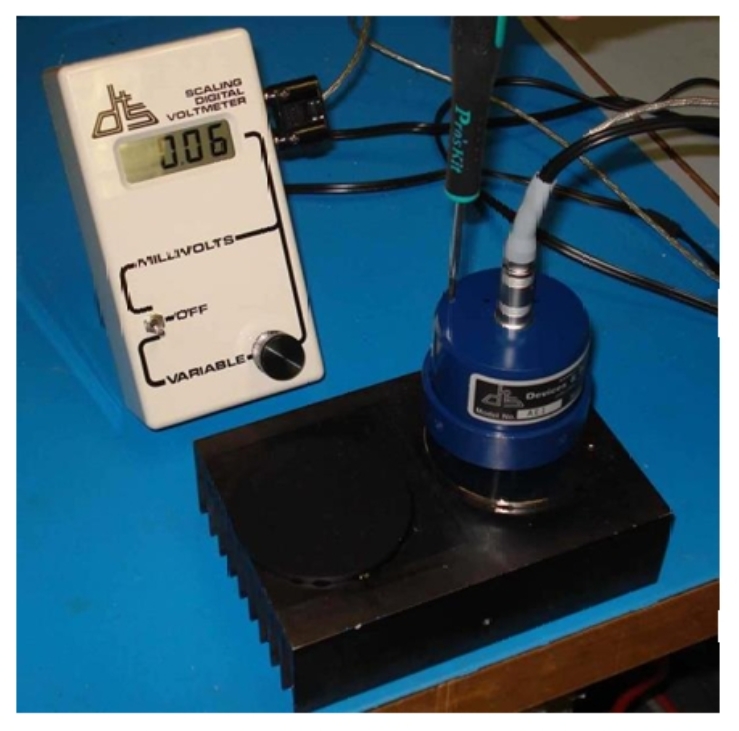
Application of AE1 RD1: In the production process of Low-E glass, AE1 RD1 is a crucial quality control tool used to ensure that the coating emissivity of each batch meets design specifications. At the construction site, it can be used for random inspection of incoming materials, verifying product performance, and avoiding energy consumption exceeding the standard due to the use of unqualified products.

2. Cold roof and cold wall
The technologies of "cold roof" and "cold wall" are effective means to cope with urban heat island effect and reduce building cooling load.
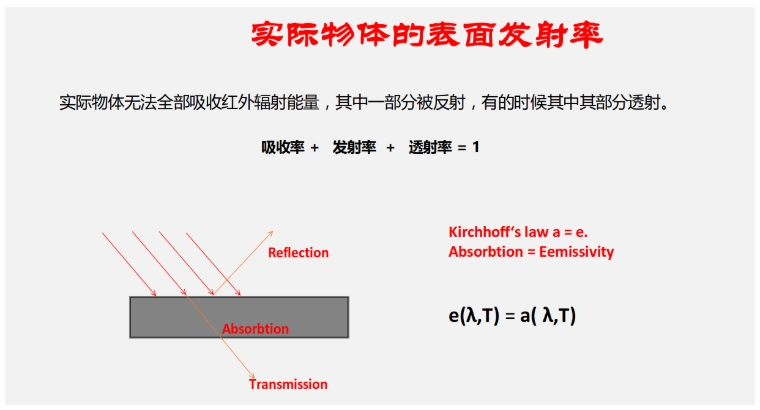
Basic principle: Cold roof materials need to have two characteristics at the same time: high solar reflectivity (reflecting most of the sunlight) and high thermal emissivity (efficiently dissipating the absorbed small amount of heat in the form of thermal radiation). A traditional dark roof can reach temperatures above 65 ° C (150 ° F) in summer sunlight, while a high-performance cold roof can maintain temperatures below 38 ° C (100 ° F), with significant temperature differences.
Regulations and certifications:
Solar Reflectance Index (SRI): In order to comprehensively evaluate the "cold" performance of materials, the industry has introduced SRI as an indicator. It is a single numerical value calculated by combining the parameters of solar reflectance and thermal emissivity through a standard formula, typically ranging from 0 to 100, with higher values indicating cooler temperatures. The thermal emissivity measured by AE1 RD1 is one of the two necessary inputs for calculating SRI.
LEED certification: In the Energy and Environmental Design (LEED) green building evaluation system, "reduction of heat island effect" is an important scoring item. For example, LEED v4.1 version requires that the SRI value of low slope roof (slope) materials after three years of aging be no less than 64, while steep slope roofs (slope) require no less than 32.
California Title 24 Energy Efficiency Standard: As one of the strictest building energy efficiency regulations in the United States, California Title 24 has mandatory requirements for the SRI value of roofing materials. These regulations vary by climate zone, for example, the SRI value of steep slope residential roofs in the 10-15 climate zone must not be lower than 16.
Application of AE1 RD1: This instrument is an important tool for material manufacturers to obtain product certification from the Cold Roofing Rating Committee (CRRC). For architects, contractors, and supervisors, AE1 RD1 provides a reliable means of quickly and accurately verifying whether the materials used comply with regulatory requirements such as LEED or Title 24 at the construction site. This on-site verification capability is the guarantee to ensure that green building policies move from drawings to reality and achieve the expected energy-saving effects. If there are no portable and standard compliant measuring tools like AE1 RD1, these complex energy efficiency regulations will be difficult to effectively supervise and enforce outside the laboratory, seriously affecting their promotion and practical effectiveness.
3. Radiation barrier and insulation material finish
In building envelope structures, in addition to blocking thermal and convective heat transfer through insulation materials, controlling radiative heat transfer is equally important.

Working method: Radiation barriers are usually made of low emissivity materials (such as aluminum foil) and installed in attic or wall cavities. They effectively block the radiation heat flow from the roof downwards in summer or from indoors outwards in winter by reflecting thermal radiation, and are an important component of the overall thermal performance. Many block or felt insulation materials, such as glass wool and rock wool, are also coated with a layer of aluminum foil finish to serve as both a radiation barrier and a moisture barrier.
Application of AE1 RD1: Used for factory quality control of insulation products with foil finishes to ensure their low emissivity performance meets standards. More importantly, it can be used for on-site evaluation of the performance degradation of these materials after long-term use. For example, the accumulation of dust or surface oxidation can lead to an increase in emissivity, thereby reducing the efficiency of the radiation barrier. By regularly using AE1 RD1 for testing, this "aging" effect can be monitored, providing data support for building maintenance and renovation