-
E-mail
1218490881@qq.com
-
Phone
13771789202
-
Address
No. 2225, Huancheng West Road, Nanqiao, Fengxian District, Shanghai
Shanghai Lihai Industrial Co., Ltd
Trace dissolved oxygen in boiler water: precise monitoring of corrosion prevention, safeguarding boiler safety as the "first line of defense"
Date: 2025-10-19Read: 0
In industries such as power, chemical, and textile that rely on boiler operation, the quality management of boiler water directly determines the service life and operational safety of the boiler. Among them, trace dissolved oxygen is a key indicator affecting boiler safety - even if the water contains only 0.05mg/L of dissolved oxygen, it can accelerate the corrosion of boiler tube walls in high temperature and high pressure environments, leading to thinning, leakage, and even explosion accidents. The traditional dissolved oxygen detection method has problems such as slow response, low accuracy, and complex operation, which are difficult to meet the real-time monitoring needs of boiler water. Nowadays, professional trace dissolved oxygen monitoring equipment and technology have become the guardians of boiler safety operation, laying a solid safety defense line for industrial production.
The core value of trace dissolved oxygen monitoring lies in accurately capturing low concentration oxygen content and avoiding corrosion risks in advance. Boiler water requires low dissolved oxygen content, which requires monitoring equipment with ultra-high sensitivity and stability. At present, the mainstream trace dissolved oxygen analyzers use polarographic or fluorescence techniques: polarographic method converts oxygen concentration through the current signal generated by electrode reaction, with a detection limit of up to 0.001mg/L and an accuracy of ± 0.002mg/L, suitable for medium and low pressure boilers; The fluorescence law utilizes the principle of fluorescence quenching, eliminating the need for direct contact between electrodes and water bodies, avoiding errors caused by electrode contamination. The response time is less than 30 seconds, and it can still work stably in high temperature and high pressure environments, making it an ideal choice for high-pressure boilers.
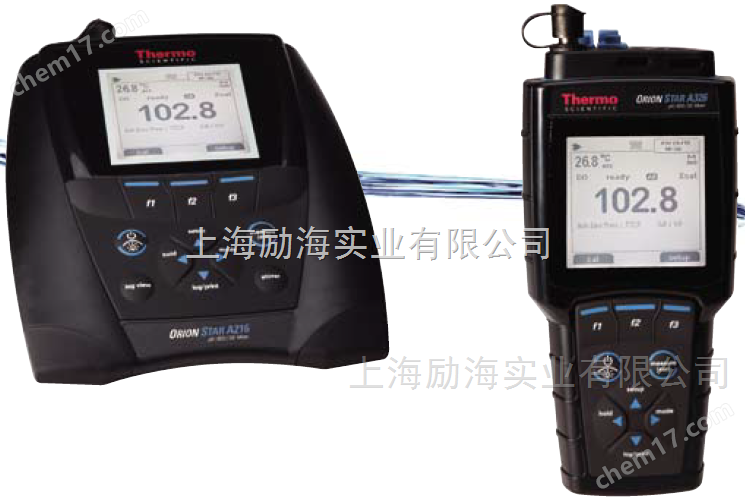
Secondly, real-time monitoring and intelligent warning are used to achieve dynamic management of water quality. A high-quality trace dissolved oxygen monitoring system can not only accurately detect, but also be linked with the boiler feedwater treatment system to achieve closed-loop management of "monitoring feedback regulation". The equipment is equipped with an industrial grade communication module that can transmit real-time data to the central control platform. It supports real-time display of dissolved oxygen concentration curves, storage of historical data, and abnormal alarm functions. When the dissolved oxygen exceeds the set threshold, the system automatically triggers an audible and visual alarm and pushes warning information to the management personnel's mobile phones. At the same time, it is linked to the deaerator to adjust operating parameters and quickly reduce dissolved oxygen to a safe range.
In terms of practicality and adaptability, the detailed design of trace dissolved oxygen monitoring equipment is tailored to industrial scenarios. In response to the high temperature and high pressure characteristics of boiler water, the equipment sampling pipeline is made of 316L stainless steel material, which can withstand temperatures up to 150 ℃ and pressures ≤ 6MPa to avoid pipeline corrosion or leakage; Some models are equipped with automatic cleaning function, which regularly flushes the sensors with desalinated water to prevent scale and impurities from adhering and affecting detection accuracy, reducing manual maintenance frequency; In addition, the equipment supports simultaneous monitoring at multiple locations and is suitable for multiple monitoring points such as feedwater, economizer, and steam drum in large boiler systems, achieving full process water quality monitoring.
The monitoring of trace dissolved oxygen in boiler water may seem like a control of "small indicators", but it is actually a major issue for industrial safety operation. Choosing a professional trace dissolved oxygen monitoring scheme is not only a choice to prevent boiler corrosion and extend equipment life, but also a key step to ensure continuous and stable industrial production, reduce the risk of safety accidents, and build a "first line of defense" for enterprise safety production.