-
E-mail
shjuyigs@163.com
-
Phone
15021203562
-
Address
Tingfeng Road, Zhujing Town, Jinshan District, Shanghai
Shanghai Juyi Environmental Testing Equipment Co., Ltd
Common problems and corresponding solutions of high and low temperature alternating humidity test chamber
Date: 2025-10-16Read: 0
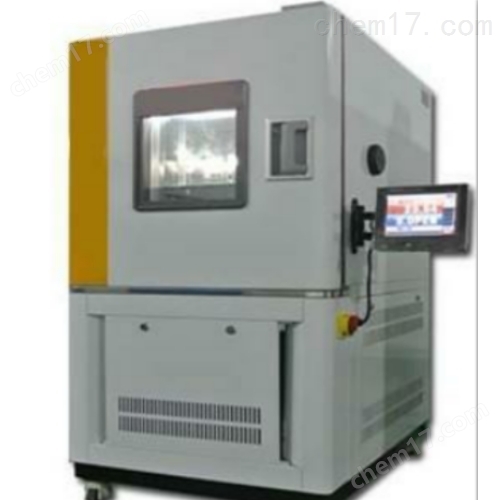
The high and low temperature alternating humidity test chamber is a core equipment for simulating complex climate environments, evaluating the reliability of electronic products, automotive components, aerospace materials, etc. under temperature cycling and high humidity conditions. It can achieve rapid temperature rise and fall within a wide temperature range of -70 ℃ to+150 ℃, and accurately control humidity (20%~98% RH). In frequent cycles of hot and cold alternation and moisture circulation, the high and low temperature alternating humidity and heat test chamber is prone to problems such as frosting, uncontrolled humidity, and uneven temperature. Mastering the solution is the key to ensuring the authenticity, efficiency, and safety of the experiment.
Problem 1: Severe frosting or icing inside the low-temperature section box
Cause analysis: prolonged door opening time, aging door seal, inadequate defrosting, or excessive moisture ingress.
Solution: Shorten the opening time and close immediately after operation; Check whether the door seal is deformed or cracked, and replace it in a timely manner; Ensure the defrosting program of the refrigeration system runs normally; Dry the sample as much as possible before entering the box to reduce moisture sources.
Problem 2: The humidity cannot reach the set value or fluctuates too much
Cause analysis: humidifier blockage, water level sensor malfunction, dry wet bulb gauze contamination, or poor water supply quality.
Solution: Clean the scale inside the humidification tank and check if the heating tube is functioning properly; Clean or replace the water level probe; Regularly replace the gauze of the dry wet bulb thermometer (recommended once a week) and keep it moist; Use deionized water or purified water to avoid scaling of tap water.
Question 3: Uneven temperature distribution or obvious gradient
Cause analysis: The sample is placed too tightly, the air duct is blocked, the circulating fan is abnormal, or the sensor is offset.
Solution: Ensure that there is sufficient gap (≥ 5cm) between the samples, and do not block the air outlet and return air outlet; Regularly clean the air duct and filter screen; Check if the fan is running smoothly; Calibrate multiple temperature sensors to ensure measurement consistency.
Problem 4: Slow heating and cooling rate or inability to reach the set value
Cause analysis: Excessive load, refrigerant leakage, compressor failure, or high ambient temperature.
Solution: Reduce the number or volume of samples to avoid overloading; Check the pressure of the refrigeration system and promptly add fluorine if any leaks are found; Confirm that the working current and sound of the compressor are normal; Ensure sufficient heat dissipation space around the test chamber and an ambient temperature of ≤ 30 ℃.
Question 5: Sudden shutdown or alarm during the experimental process
Cause analysis: Over temperature protection triggered, compressor overload, water tank shortage or power fluctuation.
Solution: Check if the set temperature exceeds the device limit; View alarm codes and conduct targeted troubleshooting; Supplement water for humidification water tank; Use a regulated power supply to avoid voltage drops.