-
E-mail
shboonsci@126.com
-
Phone
13816245807
-
Address
3rd Floor, Building 6, No. 537 Songda Road, Qingpu District, Shanghai
Shanghai Bono Biotechnology Co., Ltd
Solution for Vacuum Freeze Drying Technology of Biological Products
Date: 2025-10-30Read: 1
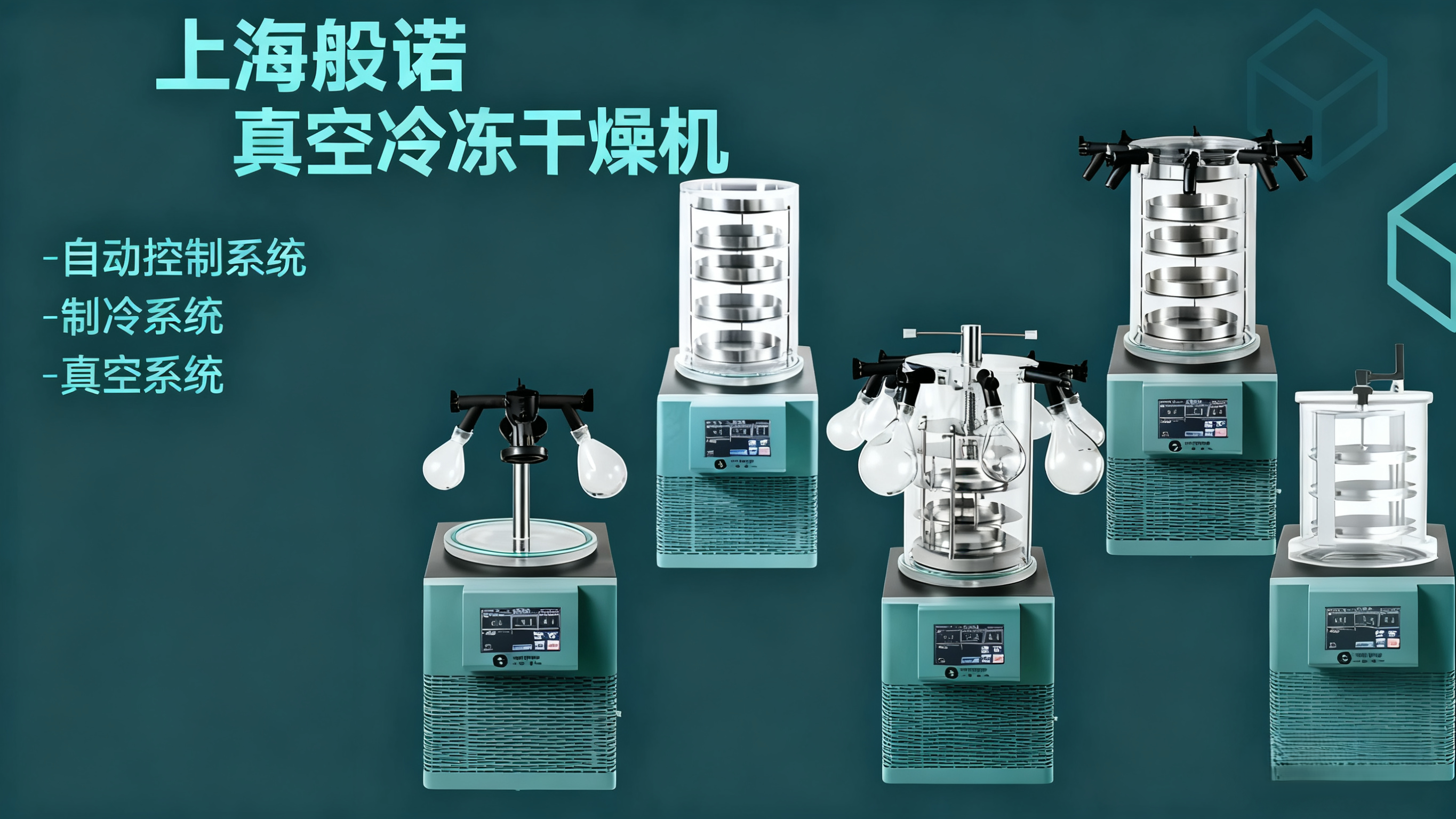 Technical Overview and Value
Vacuum freeze-drying technology plays an irreplaceable role in the field of biological products, providing the mildest dehydration and preservation method for thermosensitive bioactive substances. This technology achieves complete protection of the structure and function of biological products through two key steps: low-temperature freezing and vacuum sublimation.
Core technological value
Biological activity retentionLow temperature operation throughout the process effectively protects the three-dimensional structure and biological activity of biological products such as proteins, enzymes, vaccines, etc
Stable physical structureThe porous structure formed by the sublimation of ice crystals ensures that the volume of the product remains unchanged and the rehydration is rapid
Long term stable storageReducing the moisture content to below 2% greatly extends the shelf life of biological products
Transportation convenienceFreeze dried products can be transported at room temperature, reducing cold chain costs
Detailed explanation of technical process
Material pre-processing stage
Biological products require strict pretreatment before freeze-drying:
formula optimizationAdd protective agents (such as sucrose, trehalose, dextran) to reduce freezing damage
split controlThe filling thickness is usually controlled between 10-15mm to ensure uniform freeze-drying
Container selectionUse specialized containers such as penicillin bottles and ampoules to ensure sealing and stability
Pre freezing process parameters
Material Type |
pre-freezing temperature |
holding time |
降温速率 |
Protein preparations |
-45℃~-35℃ |
2-3 hours |
1 ℃/min |
Vaccine products |
-50℃~-40℃ |
3-4 hours |
1.5 ℃/min |
enzyme preparation |
-40℃~-30℃ |
1 to 2 hours |
0.5 ℃/min |
Sublimation drying stage
Under the condition of maintaining a vacuum degree of 10-30Pa, ice crystals are sublimated by controlling the plate temperature:
Main drying periodThe temperature of the board layer slowly increases from -35 ℃ to -10 ℃, lasting for 15-20 hours
Analyze the drying periodThe temperature of the board layer gradually rises to 25-30 ℃ and is maintained for 4-8 hours
endpoint determinationDetermine the drying endpoint using the pressure rise test method, with a moisture content of ≤ 2%
Key control points
Strict control of process parameters
Eutectic point controlThe pre freezing temperature must be at least 10 ℃ lower than the eutectic point of the material
Disintegration temperature monitoringThe material temperature should not exceed the disintegration temperature to avoid structural collapse
真空精度The fluctuation range of system vacuum degree is controlled within ± 5Pa
Quality risk prevention and control

Compliance and Security Assurance
Regulatory compliance requirements
Equipment validation: Conduct complete IQ/OQ/PQ validation to ensure process reproducibility
Complete recording: All process parameters are automatically recorded throughout the entire process, and the data integrity complies with the ALCOA principle
Biosafety protection
Closed system: Adopting a fully sealed freeze-drying system to prevent the leakage of bioactive substances
Online sterilization: equipped with SIP (in place sterilization) function, achieving a sterilization effect of 10 ^ -6
Waste gas treatment: The vacuum exhaust system is equipped with sterile filters to ensure biological safety
Process optimization strategy
Optimization based on Quality by Design (QbD)
Identification of Key Quality Attributes (CQAs)
Biological activity retention rate ≥ 95%
Moisture content ≤ 2%
Re hydration time ≤ 3 minutes
Control of Key Process Parameters (CPPs)
Pre freezing rate: Affects ice crystal size and morphology
Sublimation temperatureDetermine drying efficiency and product quality
vacuum control: Affects heat and mass transfer efficiency
Common problem solutions
Product collapseOptimize the pre freezing process to ensure freezing; Adjust the proportion of protective agent
Spray bottle phenomenonControl the rate of ice crystal formation during the pre freezing stage; Optimize product formula
Uneven contentImprove the packaging process; Optimize freeze-drying curve
Application case analysis
Vaccine freeze-drying solution
Process characteristics:
Adopting a stepped cooling pre freezing method to reduce ice crystal damage
Adding trehalose as a protective agent to improve vaccine stability
The analysis of the drying stage adopts a slow heating program to ensure that the moisture meets the standard
Quality indicators:
Virus titer decrease ≤ 0.5 lgCCID50
Control residual moisture at 1.5% -2.5%
37 ℃ Accelerated Stability Test Qualified
Protein drug freeze-drying protocol
Key points of process optimization:
Control ice crystal morphology during pre freezing stage to reduce protein denaturation
Adding surfactants to prevent interface denaturation
Adopting annealing process to improve the appearance of freeze-dried cake
Technological Innovation Trends
Development of Intelligent Control
Application of Process Analysis Technology (PAT): Real time monitoring of moisture content through near-infrared spectroscopy
Artificial Intelligence Optimization: Utilizing Machine Learning Algorithms to Automatically Optimize Freeze Drying Curves
Digital twin technology: Establishing a virtual freeze-drying process model to achieve precise control
Green energy-saving innovation
Thermal energy recovery and utilizationDevelop a heat recovery system to reduce energy consumption by over 30%
New refrigeration technologyAdopting new technologies such as magnetic levitation refrigeration to improve energy efficiency ratio
Vacuum freeze-drying technology provides an ideal dehydration and preservation solution for biological products. Through precise process control, strict quality management, and continuous technological innovation, it is possible to ensure that biological products maintain their biological characteristics and therapeutic value during the freeze-drying process, providing important technical support for the development of the biopharmaceutical industry.